


Olympic Glory Tarnished: 2026 Winter Games Medal Controversy
When Celebration Meets Disappointment
The 2026 Winter Olympics in Milan were supposed to be a moment of pure triumph for the world’s greatest athletes, but an unexpected problem has cast a shadow over some competitors’ most treasured achievements. What should have been an unblemished celebration of athletic excellence turned into an embarrassing situation when several Olympic medals literally fell apart in the hands of the very athletes who had just won them. The organizing committee has confirmed they’re investigating after multiple reports emerged of medals breaking, detaching from ribbons, or simply coming apart during what should have been the happiest moments of these athletes’ careers. It’s a situation that has left Olympians torn between joy at their achievements and concern about the physical integrity of the symbols meant to represent years of sacrifice and dedication.
Athletes Discover the Problem in Real Time
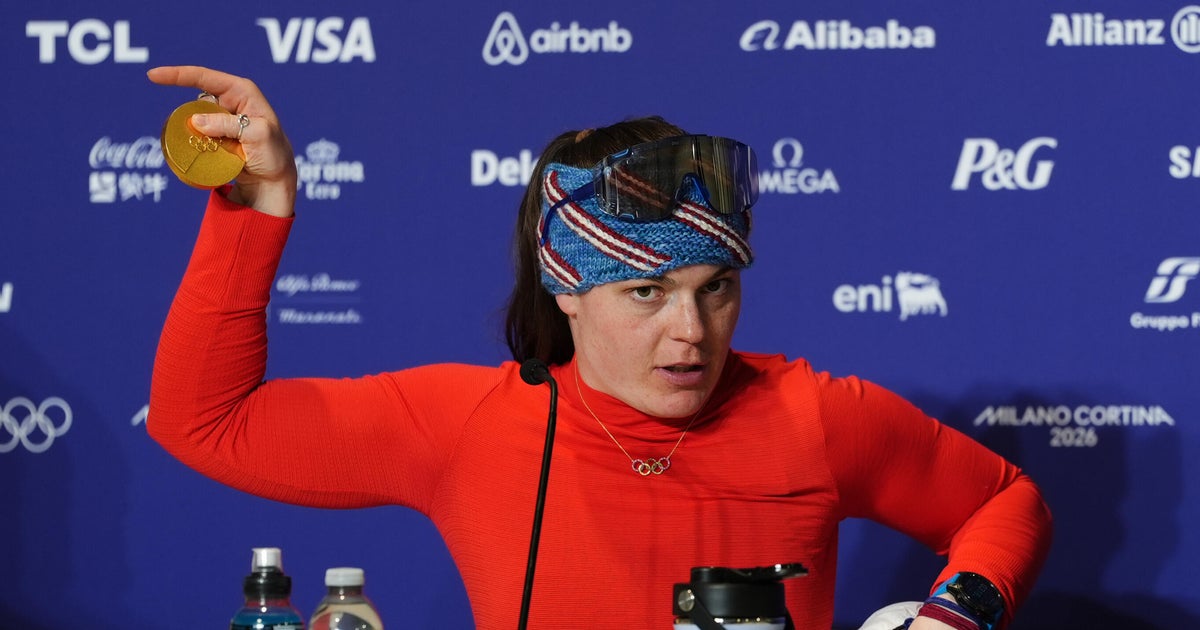
The issue first came to public attention when American downhill skiing champion Breezy Johnson, fresh off her gold medal victory on Sunday, offered some unusual advice to fellow winners: don’t jump while wearing your medal. Johnson discovered the problem firsthand when her natural excitement after winning got the better of her. “I was jumping in excitement and it broke,” she explained to reporters gathered after her race. While she remained optimistic that organizers would repair the damage, noting that it wasn’t “crazy broken,” just “a little broken,” her experience set off alarm bells. The image of Johnson showing her damaged medal to the media became an instant symbol of what was clearly more than an isolated incident. Here was an athlete who had just achieved the pinnacle of her sport, and the physical representation of that achievement couldn’t even withstand a few celebratory jumps.
American figure skater Alysa Liu had a similar experience after winning gold with Team USA Sunday night. She took to social media to share video evidence of her medal having completely detached from its ribbon, captioning it with resigned humor: “My medal don’t need the ribbon.” The casualness of her response belied what must have been a disappointing discovery—that the medal she’d worked her entire life to earn was falling apart almost immediately. Meanwhile, her teammate Danny O’Shea, making his Olympic debut at the Milano-Cortina Games, told CBS News he was being extremely careful with his team gold medal. “We’re just trying not to do too much of the jumping around ourselves,” he said, a statement that reveals how athletes were actively modifying their natural celebration behaviors out of fear their medals might break. Another teammate, Ellie Kam, described her gold medal as “definitely like a heavy weight to carry,” and revealed she was sleeping with it under her pillow for safekeeping—treating it more like a fragile family heirloom than the durable symbol of Olympic achievement it should be.
The Problem Goes International
The medal crisis wasn’t limited to American athletes. German biathlete Justus Strelow experienced perhaps the most publicly awkward moment when his bronze medal detached and clattered to the floor right in front of cameras during his team’s celebration. Video footage captured the unfortunate incident: while his teammates danced in celebration and he was momentarily off-camera, the distinctive sound of his medal hitting the ground could be clearly heard. When the camera panned to Strelow, he was caught attempting to reattach the medal to its ribbon, struggling with it briefly before apparently giving up and rejoining his teammates’ celebration. The moment was simultaneously joyful and frustrating—a bronze medal winner unable to properly wear his medal because it had literally fallen apart during the victory celebration. It’s the kind of Olympic memory no athlete wants, where the equipment fails at the very moment it’s supposed to shine.
Swedish cross-country skier Ebba Andersson faced her own medal mishap when her silver medal didn’t just detach from its ribbon—it actually broke into two separate pieces. According to reports in Swedish media, Andersson’s medal fell into the snow and broke apart completely. “The medal fell in the snow and broke in two,” Andersson was quoted as saying by Reuters. Her response mixed disappointment with practical concern: “Now I hope the organizers have a ‘Plan B’ for broken medals.” It’s a reasonable question that highlights the broader issue facing the organizing committee—they need to not only figure out what went wrong, but also how to make things right for athletes whose once-in-a-lifetime achievements are represented by faulty hardware.
The Organizing Committee Responds
The Milano-Cortina 2026 Winter Olympics Organizing Committee has acknowledged the situation in official statements to CBS News, confirming they are “aware of an issue affecting a small number of medals and is investigating the matter.” While they characterized the problem as affecting only “a small number” of medals, the various public reports from athletes across different countries and different sports suggest the issue may be more widespread than initially indicated. The committee emphasized they are “taking the issue seriously, fully recognizing the significance these medals hold for the athletes.” This acknowledgment is important—these aren’t just pieces of metal and ribbon, they’re physical manifestations of dreams realized, years of training validated, and moments that define athletic careers.
The investigation now underway will need to determine what exactly went wrong. Were the medals manufactured improperly? Was there a design flaw in how the medals attach to the ribbons? Did quality control processes fail to catch defective medals before they were presented to athletes? These are critical questions because Olympic medals are supposed to be made to exacting standards, designed to last lifetimes and become family treasures passed down through generations. The fact that multiple medals are failing almost immediately after being awarded suggests a systemic problem rather than isolated defects. Athletes and fans alike are waiting to hear what the organizing committee’s investigation reveals and, more importantly, what they plan to do about it.
The Deeper Meaning of Olympic Medals
This situation highlights something that might not be immediately obvious to casual observers: Olympic medals mean everything to the athletes who win them. These aren’t just awards handed out at the end of competitions—they represent the culmination of incredible sacrifice, years of training through injuries and setbacks, time away from families, financial hardships, and single-minded dedication to being the absolute best in the world at something incredibly difficult. When an athlete stands on that Olympic podium and has a medal placed around their neck, it’s one of the most meaningful moments of their entire life. To have that medal literally break apart during the celebration diminishes that moment in a way that’s hard to quantify.
The irony isn’t lost on anyone that these athletes have proven themselves capable of extraordinary physical feats—skiing down mountains at tremendous speeds, performing impossible jumps and spins on ice, pushing their bodies to absolute limits—yet the medals meant to honor these achievements can’t withstand a few jumps of celebration or even an accidental drop in the snow. The organizing committee now faces the challenge of not just replacing broken medals, but somehow restoring the sense of permanence and significance these symbols should carry. As Ebba Andersson’s question about a “Plan B” suggests, athletes are looking for solutions, hoping that this embarrassing situation can somehow be remedied so their Olympic victories are properly honored with medals that will actually last.