


TSA Workers Face Financial Crisis During Extended Government Shutdown
The Human Cost of Political Gridlock
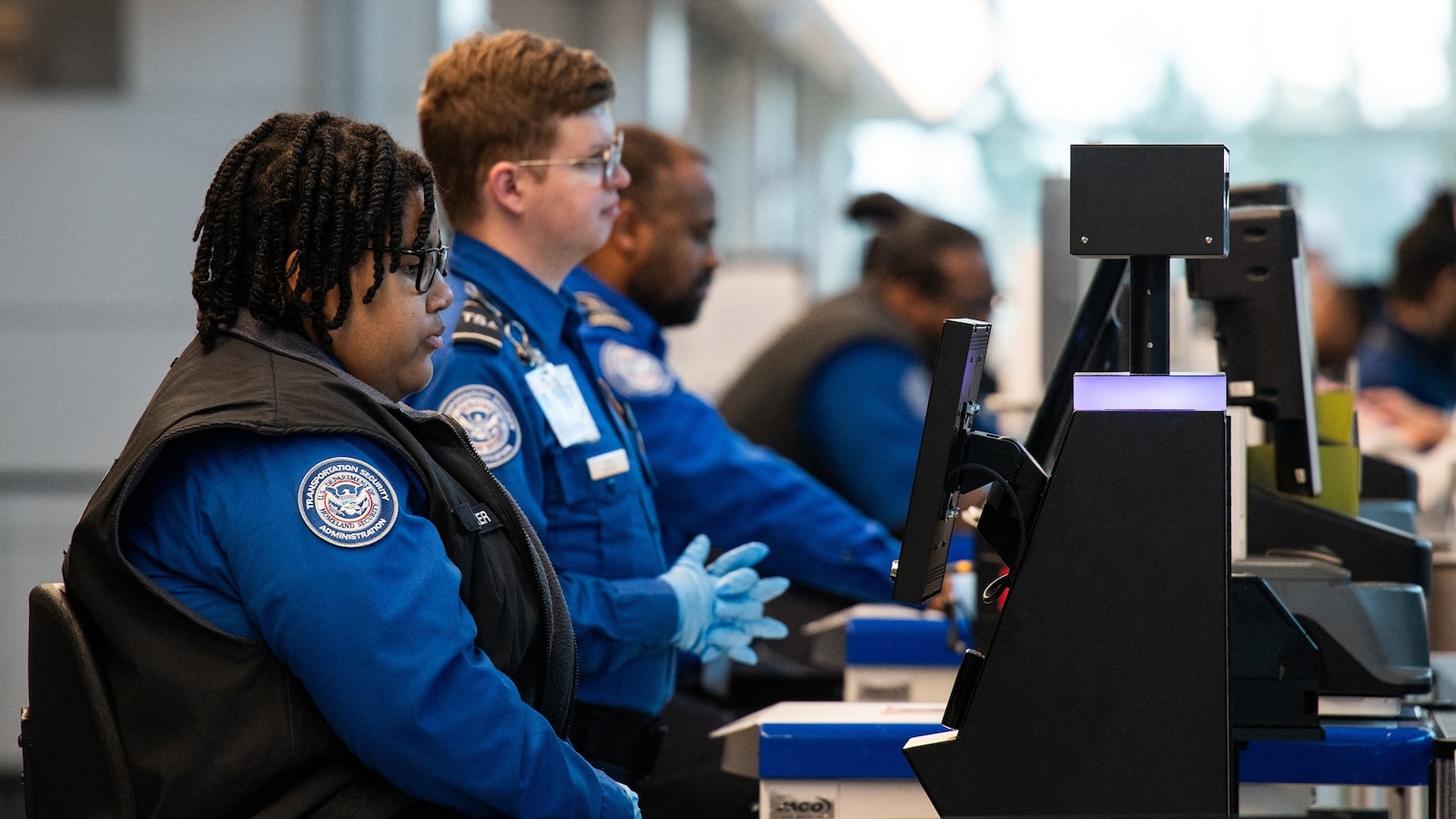
The Department of Homeland Security shutdown has stretched into its second month, leaving approximately 60,000 Transportation Security Administration officers in an increasingly desperate situation. These essential workers, who show up daily to keep America’s airports safe, received their first $0 paychecks last week after going more than a month with only partial pay. This marks the second significant shutdown in just five months, following last fall’s 43-day federal government closure. For many TSA employees, this isn’t just an inconvenience—it’s a crisis that’s forcing impossible choices between keeping their jobs and keeping their families afloat. The psychological toll is mounting as workers grapple with mounting bills, depleted savings, and the humiliation of not being able to provide for their families despite working full-time in public service.
Living Paycheck to Paycheck While Protecting the Nation
Angela Grana, a TSA officer at Durango-La Plata County Airport in Colorado and regional vice president for AFGE TSA Local 1127, describes the situation as demoralizing for her colleagues. The reality these workers face is stark and sobering. Many want to take on side jobs like driving for Uber Eats to make ends meet, but they need special permission to do so—permission that isn’t always granted. Meanwhile, several airports across the country have set up food pantries for their employees, a testament to just how dire the situation has become. Grana emphasizes the impossible position these officers find themselves in: “Let me tell you, for us to be concentrating on our jobs without the hunger pains in our stomachs, it’s really difficult to do. We can’t get it wrong. We have to get it right every time. We cannot miss a bag, we cannot miss a threat.” These words highlight the cruel irony of asking people worried about feeding their own families to maintain perfect vigilance in protecting millions of travelers.
Families Suffering While Congress Remains Deadlocked
The shutdown stems from a political standoff between Senate Democrats and Republicans over DHS funding. Democrats have blocked funding until reforms are made to Immigration and Customs Enforcement following controversial incidents in Minneapolis. House Minority Leader Hakeem Jeffries has called on Democrats to join a discharge petition that would fund all DHS agencies except ICE, but he needs at least four Republicans to sign on—a challenge that seems increasingly difficult as the shutdown drags on. While politicians debate in Washington, real families are suffering. Jill DeJanovich, a single mother of four working at Harry Reid International Airport in Las Vegas, was among nearly 2,700 TSA workers who called out sick this week, unable to manage the crushing demands placed upon them. As the AFGE Local 1260 Chief Administrative Point of contact in Nevada, DeJanovich expresses frustration that’s shared by thousands: “Someone needs to cross the line before Congress goes on break for Easter recess.” The urgency in her voice reflects the desperation of workers watching their financial situations deteriorate while elected officials prepare for vacation.
The Breaking Point: When Dedication Isn’t Enough
For Robert Echeverria, the strain proved unbearable. After nine years as a lead TSA officer at Salt Lake City International Airport, he made the heartbreaking decision to leave his career behind. The previous shutdown had already depleted his family’s life savings, and facing a second shutdown so soon was simply too much. “Emotionally, we couldn’t go through that strain anymore,” Echeverria explained to ABC News. The pain in his words is palpable as he describes watching his children struggle: “It was just really hard for my wife and emotionally to see my kids going through a hard time asking for things, and we wouldn’t be able to actually help them out.” His story isn’t unique—it represents a growing exodus of experienced TSA officers who are being forced to choose between their calling to public service and their responsibility to their families. These aren’t workers looking for sympathy; they’re professionals who took pride in their work but couldn’t continue sacrificing their families’ wellbeing for a government that treats them, as one worker put it, “like a yo-yo.”
Long-Term Consequences for Airport Security
The departure of experienced officers like Echeverria creates problems that extend far beyond the immediate crisis. As one anonymous TSA worker warned, “Losing seasoned employees is very difficult to replace. New hires take two years to get off probation.” The institutional knowledge, experience, and instincts that veteran officers bring to their work cannot be quickly replicated through training programs. Moreover, the financial devastation many TSA workers are experiencing creates another insidious problem: credit damage. TSA positions require excellent credit ratings, and as one worker pointed out, “A lot of our officers are not going to have that now.” This means that even workers who manage to hold on through the shutdown may find themselves vulnerable to losing their security clearances due to credit problems caused by missing paychecks—a cruelly circular problem entirely beyond their control. Veteran TSA leaders fear these compounding issues could impact airport security operations for years to come, even after the shutdown eventually ends.
The Broader Question of Public Service
Perhaps the most troubling long-term consequence is what this treatment of essential workers says about the value America places on public service. As one TSA worker asked pointedly, “Who wants to go work in public service in the public sector when you’re treated like a yo-yo?” This question strikes at the heart of a larger crisis facing government employment. Joseph Cerletti, a TSA officer at Oakland San Francisco Bay Airport, struggles to explain to his children why their family suddenly has to depend solely on his wife’s income despite his continued full-time work. “It’s very hard to find words in the English language to describe how I feel about it, other than speechless,” he said. “This is just what I’ve been describing lately as figuratively an uphill gunfight.” His frustration reflects a broader sense among TSA workers that they lack leverage in fighting for their basic rights—despite performing work that’s essential to national security and public safety. The situation raises profound questions about how we treat the people we ask to protect us. These aren’t corporate employees who can simply find new jobs; they’re federal workers who underwent extensive background checks and training to serve their country. They show up day after day, maintaining focus and vigilance even as they worry about how to pay rent, buy groceries, or explain to their children why there’s no money for basic needs. The shutdown reveals a fundamental disconnect between the rhetoric of honoring public servants and the reality of how they’re treated when political disputes arise.