


Iranian Women’s Soccer Players Reverse Asylum Decisions Amid Complex Circumstances
A Diplomatic Situation Unfolds in Malaysia
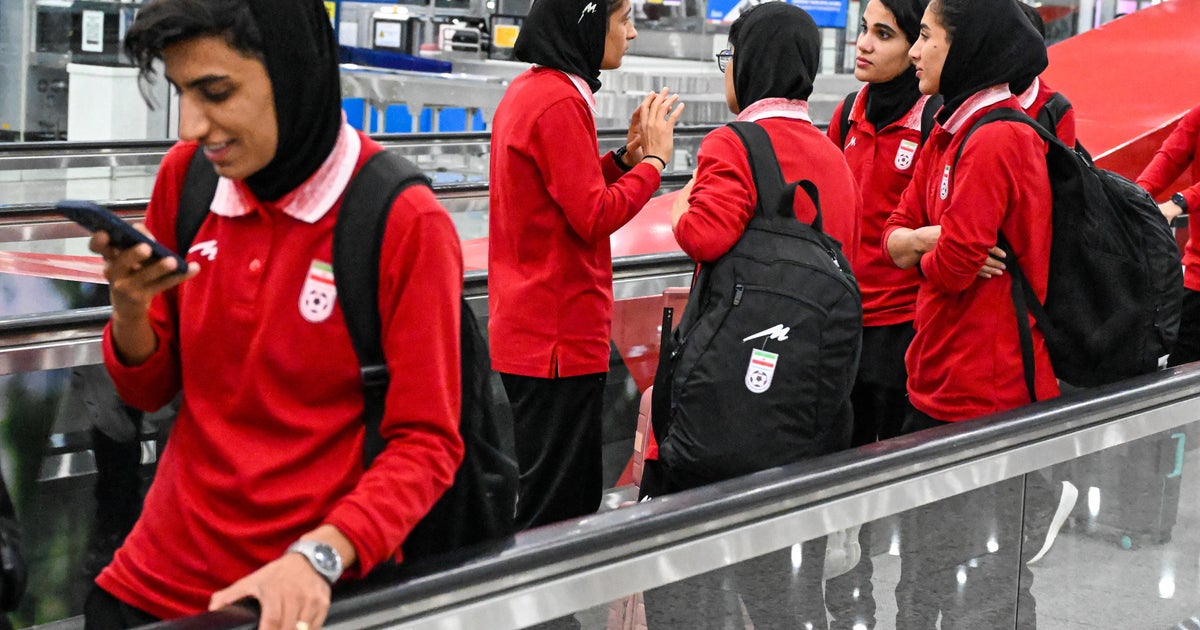
In what has become a deeply complicated international story, members of Iran’s women’s soccer team are making difficult decisions about their futures after initially seeking asylum in Australia. As of Monday, another player who had accepted a refugee visa has chosen to return to Iran, leaving only two of the original seven team members who decided to stay in Australia. The remaining players have gathered in Kuala Lumpur, Malaysia, where the situation continues to unfold with uncertainty hanging over everyone involved. According to sport officials monitoring the situation, the team appears to be waiting in the Malaysian capital, though there’s speculation among members of the Iranian community in Australia that they might be delaying their departure in hopes of convincing the last two players to change their minds and rejoin the group before heading home.
The Timeline of Events and Growing Concerns
The Iranian women’s soccer team traveled to Australia to compete in the Women’s Asian Cup, arriving shortly before conflict erupted in the Middle East on February 28th. After being eliminated from the tournament, the squad was scheduled to fly back from Sydney on March 10th. However, six players and one support staff member made the significant decision to remain in Australia and accept protection visas rather than return to their homeland. This created an immediate diplomatic situation that drew international attention. What made their situation even more concerning to observers was an incident during the tournament when the players chose not to sing the Iranian national anthem before their opening match. This act of silent protest heightened fears about what might await them if they returned home, as such actions are often viewed as political statements against the Iranian government and can carry serious consequences for athletes and their families.
Unexpected Changes of Heart
In a surprising turn of events, four players and the support staff member have now reversed their decisions and rejoined their teammates in Kuala Lumpur, with the most recent arrival coming on Monday. While no official explanations have been provided for these changes of heart, many within the Iranian diaspora community in Australia believe these women are facing intense pressure from Tehran. The support staff member, who initially accepted asylum before departing Australia on Saturday, has become a particular point of concern. Some members of the Iranian community abroad have accused this individual of sending text messages to teammates that spread Iranian government propaganda, potentially influencing their decisions to return. However, Australian Assistant Immigration Minister Matt Thistlethwaite has stated there’s no concrete evidence to support the theory that this staff member persuaded others to leave, emphasizing that all those who remained in Australia were “genuine asylum seekers.”
Official Responses and International Perspectives
The Asian Football Confederation has been supporting the team during their stay in Kuala Lumpur, with the organization’s general manager, Windsor Paul John, explaining that they’re simply waiting for the players to finalize their travel plans back to Iran. He told reporters that departures could happen “today, tomorrow or next week,” and notably stated that the confederation hadn’t received any direct complaints from players about concerns regarding their return home. Windsor described the team as being “in high spirits” and said they “didn’t look afraid” despite media reports suggesting their families in Iran could face retaliation. Meanwhile, Iranian authorities have celebrated the women’s decisions to reject asylum, portraying it as a victory against both Australia and American influence. Iran’s Tasnim News Agency characterized the returning players as coming back to “the warm embrace of their family and homeland” and described the situation as a failure of what they called an American-Australian political effort.
Expert Analysis and Safety Concerns
Kylie Moore-Gilbert, a political scientist at Sydney’s Macquarie University who has personal experience with Iranian detention after spending more than two years in Iranian prisons on spying charges between 2018 and 2020, offered her perspective on the situation. She suggested that “winning the propaganda war” has taken precedence over the women’s actual welfare and safety. Moore-Gilbert believes the high-profile nature of the asylum requests forced the Iranian regime to respond aggressively, whereas if these women had quietly sought asylum without media attention, Iranian officials might have simply allowed it to happen, as they have with other Iranian athletes who’ve defected in the past. Her insights carry particular weight given her own traumatic experience with the Iranian justice system and her understanding of how the regime operates when it feels its reputation is at stake on the international stage.
The Current Situation and Ongoing Support
The Australian government has taken steps to protect the two women who remain committed to staying in the country, moving them to an undisclosed safe location where they’re receiving assistance from both government resources and the Iranian diaspora community. Assistant Immigration Minister Thistlethwaite described the entire situation as “very complex” and emphasized that these are “deeply personal decisions” that the government respects, whether the women choose to stay or return. He reiterated the government’s commitment to continuing support for those who remain in Australia. Kambiz Razmara, vice president of the Australian-Iranian Society of Victoria, expressed understanding about the pressures these women face, noting that they’ve had to make life-changing decisions “at the spur of the moment with very little information” and have been forced to react to rapidly changing circumstances. While he expressed surprise at their decisions to return, he said he wasn’t shocked because he understands the immense pressures they’re experiencing from the Tehran regime. The situation remains fluid, with diplomatic tensions still running high between Australia and Iran, particularly after Australia expelled Iran’s ambassador last year and cut off diplomatic relations following intelligence conclusions that the Revolutionary Guard had directed arson attacks on Jewish targets in Sydney and Melbourne. As this story continues to develop, the international community watches closely, hoping for the safety and well-being of all the women involved in this difficult situation.