

Deadly Week in Italian Alps Claims 13 Lives as Avalanche Danger Reaches Critical Levels
Tragedy Strikes During Winter Sports Season
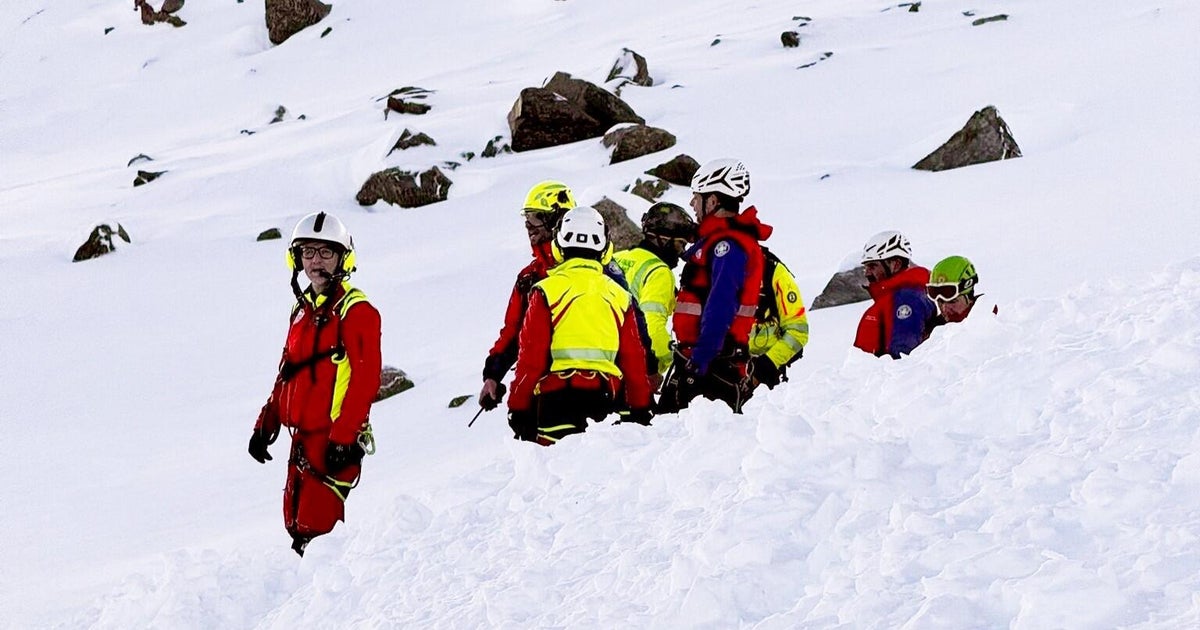
The Italian Alps have experienced one of their deadliest weeks in recent memory, with thirteen people losing their lives in the mountains over a seven-day period, according to rescue officials who issued warnings on Monday. The grim toll includes ten victims who perished in avalanches, two hikers who died in separate incidents, and one ice climber who lost their life while pursuing their passion in the treacherous winter conditions. These deaths occurred even as the region hosts Winter Olympic competitions, highlighting the stark contrast between the relative safety of managed ski areas and the unpredictable dangers lurking in the backcountry.
The timing of these fatalities has brought renewed attention to mountain safety, particularly as thousands of winter sports enthusiasts flock to the Alps during the Olympic season. The tragedy serves as a sobering reminder that while the mountains offer breathtaking beauty and thrilling adventures, they demand respect and careful preparation from anyone who ventures into their realm. Federico Catania, spokesman for Italy’s Alpine Rescue Corps, emphasized that the recent deaths paint a picture of exceptionally hazardous conditions across the entire Alpine crescent, the stunning arc of mountains that forms natural borders with France, Switzerland, and Austria.
Understanding the Perfect Storm of Dangerous Conditions
What makes this winter particularly treacherous is the combination of meteorological factors that have created what experts describe as an exceptionally unstable snowpack. Recent storms have dumped fresh layers of snow across the region, and strong winds have swept across the mountain peaks, creating deceptive snow formations. The real danger lies beneath the surface, however, where these new layers of snow have settled on top of weak internal layers within the existing snowpack. This creates a precarious structure that can collapse with minimal provocation.
Catania explained the mechanics of this danger in straightforward terms that should concern anyone planning a backcountry adventure: “Under such conditions, the passage of a single skier, or natural overloading from the weight of snow, can be sufficient to trigger an avalanche.” This means that what appears to be a pristine, untouched slope might actually be a death trap waiting to be sprung by nothing more than the weight of one person skiing across it. The avalanche danger isn’t limited to a single region either – it extends along the entire Alpine crescent, affecting mountain areas throughout northern Italy and into neighboring countries.
The victims of this dangerous week include two skiers who died in separate avalanches in Lombardy, near the Swiss border, three more in the Trentino region, and one in the adjacent South Tyrol province. Among the dead were two individuals who perished in separate avalanche incidents near the iconic Marmolada glacier, one of the most recognizable landmarks in the Dolomites. Beyond the avalanche victims, the week’s death toll also included two hikers – one on Monte Grappa in the Veneto region and another in the Marche region along the Apennine mountain range – as well as an ice climber who died in Valle d’Aosta. Each of these deaths represents not just a statistic but a person with family, friends, and a passion for the mountains that ultimately cost them their life.
Olympic Sites Remain Safe Amid Backcountry Dangers
Despite these tragic deaths, officials have been quick to reassure the public that there is no elevated danger at official Olympic venues or managed ski resorts. The fatalities all occurred in ungroomed backcountry areas, far from the carefully maintained and constantly monitored slopes where Olympic events are taking place. These official sites include locations in Lombardy on the Swiss border, the famous resort town of Cortina d’Ampezzo in Veneto, and cross-country skiing venues in Val di Fiemme in the autonomous province of Trentino.
Catania stressed this important distinction: “There is no danger for people skiing within managed ski resorts, and in particular no risks to the Olympic sites. All of these areas are constantly monitored and are generally safe regardless of Olympic events.” This monitoring includes avalanche control measures such as intentionally triggering smaller, controlled avalanches before they can grow dangerous, closing off high-risk areas, and maintaining constant surveillance of snow conditions. Professional ski patrols work around the clock during the winter season to ensure that resort visitors can enjoy their time on the slopes with minimal risk from avalanche danger.
The same Alpine Rescue Corps that has been recovering bodies from avalanche sites also carried out a high-profile rescue operation following the crash of American downhill skiing star Lindsey Vonn. The champion skier was airlifted by helicopter from the slopes at Cortina d’Ampezzo after her crash during competition on Sunday. The Italian hospital treating her released a statement describing how Vonn suffered a fractured leg in “a nasty fall” during the women’s downhill race. By Monday, Vonn had posted her first personal message on social media since the accident, reassuring her fans and updating them on her condition. Her accident, while serious, illustrates the difference between controlled sporting risks and the unpredictable dangers of avalanche terrain.
The Dangerous Pattern of Storm-and-Sun Cycles
Weather patterns have played a crucial role in the increased death toll. The region has been hit by a series of snowstorms over recent weeks, each dumping substantial amounts of fresh snow on the mountains. However, between these storms, there have been brief windows of clear, beautiful weather – exactly the kind of conditions that draw people to the mountains. Unfortunately, these sunny intervals have proven deadly, as enthusiasts rush to take advantage of good weather without giving the snowpack adequate time to stabilize after each storm.
Catania identified this pattern as a key factor in the spike in fatalities: “With a spate of recent snowstorms, people have been rushing to the mountains during brief windows of good weather, and as a result the number of accidents, and therefore fatalities, has increased proportionally.” This phenomenon is well-known to avalanche experts – the most dangerous time is often in the days immediately following a storm, when the weather improves and draws people out, but before the new snow has had time to bond properly with the layers beneath it. The psychological pull of a beautiful day after being cooped up during storms is powerful, but it can override the cautious decision-making that mountain safety requires.
The problem isn’t unique to Italy either. Last month, Austria experienced its own avalanche tragedy when three separate avalanches killed eight skiers in neighboring mountain areas. This regional pattern suggests that the dangerous snow conditions extend across international borders throughout the Alps, affecting mountain areas regardless of which country they happen to be in. The Alpine environment doesn’t respect political boundaries, and the same weather systems that create unstable conditions in Italy are also affecting Austria, Switzerland, France, and other Alpine nations.
Expert Advice for Backcountry Safety
In response to the deadly week, mountain rescue experts are urging anyone planning backcountry excursions to take specific precautions. The most important advice is deceptively simple: heed avalanche bulletins and delay your outing if conditions are reported as dangerous. Throughout the Alps, professional organizations monitor snow conditions daily and issue detailed bulletins that rate avalanche danger on a scale from low to extreme. These bulletins are based on scientific measurements, weather forecasts, and reports from the field, and they represent the collective expertise of people who have devoted their careers to understanding mountain hazards.
Beyond checking bulletins, rescuers advise waiting until the snowpack has properly consolidated before venturing into backcountry areas. Consolidation is the process by which different layers of snow bond together and stabilize, typically requiring several days of settled weather. During this time, the snow crystals undergo changes in structure, and the distinct layers begin to knit together into a more uniform and stable mass. Rushing into the mountains before this process is complete dramatically increases the risk of triggering an avalanche. For many backcountry enthusiasts, this advice requires patience and the willingness to forgo a planned adventure, which can be frustrating but is ultimately a matter of life and death.
Proper equipment is also essential for anyone venturing into avalanche terrain. This includes an avalanche transceiver (a device that can transmit and receive signals to help locate buried victims), a probe (a collapsible pole for pinpointing buried victims), and a shovel (for digging). Beyond equipment, education is critical – understanding how to read terrain, recognize avalanche warning signs, and make safe route choices can mean the difference between a successful outing and tragedy. Many regions offer avalanche safety courses that teach these skills, and experts strongly recommend that anyone planning to ski, snowboard, or travel in the backcountry complete such training.
A Sobering Reminder of Mountain Realities
The thirteen deaths in one week represent more than statistics – they’re a stark reminder that the mountains, for all their beauty and allure, remain fundamentally wild and unpredictable environments. Each victim likely had experience in the mountains, equipment, and a love for the alpine environment that drew them there despite the risks. Yet even experienced mountaineers, skiers, and climbers can fall victim to avalanches when conditions align in dangerous ways. The mountains have always demanded respect from those who venture into them, and weeks like this one underscore that this ancient truth remains as relevant today as ever.
As the Winter Olympics continue and as winter sports enthusiasts worldwide continue to enjoy the snow season, these deaths should serve as a call to mindfulness and caution. The managed slopes and Olympic venues offer opportunities to enjoy winter sports with reasonable safety, backed by professional monitoring and avalanche control. But for those drawn to the backcountry – to the untracked snow, the solitude, and the raw mountain experience – the message is clear: check the avalanche forecast, give the snowpack time to stabilize after storms, carry proper safety equipment, travel with experienced partners, and never hesitate to turn back if conditions don’t feel right. The mountains will still be there tomorrow, next week, or next month. Making it home safely to return another day is what matters most.