


American-Israeli Soldier Falls in Lebanon Combat
A Young Life Lost in Service
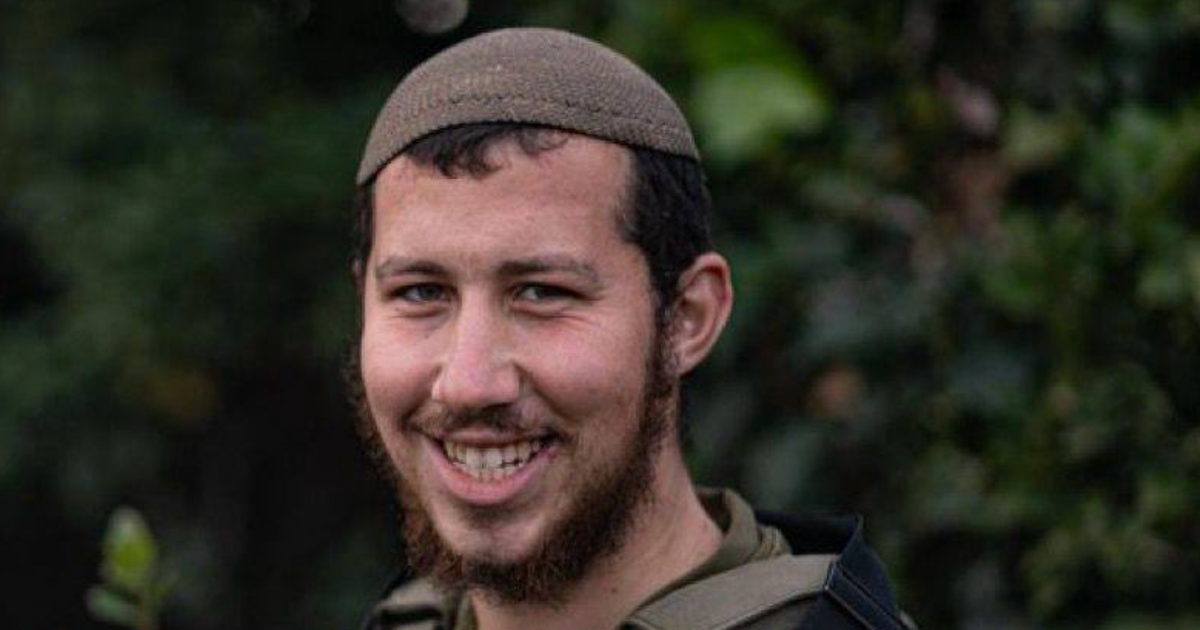
The Israel Defense Forces announced with heavy hearts on Sunday the death of Sergeant Moshe Yitzchak Hacohen Katz, a 22-year-old American-born Israeli soldier who gave his life while serving in southern Lebanon. Born in New Haven, Connecticut, Katz represents one of many young Americans who chose to leave their comfortable lives in the United States to serve in the Israeli military. His story is one of dedication, faith, and ultimate sacrifice. The IDF honored his service by posthumously promoting him from corporal to sergeant, a recognition of his commitment and bravery. Katz served with the 890th Battalion of the IDF’s elite Paratroopers Brigade, a unit known for taking on some of the most challenging missions in defense of Israel. His death serves as a sobering reminder of the ongoing conflicts in the Middle East and the young lives being lost on multiple fronts.
Remembering a Special Young Man
Those who knew Moshe Yitzchak Hacohen Katz remember him as far more than just a soldier. Rabbi Yehoshua Hecht, Katz’s great-uncle, spoke with profound emotion to Israel’s Army Radio about his great-nephew, painting a picture of a vibrant young man who approached life with enthusiasm and joy. “He was a very special young man who enjoyed every moment of life,” Rabbi Hecht shared, his words carrying the weight of family grief. The Rabbi described Katz as deeply religious, someone whose faith guided his decisions and actions, including his choice to serve in the Israeli military. Beyond his spiritual life, Katz was also noted as an excellent student, suggesting a young man of intelligence and discipline who could have pursued many paths in life. His decision to enlist in one of Israel’s most demanding military units speaks to his character and sense of purpose. For his family, friends, and community, the loss is immeasurable – a bright light extinguished too soon, leaving behind memories of a life lived with conviction and joy.
Leadership Responds to the Loss
Israeli Prime Minister Benjamin Netanyahu personally addressed Katz’s death in an official statement, demonstrating the significance that Israeli leadership places on each fallen soldier, particularly those who chose to immigrate to Israel specifically to serve. In his statement, Netanyahu noted that Katz had made aliyah – the term used when Jewish people immigrate to Israel – from the United States before enlisting in the prestigious Paratroopers Brigade. The Prime Minister emphasized that Katz “fought bravely in defense of the homeland,” words that acknowledge the courage required to serve in active combat zones. Netanyahu’s statement, delivered in both Hebrew and English, extended condolences “on behalf of all citizens of Israel” to Katz’s grieving family during their “difficult time.” He also wished for a “speedy and complete recovery” to other soldiers injured in the same incident that claimed Katz’s life, indicating that the combat operation resulted in multiple casualties. The phrase “May his memory be blessed” concluded the Prime Minister’s tribute, a traditional Jewish expression of remembrance that carries deep cultural and religious significance. Such high-level acknowledgment reflects Israel’s ethos of remembering and honoring every soldier who falls in defense of the nation.
The Broader Context of Conflict
While Israeli military officials have not released specific details about the circumstances of Katz’s death beyond confirming it occurred during combat operations in southern Lebanon, his sacrifice comes amid a complex and expanding regional conflict. Israel has been fighting on multiple fronts, with operations in southern Lebanon representing a significant theater of engagement against Hezbollah, the Iran-backed militant organization that has long operated in the region. This conflict runs parallel to Israel’s joint military operations with the United States in Iran, creating a geopolitically complicated situation with far-reaching implications. The fighting in Lebanon has intensified as Israel works to neutralize what it identifies as Hezbollah positions and infrastructure throughout the southern part of the country. Israeli military operations have included targeted strikes on alleged Hezbollah sites, ground operations, and warnings to civilian populations to evacuate from areas of military activity. The lack of specific information about Katz’s death – whether it resulted from direct combat with Hezbollah fighters, an improvised explosive device, rocket fire, or other combat circumstances – reflects the military’s standard practice of withholding operational details, both for security reasons and out of respect for the family’s grieving process.
The Humanitarian Crisis in Lebanon
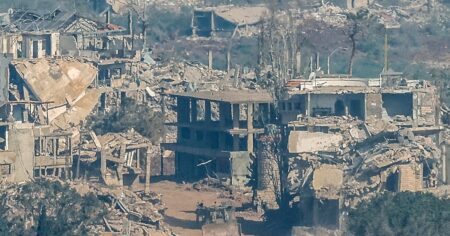
The military operations that claimed Sergeant Katz’s life are unfolding against a backdrop of severe humanitarian consequences for Lebanon’s civilian population. The United Nations refugee agency has issued stark warnings about the deteriorating situation, describing Lebanon as facing a humanitarian crisis that threatens to escalate into a full-scale “catastrophe.” According to data from the United Nations High Commissioner for Refugees, approximately one million people – representing one in every five Lebanese residents – have been forced to flee their homes due to the ongoing conflict. This massive displacement has created refugee flows both within Lebanon and across borders, straining resources and creating vulnerable populations in desperate need of shelter, food, medical care, and basic services. Israeli military authorities have issued evacuation orders to civilians in dozens of towns and villages across southern Lebanon, warnings intended to reduce civilian casualties as military operations target suspected Hezbollah positions. However, these evacuations themselves create humanitarian challenges, as families are forced to leave behind homes, possessions, and livelihoods, often with little notice and uncertain destinations. The displacement has particularly severe impacts on vulnerable populations including children, elderly residents, and those with medical conditions requiring ongoing care.
The Human Cost of Regional Conflict
The National Institute for Security Studies in Israel, an independent research organization, has documented that at least 1,116 people have been killed during Israeli military operations in Lebanon since the broader regional conflict began. This figure encompasses both combatants and civilians, though the breakdown between military casualties and civilian deaths remains a matter of ongoing documentation and dispute. Each number represents an individual life lost, a family grieving, and communities forever changed by violence. Sergeant Moshe Yitzchak Hacohen Katz now joins this tragic count, a young American who traveled thousands of miles to serve in a military defending a nation he believed in, only to make the ultimate sacrifice at just 22 years old. His death raises profound questions about the cycles of conflict in the Middle East, the price paid by young soldiers on all sides, and the human cost of regional tensions that seem to defy diplomatic resolution. For Katz’s family in both the United States and Israel, their personal loss is complete and devastating – a son, nephew, cousin, and friend who will never return home. Their grief is shared by countless other families across the region who have lost loved ones to this conflict, a reminder that behind military statistics and geopolitical analysis are real people whose lives have been irrevocably shattered by violence. As Israel continues its operations and the humanitarian situation in Lebanon worsens, Sergeant Katz’s sacrifice stands as a poignant reminder of the young lives being consumed by conflicts with deep historical roots and no clear end in sight.