

Australian Manhunt Ends: Police Believe They’ve Shot Suspect in Officers’ Deaths
Seven-Month Search Concludes in Remote Forest Showdown
After seven long months of uncertainty and an exhaustive search across Australia’s rugged wilderness, authorities believe they have finally brought closure to one of the country’s most intensive manhunts. Victorian police announced on Monday that they shot and killed a man they strongly believe to be Dezi Freeman, the 56-year-old suspect accused of murdering two police officers and critically injuring a third in a remote forest region. The dramatic confrontation took place near Thologolong, a secluded area roughly two hours north of where the original shooting occurred. While police are confident about the suspect’s identity, they emphasized that formal identification procedures, including fingerprinting, could take up to 48 hours to provide absolute confirmation.
The tragic chain of events that sparked this lengthy pursuit began on August 26 of the previous year, when police officers arrived at Freeman’s property near Porepunkah in Victoria state, northeast of Melbourne, to serve a warrant. What should have been a routine law enforcement procedure turned deadly when the suspect allegedly opened fire on the officers. Two members of the police force lost their lives that day, while a third officer sustained serious injuries. From that moment until Monday’s fatal encounter, there had been no confirmed sightings of Freeman, leaving investigators and the community in a state of anxious uncertainty. The incident sent shockwaves through the law enforcement community and triggered what would become one of the most extensive searches in the region’s history, with officers combing through Victoria’s heavily forested alpine terrain in hopes of locating the fugitive.
The Final Confrontation: A Three-Hour Standoff
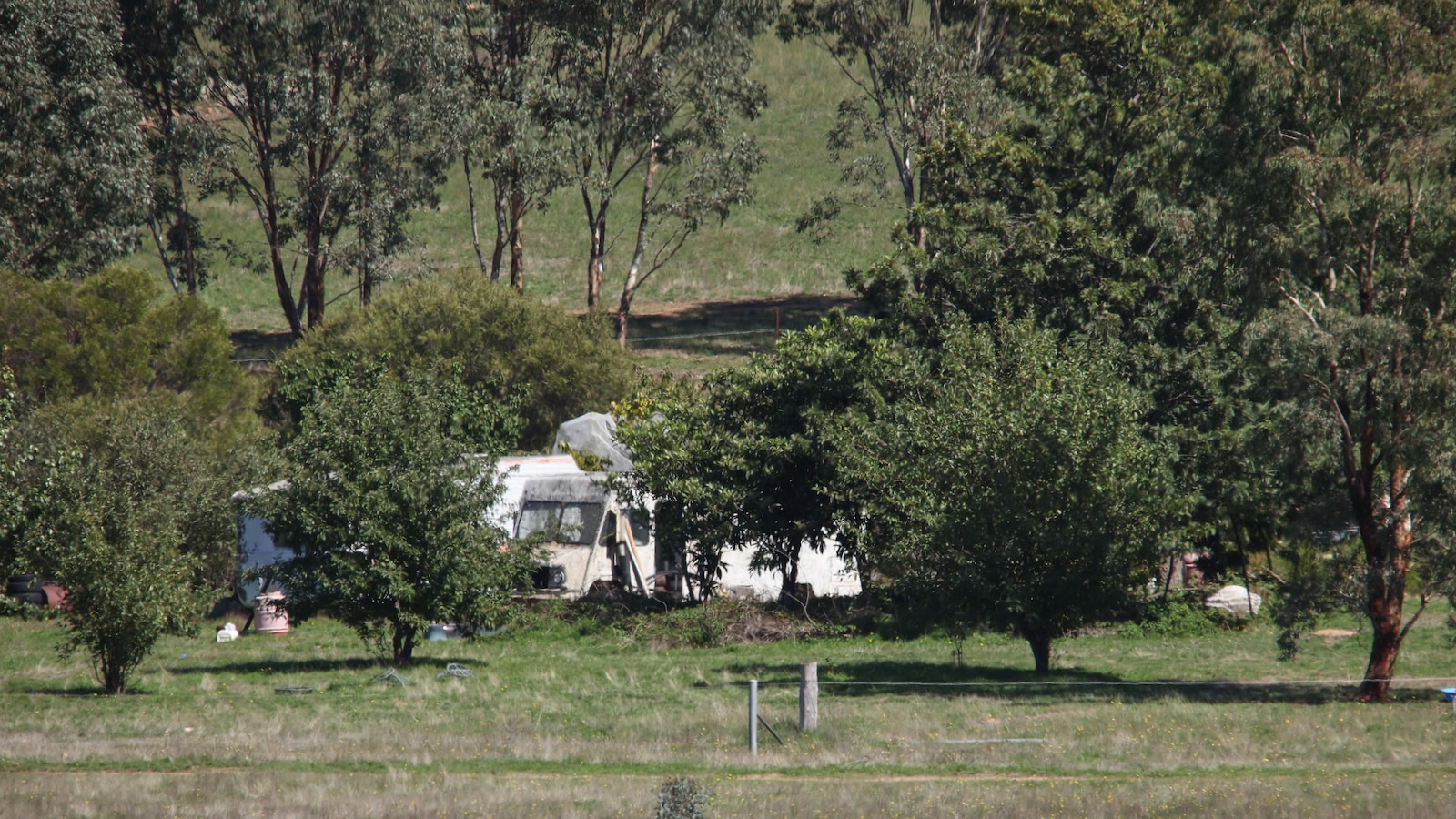
The conclusion to this lengthy manhunt came after what Victoria’s Chief Commissioner of Police Mike Bush described as a tense three-hour standoff between heavily armed Special Operations Group tactical police and the suspect. According to police statements, the man believed to be Freeman had taken shelter in a structure resembling a shipping container at the remote Thologolong location. The tactical team, trained for exactly these kinds of high-stakes situations, approached the confrontation with extreme caution, fully aware of the danger they potentially faced. During the standoff, negotiators offered the suspect an opportunity to surrender peacefully, but he refused to take up that offer. Commissioner Bush was clear in stating that bringing the situation to a safe conclusion was the primary objective, with the ultimate goal being a peaceful arrest if at all possible.
When speaking to reporters in Melbourne, Bush indicated that he “strongly believed” the suspect was armed during the confrontation, though he could not definitively confirm whether the suspect had fired at police officers during the final encounter. This uncertainty highlights the chaotic and dangerous nature of the situation that the tactical officers faced. The decision to use lethal force is never taken lightly by law enforcement, and Bush’s comments reflected the careful consideration that went into every action during those critical three hours. The commissioner’s emphasis on wanting a peaceful resolution underscores the difficult balance police must strike between ensuring public and officer safety while attempting to take suspects into custody alive whenever possible.
The Man Behind the Manhunt: Beliefs and Capabilities
According to widespread reports in Australian media, Freeman was known to espouse so-called sovereign citizen beliefs and harbored significant grievances against police authorities. Sovereign citizens typically reject government authority and believe they are not subject to government statutes or proceedings, a worldview that often puts them at odds with law enforcement. These beliefs, combined with Freeman’s reported wilderness survival skills, created a particularly challenging situation for investigators. Police feared that his ability to survive in harsh outdoor conditions could allow him to evade capture indefinitely by living off the land in Victoria’s vast alpine forests. This combination of ideology and practical survival knowledge made him an exceptionally difficult person to track down.
The search for Freeman covered an enormous area of Victoria’s alpine region, characterized by dense forests, rugged terrain, and remote wilderness that could provide countless hiding places for someone with the right skills and determination. The challenges faced by search teams cannot be overstated—they were looking for one individual across thousands of square kilometers of difficult terrain, where someone familiar with wilderness survival could potentially remain hidden for extended periods. The reward of 1 million Australian dollars (approximately $678,000) that police offered for information leading to Freeman’s capture reflected both the seriousness of the crimes and the difficulty of the search. Such a substantial reward is rarely offered and indicates the priority level that authorities placed on resolving this case.
Theories and Investigations: Did He Survive Alone?
Interestingly, in the months leading up to Monday’s confrontation, police had publicly stated that they suspected Freeman might have taken his own life. Commissioner Bush explained that investigators had to follow every possible avenue of inquiry, and there was substantial evidence suggesting that the suspect might have died by suicide in the wilderness. This theory would have been consistent with the complete lack of confirmed sightings over such an extended period. However, law enforcement never ceased their active investigation, continuing to pursue leads and maintain vigilance across the search area. The fact that Freeman—if formal identification confirms it is indeed him—survived for seven months without any confirmed sightings raises questions about whether he received assistance during his time as a fugitive.
Police have indicated that they are continuing to investigate whether other individuals may have helped the suspect avoid arrest during these seven months. This is a crucial line of inquiry because surviving for such an extended period in harsh conditions, while evading one of Australia’s largest manhunts, would be extraordinarily difficult for a lone individual to accomplish without any external support. Investigators will be looking into Freeman’s known associates, examining any potential supply chains that might have kept him fed and equipped, and determining whether anyone should face charges for harboring a fugitive or obstructing justice. Bush’s refusal to comment on whether a specific tipoff led police to the suspect’s location on Monday suggests that this aspect of the investigation remains sensitive and ongoing. The substantial reward offered may have played a role in generating the intelligence that led to Monday’s confrontation, though authorities have remained tight-lipped about the specifics.
Reflection and Moving Forward: Impact on Community and Law Enforcement
The conclusion of this manhunt, while providing a sense of resolution, cannot erase the profound tragedy that sparked it. Two police officers lost their lives in the line of duty, leaving behind families, friends, and colleagues who continue to grieve their loss. A third officer survived but was seriously wounded, carrying both physical and psychological scars from that August day. The law enforcement community has been deeply affected by these losses, as officers across Australia mourned their fallen comrades while simultaneously working tirelessly to bring the person responsible to justice. The fact that this pursuit lasted seven months, keeping communities on edge and requiring enormous resources, only adds to the toll this case has taken on everyone involved.
As the formal identification process proceeds and investigators continue to piece together exactly what happened during those seven months and in the final confrontation, many questions remain unanswered. The community of Porepunkah and the surrounding regions can perhaps begin to feel safer knowing that the suspect is no longer at large, but the healing process will take time. This case serves as a stark reminder of the dangers that law enforcement officers face, sometimes in situations that begin as routine procedures. It also highlights the challenges of policing in Australia’s vast and varied landscape, where remote locations can provide refuge for those fleeing justice. As details continue to emerge about how Freeman survived for so long and what led to Monday’s fatal encounter, authorities will be examining every aspect of this case to learn lessons that might help prevent similar tragedies in the future and improve response protocols for such situations.