


Close Call Over Orange County: Military Helicopter Crosses Path of Commercial Airliner
A Tense Moment in Southern California Skies
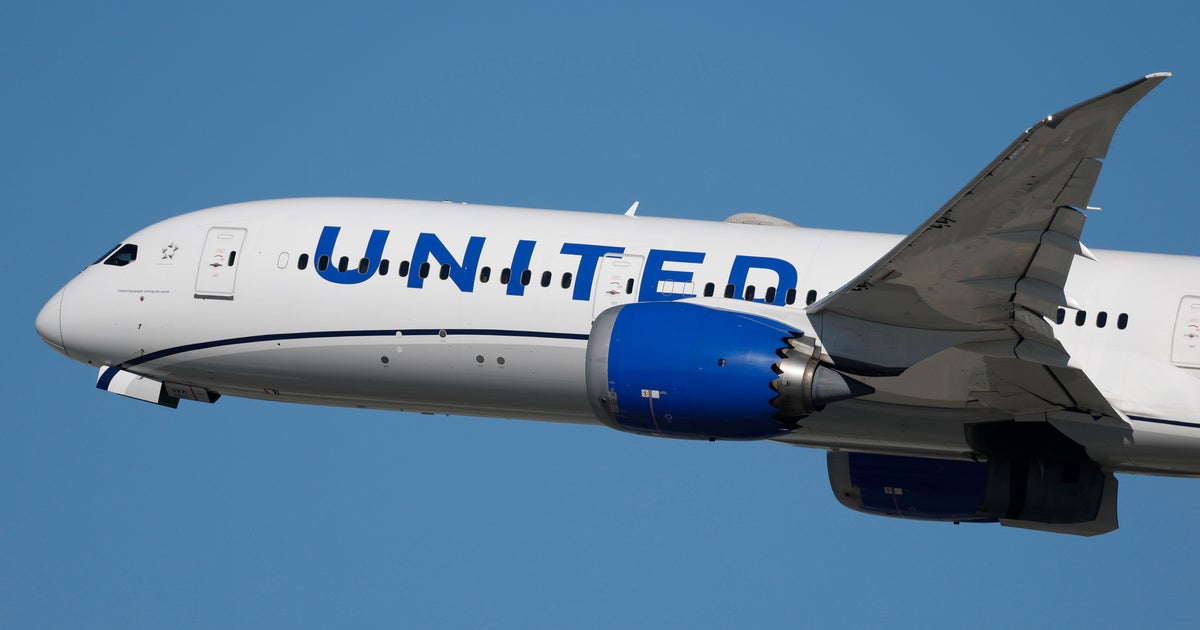
What should have been a routine Tuesday evening landing at John Wayne Airport in Orange County turned into a heart-stopping moment for passengers and crew aboard United Airlines Flight 589. As the commercial aircraft made its descent around 8:40 p.m., a California Air National Guard Black Hawk helicopter unexpectedly crossed directly in front of the passenger jet’s flight path, creating a dangerous situation that triggered emergency collision avoidance systems. The incident, which thankfully ended without injuries, has raised fresh concerns about military aircraft operations near busy civilian airports and added to a growing list of close calls that have aviation authorities reviewing safety protocols. The Federal Aviation Administration has launched a full investigation into what went wrong, while both the California Air National Guard and the U.S. Army are conducting their own reviews of the incident. For the 162 passengers and six crew members aboard the United flight that had departed from San Francisco just over an hour and a half earlier, it was an unexpected reminder of the complex choreography required to keep our skies safe.
What Happened During the Near-Miss
The sequence of events unfolded rapidly as United Flight 589 approached John Wayne Airport after departing San Francisco International Airport at approximately 7:07 p.m. Air traffic controllers had already notified the United pilots to be on the lookout for a military helicopter operating in the vicinity of the airport. Despite this advance warning, the situation became critical when the Black Hawk helicopter, which was conducting what the California Air National Guard described as a “routine training mission,” moved into the commercial aircraft’s direct path. At that moment, the sophisticated Traffic Alert and Collision Avoidance System (TCAS) aboard the United aircraft sprang into action, issuing what’s known as a resolution advisory to the flight crew. This type of alert is one of the most serious warnings in modern aviation—it provides specific instructions to pilots about whether they should climb, descend, or maintain their altitude to avoid a potential collision with another aircraft. According to audio recordings from air traffic control communications, the United pilots immediately responded to the alert and leveled their aircraft, taking evasive action while keeping the helicopter in sight. The professional handling of the situation by the flight crew ensured that what could have been a catastrophic collision became instead a close call with a safe outcome.
Official Responses and Ongoing Investigations
In the immediate aftermath of the incident, multiple agencies moved quickly to address what had occurred and reassure the public that safety remains the top priority. United Airlines issued a statement confirming that their pilots had been advised by air traffic control about the military helicopter’s presence and that the crew had visual contact with the helicopter before receiving the traffic alert. The airline emphasized that standard safety procedures were followed and that the aircraft was leveled in response to the situation. The California Air National Guard, responsible for the Black Hawk helicopter based at Joint Forces Training Base Los Alamitos, explained that their aircraft was returning to the base along an established Visual Flight Rules route at an assigned altitude while maintaining communication with air traffic control. Both the National Guard and the U.S. Army committed to thorough reviews of the incident in coordination with appropriate agencies. What’s particularly telling is the air traffic controller’s comment captured on audio recordings, telling the United pilots before landing that they would be “addressing the situation because that was not good”—an unusually candid acknowledgment from a controller that something had gone seriously wrong with the separation between the two aircraft. The Federal Aviation Administration has opened a formal investigation to determine exactly how the close call occurred, whether protocols were properly followed, and what changes might be necessary to prevent similar incidents in the future.
The Broader Context of Aviation Safety Concerns
This Orange County incident doesn’t exist in isolation but rather represents the latest in a troubling series of close calls that have captured the attention of aviation safety officials nationwide. The Department of Transportation has recently implemented new rules specifically governing how helicopters operate around airports, a direct response to multiple near-miss situations, including a particularly concerning incident at Burbank Airport. Controllers at Los Angeles International Airport, one of the busiest aviation hubs in the world, have also taken proactive measures by limiting helicopter access to airspace around the facility. These changes reflect a growing recognition that the mixing of military helicopters, civilian helicopters, and commercial aircraft in congested airspace around major metropolitan areas creates risks that must be more carefully managed. Aviation experts have long warned that the increasing complexity of airspace usage, with everything from commercial jets and military aircraft to news helicopters, medical transport helicopters, and now even drones sharing the skies, requires constant vigilance and updated procedures to maintain the remarkable safety record that commercial aviation has achieved over recent decades.
The Shadow of the Potomac River Tragedy
The heightened sensitivity to these close calls stems in large part from a devastating reminder of what can happen when aircraft separation fails. Last year, a catastrophic mid-air collision over the Potomac River in Washington, D.C., shocked the nation when a U.S. Army Black Hawk helicopter collided with an American Airlines regional jet, resulting in the deaths of all 67 people aboard both aircraft. That tragedy has fundamentally changed how aviation authorities view the interaction between military and civilian aircraft, particularly in busy terminal areas around major airports. The investigation into that crash revealed systemic issues with communication, coordination, and procedures that allowed two aircraft to occupy the same space at the same time with fatal consequences. The Potomac incident has served as a wake-up call throughout the aviation community, prompting the very rule changes and increased scrutiny that are now being applied to situations like the one at John Wayne Airport. Military aviation operations, while essential for national defense and training readiness, must be conducted in a way that doesn’t compromise the safety of civilian passengers, and finding the right balance between these competing needs has become a priority for regulators, air traffic controllers, military commanders, and airline operators alike.
Looking Forward: Lessons and Safety Improvements
As investigations into the John Wayne Airport incident continue, several important questions will need to be answered. Was the Black Hawk helicopter operating within its assigned altitude and route parameters? Were air traffic controllers aware of both aircraft’s positions and did they provide adequate guidance? Did communication between military and civilian air traffic control systems function as designed? Were the advance warnings given to the United pilots sufficient, or should additional precautions have been taken? The answers to these questions will help shape future policies and procedures designed to prevent similar incidents. What’s already clear is that the safety systems worked as intended—the TCAS alert gave the United pilots the information they needed to avoid a collision, and their professional response ensured everyone aboard landed safely. This incident also highlights the critical importance of ongoing training for both civilian and military pilots in operating within shared airspace, the need for clear communication protocols between different aviation authorities, and the value of technology like TCAS that provides a last line of defense when other safety layers fail. As air traffic continues to grow and diversify, with urban air mobility and other new aviation technologies on the horizon, the lessons learned from incidents like this one will be invaluable in building the safety systems of tomorrow. For now, 162 passengers and their families can be grateful that a potential tragedy was averted by alert pilots, functioning safety systems, and perhaps a bit of luck—and the aviation community can take this opportunity to ensure that luck becomes less necessary through better planning, coordination, and procedures.