


Devastating Floods Strike Brazil’s Minas Gerais State: A Community in Crisis
Tragedy Unfolds as Death Toll Rises
The state of Minas Gerais in Brazil has been devastated by catastrophic flooding and landslides that began late Monday, leaving communities struggling to cope with the aftermath of nature’s fury. As of Thursday, the death toll had climbed to 53 people, with rescue operations entering their third day amid continuing adverse weather conditions. The disaster has transformed bustling towns and cities into scenes of destruction, with roads impassable, businesses shuttered, and entire neighborhoods submerged under water. Rescue teams have been working around the clock, managing to save more than 230 people from dangerous situations, but the grim reality is that 15 individuals remain missing, and their families anxiously await news while hoping for miracles amid the mud and debris.
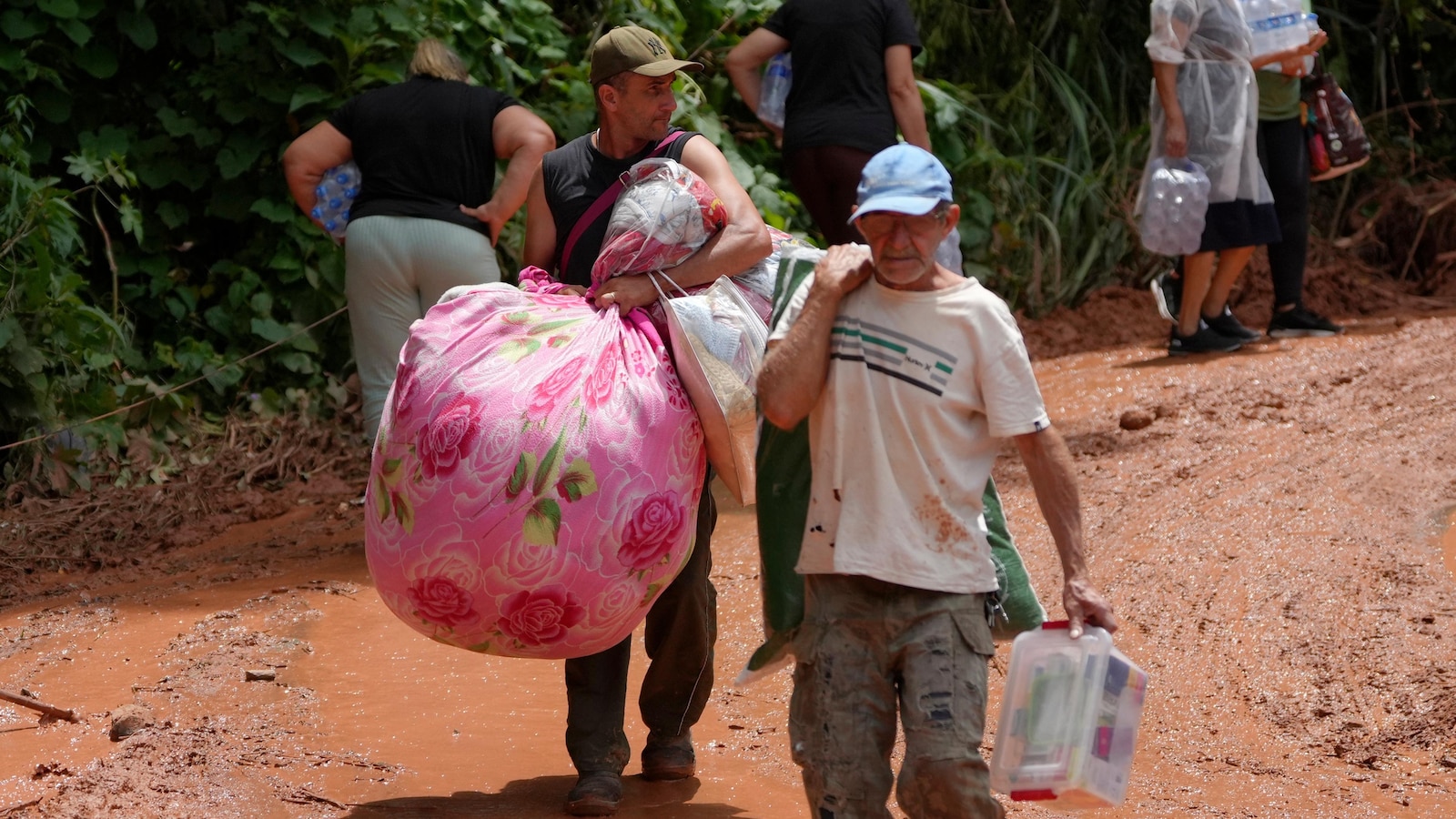
The hardest-hit areas have been the cities of Juiz de Fora and Uba, located approximately 310 kilometers (192 miles) north of Rio de Janeiro, where all of the fatalities have been recorded. These communities, which were thriving just days ago, now face the daunting task of recovery while still in the midst of the emergency. The catastrophe has brought not only death and destruction but also the collapse of houses, the closure of schools, and the displacement of countless families who have lost everything. The Minas Gerais fire department has been at the forefront of rescue efforts, coordinating search operations and providing crucial assistance to affected residents, even as they face the challenge of more severe weather on the horizon.
Relentless Rain Continues to Threaten Communities
Adding to the despair of residents already grappling with the disaster’s aftermath, Brazil’s meteorology institute, Inmet, issued warnings on Thursday morning about additional heavy rainfall accompanied by strong winds. The forecast painted a worrying picture for communities still reeling from the initial impact, with meteorologists pointing to significant risks including power outages, falling tree branches, widespread flooding, and dangerous lightning strikes. This continuous threat of severe weather has made recovery efforts exponentially more difficult, as emergency responders must balance rescue operations with preparations for the next wave of storms. The persistent rain has kept the ground saturated, increasing the likelihood of additional landslides and making already unstable structures even more dangerous.
In Juiz de Fora, the city that has borne the brunt of the disaster, the situation has become increasingly desperate. Reverend Ananias Simões, a pastor at a local church that has transformed into a shelter and supply distribution center for victims, described the heartbreaking cycle of destruction and recovery attempts. “This morning, all the shops in the city center are being cleaned again,” he explained. “The storm on Monday already caused damage, and early this morning there was even more damage.” His words capture the exhausting reality facing residents who clean up only to see their efforts washed away by subsequent storms. Many roads have been preemptively closed in anticipation of more heavy rain, creating logistical nightmares for those trying to deliver essential supplies to affected areas. Despite these obstacles, Reverend Simões remained determined to reach the city’s heavily impacted northern zone with food and water, embodying the spirit of resilience and community solidarity that has emerged amid the tragedy.
A Community United in Crisis Response
The response to the disaster has revealed both the severity of the situation and the remarkable dedication of ordinary people who have stepped up to help their neighbors in need. Reverend Simões’s assessment that “the situation is very chaotic” hardly captures the full extent of the challenges facing Juiz de Fora and surrounding communities, but his follow-up statement reflects the determination that has characterized the response: “Everyone is doing their utmost to make sure everyone stays safe.” Churches, community centers, and private homes have opened their doors to those who have lost everything, creating networks of support that complement official rescue and relief efforts. Volunteers have worked alongside professional emergency responders, forming bucket brigades to clear mud, distributing food and clean water, and providing emotional support to traumatized survivors who have watched their homes and possessions swept away.
The fire department has taken on the crucial role of not just conducting rescues but also educating residents about the ongoing dangers they face. Officials have issued detailed guidance advising people to carefully inspect their properties for signs of structural damage or imminent collapse. Warning signs inside buildings include cracks in bulging walls, new fissures appearing in foundations or walls, and doors and windows that suddenly stick or won’t close properly—all indicators that a structure may have been compromised and could fail. Outside, residents have been told to watch for muddy water flowing down hillsides, trees and utility poles that appear to be leaning or unstable, and ominous cracking sounds coming from the ground, any of which signal that danger may be imminent and immediate evacuation necessary. These precautions are vital as aftereffects of the initial disaster continue to pose risks, with saturated soil and weakened structures vulnerable to collapse even after the rain subsides.
National Response and Presidential Involvement
President Luiz Inácio Lula da Silva responded to the crisis by announcing on his social media channels that security forces had been deployed on rescue missions and were providing immediate assistance to affected populations. This federal response has brought additional resources and personnel to supplement local and state efforts, recognizing that the scale of the disaster exceeds what regional authorities can handle alone. The deployment of military and federal security personnel has expanded search and rescue capabilities, brought in specialized equipment for accessing difficult terrain, and provided logistical support for the distribution of emergency supplies. The president’s public statements have also served to keep the disaster in the national consciousness, encouraging donations and volunteer efforts from Brazilians across the country who want to help their fellow citizens in this time of need.
The current disaster in Minas Gerais unfortunately follows a pattern that has become all too familiar in Brazil. In May 2024, the southern state of Rio Grande do Sul experienced massive flooding that claimed at least 185 lives and caused widespread economic devastation. That catastrophe ravaged virtually everything needed for economic activity in the affected regions, destroying shops, factories, farms, and ranches, with financial losses estimated at more than 10 billion reais (approximately $1.9 billion). The scale of that disaster and its lingering economic impacts serve as a sobering reminder of what Minas Gerais may face in the months and years ahead as communities attempt to rebuild. The frequency and severity of these events have prompted national discussions about infrastructure improvements, early warning systems, and the need for better disaster preparedness, though such conversations offer little comfort to those currently searching through debris for missing loved ones or trying to salvage what little remains of their possessions.
Climate Change and the Future of Extreme Weather
Scientists have increasingly pointed to human-caused climate change as a significant factor in the growing frequency and intensity of extreme weather events like the flooding that has devastated Minas Gerais. The warming of the planet has altered atmospheric patterns, leading to more moisture being held in the air and subsequently released in concentrated, devastating downpours rather than gentle, beneficial rain. This scientific consensus suggests that without significant global action to address climate change, communities around the world—including those in Brazil—can expect to face more frequent disasters of this nature. The implications are profound not just for emergency response systems, which are already stretched thin, but for urban planning, infrastructure development, and the fundamental question of where and how people can safely live.
For the people of Minas Gerais currently facing the immediate crisis, discussions of long-term climate trends may seem abstract compared to the urgent needs of finding missing family members, securing shelter, and accessing clean water and food. Yet the connection between today’s tragedy and tomorrow’s climate reality cannot be ignored. As Brazil continues to experience these devastating weather events with increasing regularity, the nation faces difficult decisions about how to protect vulnerable communities, whether current settlement patterns are sustainable, and how to balance economic development with environmental resilience. The courage and solidarity displayed by residents of Juiz de Fora and Uba—from the pastor determined to deliver supplies despite closed roads to the fire department personnel risking their lives in rescue operations—demonstrate the human capacity to respond to crisis with compassion and determination. However, preventing future tragedies on this scale will require not just heroic responses after disasters strike, but proactive policies and global cooperation to address the root causes of climate change before more communities find themselves under water, searching for missing loved ones, and wondering if their homes will survive the next storm. The 53 lives lost in Minas Gerais represent not just statistics but individuals with families, dreams, and communities that depended on them—a human cost that should motivate action to prevent similar tragedies in the future.