


Cameroon’s Constitutional Amendment: A Calculated Move to Consolidate Power
The Return of the Vice Presidency After Five Decades
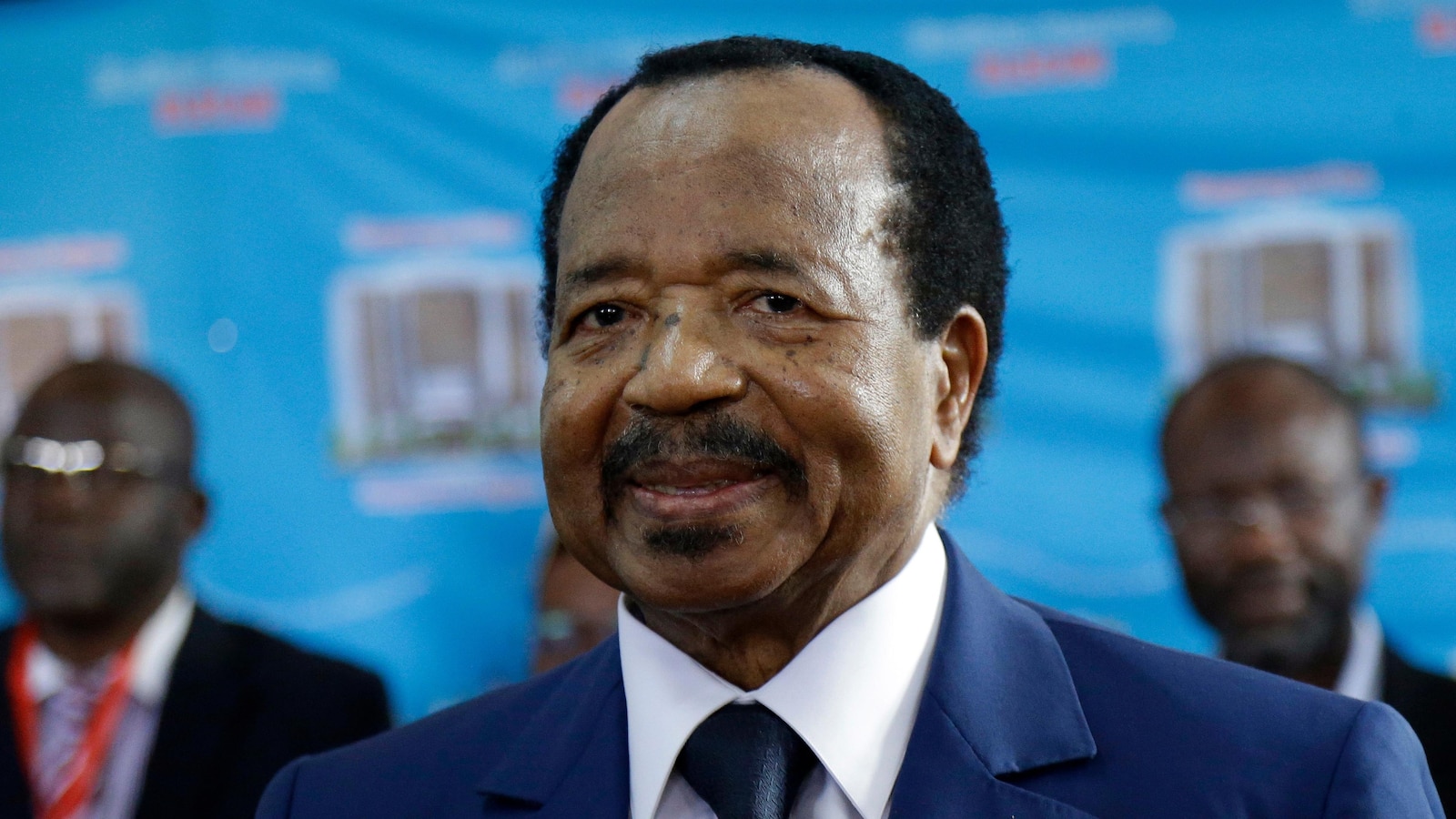
In a controversial legislative session that has sent shockwaves through Cameroon’s political landscape, the country’s parliament has voted decisively to bring back the position of vice president—a role that was eliminated more than half a century ago. The vote, held during a joint session of the National Assembly and Senate on Saturday, saw an overwhelming majority support the measure, with 200 lawmakers voting in favor, 18 against, and 4 abstaining. However, this lopsided result doesn’t tell the full story of a deeply divided nation. The main opposition party chose to boycott the proceedings entirely, viewing the session as a predetermined outcome designed to further entrench the power of President Paul Biya, who at 93 years old holds the distinction of being the world’s oldest head of state. Biya has governed the Central African nation since 1982, making him one of the continent’s longest-serving leaders. The constitutional amendment now awaits his signature, which political observers universally expect him to provide, cementing yet another chapter in his decades-long hold on power. This legislative maneuver has reignited debates about democracy, succession planning, and the future direction of a country increasingly frustrated with its aging leadership.
An Appointment, Not an Election: Understanding the New Power Structure
The details of this constitutional amendment reveal why it has sparked such fierce opposition and concern among democratic watchdogs. Unlike vice presidential positions in many democratic nations where the deputy is elected alongside the president or through a separate electoral process, Cameroon’s newly reinstated vice president will serve entirely at the pleasure of President Biya. The amendment grants the president absolute authority to appoint and dismiss the vice president at will, without requiring parliamentary approval or input from any other governmental body. Furthermore, the vice president will only be able to exercise powers that are specifically delegated by Biya himself, effectively making the position subordinate in every meaningful way. The amendment does include provisions for succession—if the president dies, resigns, or becomes incapacitated, the vice president would step in as interim president to complete the remainder of the seven-year presidential term. However, critics argue that this succession mechanism is merely window dressing on what is fundamentally an anti-democratic measure. Members of the ruling Cameroon People’s Democratic Movement (CPDM) have defended the legislation as necessary for ensuring institutional stability and providing clear lines of succession in times of crisis. Yet for those outside the ruling party, this explanation rings hollow, appearing instead as a mechanism to hand-pick a successor while maintaining the current power structure indefinitely.
Opposition Voices: Warnings of Democratic Backsliding and Monarchy
The opposition to this constitutional amendment has been vocal, passionate, and alarming in its characterization of what this change means for Cameroon’s democratic future. The Social Democratic Front (SDF), the country’s main opposition party, issued a strongly worded statement condemning the amendment for its failure to “guarantee democratic legitimacy, inclusiveness, and proper institutional balance.” Fusi Namukong, a member of parliament representing the SDF, offered an even more dire assessment in his comments to The Associated Press, suggesting that the law effectively paves the way for Cameroon to transition from a republic to a monarchy. “It’s not democratic,” Namukong stated plainly. “This is a republic, and in a republic, those who wield power at the highest level of the state should be elected and not appointed.” His words cut to the heart of the opposition’s concern—that by removing the electoral component from the vice presidency, the amendment undermines one of the fundamental principles of republican governance: that leaders derive their legitimacy from the consent of the governed, expressed through free and fair elections. The Cameroon Bar Association, a professional body that typically maintains political neutrality, has also weighed in with serious concerns, warning that the amendment “erodes the democratic legitimacy of the presidential office” and undermines the country’s constitution. The fact that legal professionals have joined opposition politicians in sounding the alarm suggests that the concerns about this amendment extend beyond partisan politics into fundamental questions about the rule of law and constitutional governance.
Historical Context: The Vice Presidency’s Previous Existence and Elimination
To understand the significance of this constitutional amendment, it’s important to look back at Cameroon’s political history and the previous existence of the vice presidential office. The position was originally part of the country’s governmental structure but was abolished in 1972 following a constitutional referendum that reshaped the nation’s political architecture. That referendum came at a time of significant political change in Cameroon, as the country navigated its post-independence identity and power structure. For more than fifty years, Cameroon functioned without a vice president, with other mechanisms in place for succession and governmental continuity. The decision to now resurrect this office after such a long absence is not occurring in a vacuum—it comes at a moment when questions about succession have become increasingly urgent given President Biya’s advanced age and frequent absences from the country. The timing has led many observers to conclude that this is less about creating a more robust governmental structure and more about managing a specific succession challenge within the ruling party. By bringing back the vice presidency but stripping it of democratic legitimacy through the appointment process, the government appears to be attempting to solve the succession question while maintaining maximum control over who that successor will be and when they will assume power.
The Aging President and Questions of Governance
President Paul Biya’s advanced age and governing style have become central to understanding why this constitutional amendment has generated such controversy. At 93, Biya is not only Africa’s oldest leader but also one of the world’s longest-serving heads of state, having held power continuously since 1982—a period spanning more than four decades. His health has become a subject of persistent speculation, particularly given that he reportedly spends the majority of his time in Europe rather than in Cameroon, leaving much of the day-to-day governance to key party officials and family members. This extended absence from the country has raised questions about who is actually making decisions and how effectively the nation is being governed. Last year’s election, which gave Biya his eighth term in office, was widely disputed by opposition parties and international observers who raised concerns about irregularities and fairness in the electoral process. The aftermath of that election saw widespread protests across the country, demonstrations that turned deadly with at least four people losing their lives. These protests revealed the deep frustration simmering within Cameroon’s population, particularly among young people who make up the majority of the country’s demographic profile. For these younger Cameroonians, Biya is the only president most have ever known, and the prospect of his rule extending even further—or being succeeded by a hand-picked appointee rather than an elected candidate—represents a continuation of a political system many feel has failed to deliver meaningful progress or opportunities.
Democratic Principles at Stake and the Road Ahead
The approval of this constitutional amendment represents a critical juncture for Cameroon’s democratic development and raises fundamental questions about the nature of governance, legitimacy, and power succession in African democracies. At its core, the controversy centers on a clash between two visions of how power should be transferred: through democratic elections that give citizens a voice in choosing their leaders, or through appointed positions that concentrate decision-making authority in the hands of a single individual. The overwhelming parliamentary vote in favor of the amendment—200 to 18—might suggest broad support, but the opposition boycott and the context of Biya’s long rule and control over political institutions paint a more complex picture of a political system where dissent is marginalized and the ruling party maintains an iron grip on the levers of power. As the amendment now awaits President Biya’s expected signature, Cameroon stands at a crossroads. Will this new vice presidency genuinely provide the institutional stability its supporters claim, offering a clear and orderly path for succession when the time comes? Or will it instead become another tool for entrenching power, allowing the current leadership to effectively choose its successor without submitting to the judgment of voters? The answers to these questions will have profound implications not just for Cameroon but for democratic governance across Africa, where questions of term limits, succession, and aging leadership remain contentious in many countries. International observers, civil society organizations, and ordinary Cameroonians will be watching closely to see how this constitutional change is implemented and whether it ultimately serves the interests of democratic governance or merely extends the reach of an already lengthy presidential tenure into the next generation.