



Sharks in the Bahamas Found with Drugs in Their System: A Growing Environmental Concern
Alarming Discovery in Caribbean Waters
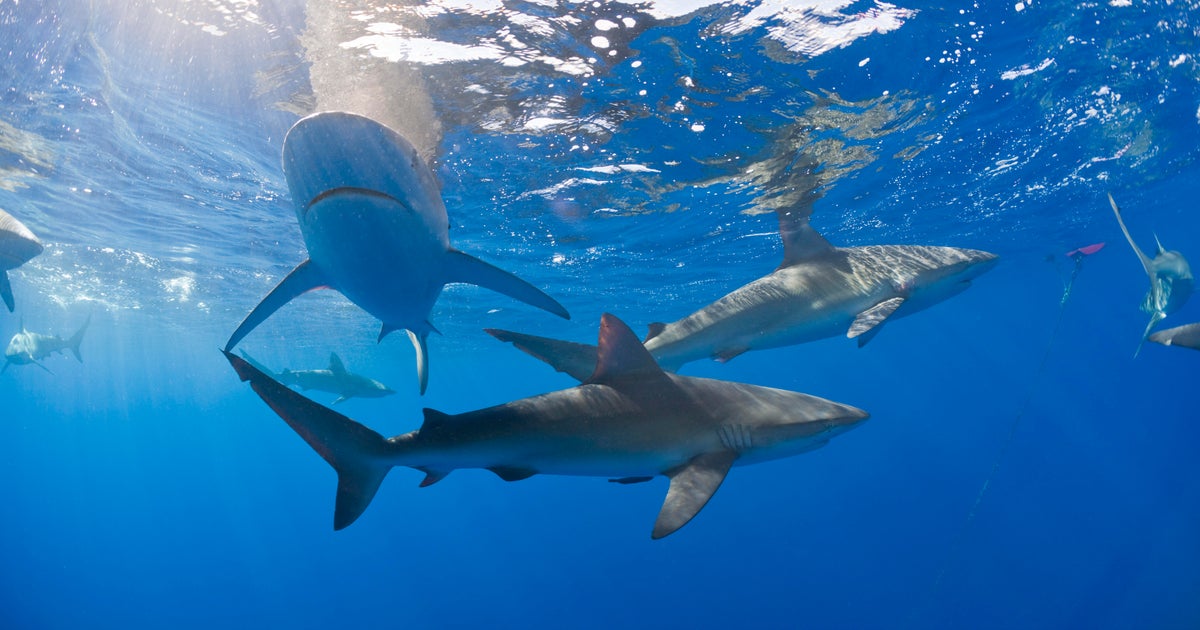
Marine scientists have made a disturbing discovery that highlights the growing problem of ocean pollution: sharks swimming in the waters around the Bahamas are carrying drugs and pharmaceuticals in their bloodstreams. An international team of marine biologists recently conducted a comprehensive study that analyzed blood samples from 85 sharks representing five different species. These sharks were captured approximately four miles offshore from a remote island, where researchers tested their blood for 24 different legal and illegal substances. The results were shocking – 28 of the sharks showed detectable levels of various contaminants, including caffeine, common over-the-counter anti-inflammatory painkillers, and in one particularly concerning case, cocaine. Some sharks even tested positive for multiple substances simultaneously, painting a troubling picture of how human activity is affecting marine life in ways we’re only beginning to understand.
This groundbreaking research represents the first study of its kind focusing on these contaminants in sharks within Bahamian waters. The findings raise serious questions about the health of marine ecosystems that many people assume are pristine and untouched. The researchers emphasized that medications, illicit drugs, and other human-introduced substances are “increasingly recognized as contaminants of emerging concern” in oceans and other bodies of water worldwide. Areas experiencing rapid urbanization and tourism-driven development face particularly high risks, as these substances make their way from human populations into the surrounding environment. The Bahamas, with its booming tourism industry and increasing development, appears to be a prime example of how even remote island ecosystems aren’t immune to the chemical footprint of human civilization.
Beyond the Cocaine: Why Caffeine and Pharmaceuticals Matter Just as Much
While the presence of cocaine in a shark’s bloodstream naturally captures headlines and public attention, lead author Natascha Wosnick, a zoologist and associate professor at Brazil’s Federal University of Parana, stressed that the widespread presence of caffeine and pharmaceuticals is equally concerning, if not more so. “While the detection of cocaine — an illicit substance — tends to draw immediate attention, the widespread presence of caffeine and pharmaceuticals in the blood of many analyzed sharks is equally alarming,” Wosnick explained in an email. The key difference is that caffeine and over-the-counter medications are legal substances that millions of people consume daily without giving much thought to where these chemicals end up after they’ve served their purpose in our bodies.
These everyday substances pass through our systems and into sewage systems, which often discharge treated (or sometimes untreated) wastewater into the ocean. The fact that these compounds are showing up in shark blood samples highlights an uncomfortable truth: our most normalized daily habits have an environmental footprint that extends far beyond what we can see. Wosnick emphasized that this discovery “underscores the need to critically reassess even our most normalized habits.” When we consider how many people consume coffee, energy drinks, and pain relievers daily in tourist destinations and coastal communities, it becomes clear how these substances accumulate in marine environments. The Bahamas, which welcomes millions of tourists annually, represents a microcosm of this broader issue – a paradise destination where human consumption patterns are literally changing the chemistry of the surrounding ocean and the creatures living in it.
Physical Impact: What These Substances Are Doing to Sharks
The research team didn’t just identify these substances in shark blood; they also documented measurable physical changes in the contaminated animals. The data revealed that sharks with detectable levels of drugs and pharmaceuticals showed alterations in metabolic markers, particularly those associated with stress responses and metabolism. While the researchers acknowledged that the long-term health implications remain unclear, these changes suggest that the substances are having real physiological effects on the animals. The concern extends beyond individual health to potential behavioral changes that could ripple through entire marine ecosystems.
Wosnick clarified that the primary concern isn’t necessarily that sharks will become more aggressive toward humans – a sensational worry that might naturally occur to people when they hear about sharks on cocaine. Instead, the real issue centers on “the health and stability of shark populations” as a whole. She explained that chronic exposure to these human-made compounds, many of which have no natural equivalent in marine environments, “may lead to negative effects that are still poorly understood.” Sharks play crucial roles as apex predators in marine ecosystems, helping maintain the balance of ocean food chains. If drug contamination affects their ability to hunt effectively, reproduce successfully, or survive to adulthood, the consequences could extend far beyond the shark population itself, potentially destabilizing entire ocean ecosystems that depend on these predators to function properly.
Previous Research and the “Cocaine Sharks” Investigation
This isn’t the first time researchers have explored the troubling intersection of sharks and drug contamination. Tracy Fanara, a marine biologist who worked on a 2023 Discovery TV show aptly titled “Cocaine Sharks,” conducted experiments that simulated cocaine exposure in sharks to observe potential behavioral impacts. According to Fanara, these experiments led to “strange behavior” that warrants further investigation. During filming, she documented what appeared to be a hammerhead shark actively pursuing a bale of fake cocaine, suggesting that the substance might affect shark behavior in unexpected ways. However, Fanara emphasized that the sensational aspect of sharks and cocaine wasn’t the point – the real goal was to highlight a serious environmental problem that affects all aquatic life and ultimately impacts human populations as well.
“My goal of this experiment was to shed light on the real problem of chemicals in our waterways and impacting our aquatic life and then eventually impacting us,” Fanara explained in 2023. She noted that the study was designed to determine whether this research question merited deeper exploration, and her conclusion was definitively positive. In another study from 2024, scientists examining sharks in Brazilian waters found that all 13 sharks tested showed high levels of cocaine and benzoylecgonine, the primary metabolite of cocaine, in their liver and muscle tissue. This consistency across different geographic regions suggests that drug contamination in shark populations isn’t an isolated phenomenon limited to one area but rather represents a widespread problem affecting marine life across multiple ocean regions. These studies collectively point to an urgent need for more comprehensive research into how these substances affect not just sharks but the broader marine food web.
How Drugs End Up in Ocean Waters
Understanding how these substances reach sharks requires examining the pathways through which human-consumed chemicals enter marine environments. When people consume caffeine, pharmaceuticals, or illicit drugs, these substances pass through the body and are excreted. Sewage treatment plants process this wastewater, but many facilities aren’t designed to remove pharmaceutical compounds and other chemicals completely. The treated water, still containing traces of these substances, is then discharged into rivers, bays, and oceans. In tourist-heavy destinations like the Bahamas, the volume of wastewater increases dramatically during peak seasons, potentially overwhelming treatment infrastructure and increasing the concentration of contaminants entering the ocean.
Cocaine and other illicit drugs follow additional pathways into the ocean. Drug smuggling operations in Caribbean waters sometimes result in packages being dumped overboard when authorities approach, and these packages can break open and leak their contents into the water. Additionally, cocaine production facilities in Central and South America may discharge waste products into rivers that eventually reach the ocean. The accumulation of these substances in shark tissues indicates that the contamination isn’t just a passing phenomenon – these animals are being exposed repeatedly and consistently enough that the drugs show up in their bloodstreams. The fact that some sharks tested positive for multiple substances simultaneously suggests they’re swimming in a chemical soup of human-generated pollutants that reflects our consumption patterns, both legal and illegal.
The Urgent Need for Action and Further Research
The researchers involved in this groundbreaking study emphasized that their findings highlight “the urgent need to address marine pollution in ecosystems often perceived as pristine.” This perception of pristineness is particularly important because it can lead to complacency about environmental protection in places like the Bahamas. When beaches are beautiful and waters appear crystal clear, it’s easy to assume everything is fine beneath the surface. However, chemical contamination isn’t visible to the naked eye, and by the time its effects become obvious through changes in animal populations or ecosystem collapse, the damage may be difficult or impossible to reverse.
Moving forward, the research team stressed that more data is essential to fully understand how cocaine, pharmaceuticals, caffeine, and other substances affect sharks and other marine wildlife. This isn’t just an academic question – it has practical implications for ocean health, fishing industries, tourism economies, and ultimately human health, since many people consume seafood that may have accumulated these same contaminants. The interconnectedness of marine ecosystems means that what affects sharks will eventually affect the species they prey upon and the species that depend on them. For island nations like the Bahamas, where the ocean is central to both cultural identity and economic prosperity, addressing this contamination isn’t optional – it’s essential for protecting the marine resources that millions of people depend upon for their livelihoods and sustenance. The presence of drugs in shark blood serves as a wake-up call, reminding us that even our most remote and beautiful ocean environments aren’t immune to the consequences of human activity and consumption patterns.