


Cuba-U.S. Talks: A Delicate Dance Amid Energy Crisis and Political Tensions
Revolutionary Leadership Guides Diplomatic Efforts
In a revealing interview that sheds light on Cuba’s current political landscape, President Miguel Díaz-Canel has confirmed that former President Raúl Castro remains actively involved in ongoing negotiations with the United States. The 94-year-old revolutionary leader, brother of the late Fidel Castro, continues to wield significant influence over the island nation’s political direction, despite having formally stepped down from his presidential role years ago. Speaking with Spanish leftist leader Pablo Iglesias in an interview that lasted over an hour and was broadcast through state media channels, Díaz-Canel emphasized that these diplomatic conversations are still in their preliminary stages and represent a collective effort by the Cuban government. The current president acknowledged that while he officially assumed the presidency in 2018, Castro’s revolutionary credentials and historical significance mean his voice carries tremendous weight in matters of national importance, particularly when it comes to relations with Cuba’s longtime adversary just ninety miles to the north. This revelation offers a window into how Cuba’s leadership structure operates, with the younger generation of political leaders still relying on the wisdom and experience of those who fought in the revolution that transformed the island nation over six decades ago.
Trump’s Aggressive Stance Intensifies Cuba’s Struggles
The backdrop to these diplomatic discussions couldn’t be more challenging for the Cuban people. President Donald Trump has adopted an increasingly aggressive posture toward Cuba, implementing what amounts to an oil blockade by threatening tariffs against any country that dares to provide petroleum products to the island. These threats, first made in late January, have been devastatingly effective—Cuba hasn’t received a single fuel shipment in three months. Trump has gone even further with his rhetoric, making the extraordinary claim that he would have “the honor of taking Cuba” soon, language that echoes a bygone era of American interventionism in Latin America. While the administration has formally softened some of its initial threats, the practical impact of the embargo remains brutally real for ordinary Cubans. This policy represents a sharp reversal from the Obama-era thaw in relations that Raúl Castro himself helped negotiate back in 2014, which led to the reopening of embassies and the re-establishment of diplomatic ties between the two nations. Trump’s approach has not only tightened existing sanctions but has pushed Cuba into what officials describe as an extreme energy blockade, exacerbating an already deep economic crisis and creating humanitarian concerns that have caught the attention of international observers and aid organizations.
Nationwide Blackouts Reveal Infrastructure Crisis
The human cost of these political tensions has become impossible to ignore as Cuba’s aging power grid continues to deteriorate under the strain of fuel shortages. In just the past week, the island has experienced two complete nationwide blackouts, plunging millions of people into darkness and bringing economic and social life to a near standstill. These aren’t brief interruptions—prolonged power outages have become the new normal for Cuban families, businesses, schools, and hospitals. The electricity crisis represents the visible manifestation of decades of underinvestment in infrastructure, compounded by the current fuel embargo that has left power plants without the diesel and other petroleum products needed to generate electricity. The situation has created cascading failures across Cuban society: without electricity, water pumps can’t function, food spoils in the tropical heat, businesses can’t operate, and essential services struggle to maintain even basic functions. The elderly and vulnerable populations are particularly at risk, as hospitals find it increasingly difficult to maintain the power needed for medical equipment and temperature-controlled medications. These blackouts aren’t just inconveniences—they represent a genuine humanitarian crisis that affects every aspect of daily life on the island, from the ability to prepare meals to maintaining communication with loved ones to simply keeping homes livable in the Caribbean heat.
International Aid and United Nations Concerns
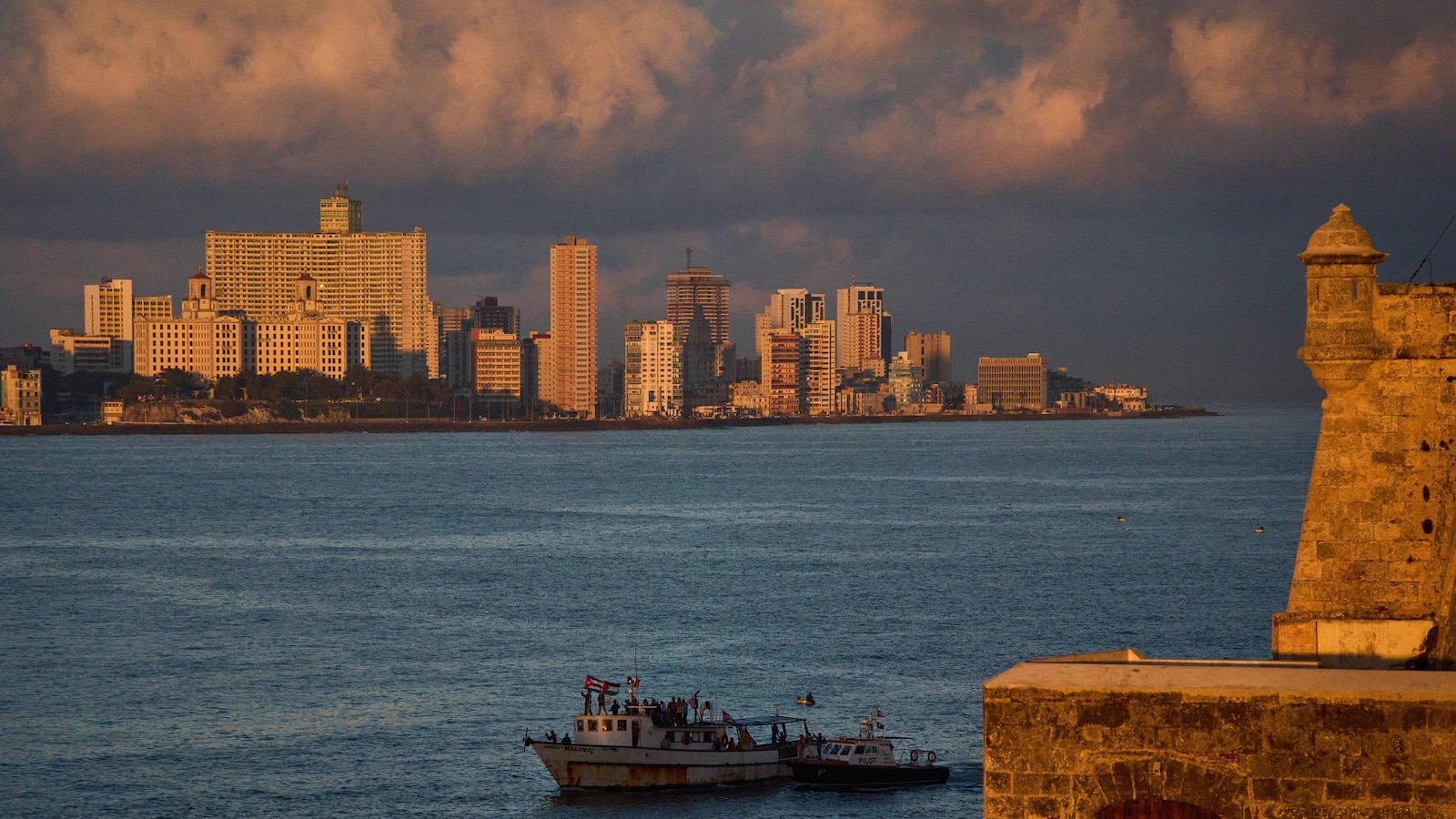
The severity of Cuba’s situation has prompted international response, with activists and humanitarian organizations recognizing the urgent need for assistance. Last week, some 600 activists from 33 different countries arrived in Cuba as part of a solidarity delegation bringing humanitarian aid to help alleviate the suffering of ordinary Cubans caught in the crossfire of geopolitical tensions. Pablo Iglesias, the Spanish leftist leader who interviewed Díaz-Canel, was part of this delegation, using his crowdfunded television channel, Canal RED, to bring international attention to Cuba’s plight. The United Nations has also weighed in, with officials issuing urgent appeals on Wednesday for solutions to what they describe as a rapidly spiraling crisis that is taking an increasingly severe human toll. Francisco Pichón, the UN Resident Coordinator in Cuba, didn’t mince words about the stakes involved, warning that “if the current situation continues and the country’s fuel reserves are depleted, we do fear an accelerated deterioration with the possible loss of lives.” UN officials have highlighted the desperate need for fuel to enter Cuba while also pointing to potential medium-term solutions like solar power infrastructure that could help keep critical facilities like schools, hospitals, and water pumping stations operational even during fuel shortages. The international community’s growing concern reflects recognition that whatever one’s political views on Cuba’s government, the humanitarian consequences of the current crisis extend far beyond politics to basic human welfare.
The Complex Path to Diplomatic Resolution
President Díaz-Canel took pains during his interview to explain the intricate and time-consuming nature of diplomatic negotiations, particularly between nations with such a long and complicated history as Cuba and the United States. “A process of conversations that leads to an agreement is a long process,” he told Iglesias, laying out the methodical steps required before any meaningful breakthrough can occur. According to the Cuban president, successful negotiations require first establishing reliable channels for dialogue, then identifying common interests that both parties share, and finally demonstrating genuine commitment to moving forward based on those shared agendas. This patient, incremental approach stands in stark contrast to Trump’s bombastic threats and ultimatums, highlighting the fundamental differences in diplomatic philosophy between the two sides. Díaz-Canel confirmed that Cuban officials and representatives from the U.S. State Department “held recent talks,” though he provided few details about the substance of those discussions or how far they’ve progressed. The Cuban president also took time to address what he characterized as speculation and attempts to portray divisions within Cuba’s revolutionary leadership, firmly denying any such rifts. He emphasized that Castro works “along with me and in collaboration with other branches of the (Communist) Party, the government, and the State” to guide the dialogue process, presenting a united front to the world even as Cuba navigates this perilous moment in its history.
Historical Context and Uncertain Future
Understanding the current moment requires appreciating the historical arc of U.S.-Cuba relations and the symbolic importance of the leaders involved. Raúl Castro isn’t just another retired politician—he’s a revolutionary who fought alongside his brother Fidel to overthrow the Batista regime in 1959, who helped navigate the Cuban Missile Crisis, who survived decades of American opposition, and who ultimately made the historic decision to reach out to President Obama for the diplomatic breakthrough of 2014. That Obama-era rapprochement, which Castro personally negotiated, represented the most significant warming of relations between the two countries in over half a century, offering hope that the Cold War animosity might finally give way to pragmatic coexistence. Díaz-Canel’s acknowledgment that Castro maintains “prestige earned with the people” and “historical recognition that no one can deny” reflects the older leader’s unique position in Cuban society—neither fully in power nor completely retired, but rather occupying a role as revolutionary elder statesman whose experience and perspective remain valued resources for the nation’s current leadership. As Cuba faces this moment of crisis, with its power grid failing, its economy struggling, and its people suffering, the involvement of a leader who has successfully navigated previous U.S. administrations may offer some hope for breaking the current impasse. However, with Trump’s aggressive rhetoric and willingness to use economic pressure as a political weapon, the path forward remains uncertain, leaving millions of Cubans wondering whether diplomacy will prevail or whether their hardships will continue indefinitely as their island becomes yet another front in America’s broader geopolitical strategies.