

Justice Department Expands Charges in Controversial St. Paul Church Protest Case
Major Expansion of Criminal Indictment Raises Legal Questions
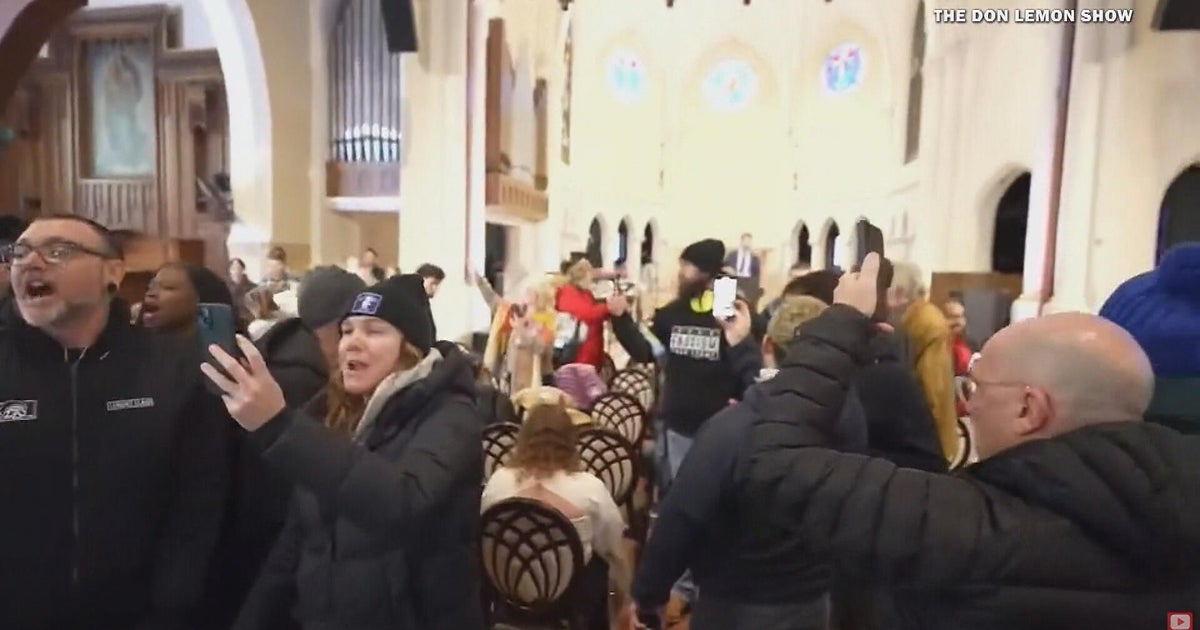
The Justice Department made headlines Friday by announcing charges against 30 additional individuals connected to an anti-ICE protest that took place in January at Cities Church in St. Paul, Minnesota. This dramatic expansion brings the total number of defendants to 39 people, including high-profile journalist and former CNN anchor Don Lemon. Attorney General Pam Bondi confirmed through social media that 25 of the newly charged individuals have already been arrested, with authorities actively pursuing the remaining suspects. The case has attracted significant attention not only because of Lemon’s involvement but also due to serious questions about the legal foundation of the charges themselves. The original nine defendants, including Lemon and fellow journalist Georgia Fort, have all entered not guilty pleas, setting the stage for what promises to be a contentious legal battle that could have far-reaching implications for First Amendment protections and the limits of federal authority in prosecuting civil rights cases.
Understanding the Charges and Legal Framework
The superseding indictment filed in the U.S. District Court for the District of Minnesota doesn’t introduce new criminal charges but rather extends the existing allegations to encompass more participants in the January protest. All 39 defendants face accusations of violating two separate civil rights laws. The first is a misdemeanor charge under the Freedom of Access to Clinic Entrances (FACE) Act, which makes it illegal to intimidate or interfere with individuals exercising their constitutional right to practice religion freely. The second, more serious charge is a felony count of conspiring to interfere with people’s religious rights. These charges stem from the protesters’ alleged actions during a demonstration against Immigration and Customs Enforcement (ICE) activities at the church. The FACE Act, passed by Congress in 1994, was originally designed to address the escalating problem of threats and intimidation that women faced when trying to access reproductive health clinics during a particularly volatile period in America’s ongoing debates about abortion rights. However, its application in this case marks a departure from its traditional use and has raised eyebrows among legal experts who question whether the law was ever intended to be applied in this manner.
Legal Experts Question the Case’s Foundation
Former Justice Department civil rights attorneys who spoke with CBS News have expressed serious doubts about the viability of this prosecution, with some predicting the case could ultimately be dismissed by the courts. Their skepticism centers on a fundamental constitutional issue: the section of the FACE Act that criminalizes interference at houses of worship may actually misrepresent the nature of rights protected under the First Amendment. These legal experts point out that the First Amendment’s protection of religious freedom is specifically designed to prevent government interference with individuals’ right to practice their faith. However, it does not create protections against interference by private citizens, which is exactly what the protesters and journalists charged in this indictment are—private individuals, not government actors. This distinction is crucial because it goes to the heart of whether the FACE Act can legally be applied in this situation. Historically, the Justice Department has primarily used the FACE Act to prosecute individuals accused of interfering with access to reproductive health clinics rather than houses of worship. This precedent exists because federal courts have established that interfering with access to reproductive health clinics impacts interstate commerce, giving the federal government clear jurisdiction under the Commerce Clause of the Constitution. The application of the same law to a protest at a church represents uncharted legal territory that may not hold up under judicial scrutiny.
A History of Judicial Skepticism in This Case
The current indictment isn’t the Justice Department’s first attempt to bring charges in this matter, and previous efforts have met with notable resistance from the judiciary. Before securing the grand jury indictment, prosecutors attempted to charge some defendants through a criminal complaint, a more direct route that requires judicial approval. A magistrate judge reviewed the evidence and rejected five arrest warrants, including those targeting the two journalists involved, finding insufficient probable cause to support the charges. This represents a significant judicial rebuke, as judges generally defer to prosecutors’ charging decisions unless the evidence is clearly lacking. The same magistrate judge also rejected the FACE Act charges against several other defendants on identical grounds—lack of probable cause. This pattern of judicial rejection suggests that the evidence supporting these charges may be weaker than what is typically required for federal prosecution. The fact that the government had to turn to a grand jury process after these initial failures raises questions about whether prosecutors are forum-shopping for a more favorable venue to secure their indictment. Grand juries operate quite differently from preliminary hearings before magistrate judges, with prosecutors presenting evidence without defense attorneys present and with a much lower standard for obtaining an indictment—the famous observation that prosecutors could “indict a ham sandwich” reflects this reality.
Journalists Challenge Grand Jury Process and Political Motivations
Don Lemon and Georgia Fort, the two journalists among the defendants, have taken the unusual step of asking the court to disclose the grand jury transcripts in their case. This request is extraordinary because grand jury proceedings are traditionally shrouded in secrecy, with transcripts rarely made public due to strict confidentiality rules designed to protect the integrity of the investigative process and the privacy of witnesses. In their filing, Lemon and Fort argue that the government’s conduct in this case has been so irregular and politically motivated that it warrants breaking from normal grand jury secrecy protocols. They write that “grand jury proceedings are presumed regular and, with some exceptions, ordinarily protected from outside scrutiny. But the government has squandered that presumption here. Its conduct has been highly unusual, nakedly political, and inconsistent with practice in this District.” The journalists contend that after multiple judges examined the government’s evidence against them and declined to approve charges due to insufficient probable cause, prosecutors essentially shopped their case to a grand jury to obtain the indictment that President Trump had publicly demanded. This allegation of political influence over prosecutorial decisions is serious, suggesting that the case may be driven more by political considerations than by sound legal judgment. Lemon and Fort argue that these circumstances “raise serious concerns about the government’s presentation to the grand jury,” implying that prosecutors may have presented evidence or legal arguments to the grand jury that wouldn’t withstand scrutiny in open court before an independent judge.
Broader Implications for First Amendment Rights and Federal Authority
This case has implications that extend far beyond the 39 individuals currently facing charges, potentially affecting how the federal government can regulate protests, journalism, and religious expression. If the prosecution succeeds, it could establish a precedent allowing federal authorities to criminalize a wide range of protest activities under the FACE Act, even when those protests don’t involve the abortion clinic access issues the law was designed to address. Civil liberties advocates worry this could have a chilling effect on legitimate protest activities, particularly those involving journalists covering demonstrations. The inclusion of two working journalists among the defendants is particularly concerning to press freedom organizations, who see it as potentially criminalizing newsgathering activities that are protected by the First Amendment. The case also raises questions about the appropriate scope of federal authority in prosecuting what are essentially local disturbances. The protest at Cities Church was a local event involving local protesters and local law enforcement jurisdiction. The federal government’s decision to pursue charges under a civil rights statute may represent federal overreach into matters traditionally handled by state and local authorities. As this case moves forward through the courts, it will likely face rigorous constitutional challenges that could ultimately define the limits of the FACE Act and clarify the relationship between federal civil rights enforcement and First Amendment protections for both religious exercise and protest activities. The outcome will be watched closely by legal scholars, civil liberties organizations, religious freedom advocates, and journalists nationwide.