



Ecuador Launches Major Military Offensive Against Drug Cartels with U.S. Support
A Nation Declares War on Organized Crime
Ecuador has entered what government officials are calling a state of war against drug trafficking organizations. On Sunday, the South American nation launched an ambitious two-week military operation with backing from the United States, marking the latest chapter in President Daniel Noboa’s ongoing battle against the powerful cartels that have transformed his country into a major drug transit hub. Interior Minister John Reimberg didn’t mince words when addressing citizens: “We’re at war. Don’t take any risks, don’t go out, stay home.” This stark warning reflects the gravity of the situation facing Ecuador, where drug-related violence has spiraled despite two years of aggressive enforcement efforts. The operation represents one of the most significant shows of force yet in Noboa’s administration, with approximately 35,000 soldiers being deployed alongside armored vehicles and helicopters to areas most devastated by cartel violence. The massive mobilization demonstrates the government’s determination to reclaim control over territories that have fallen under the shadow of organized crime.
The Alliance Against Cartels and Ecuador’s Strategic Role
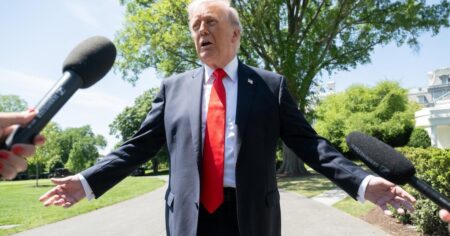
This joint operation comes as part of a broader international coalition, a 17-country cartel-fighting alliance that President Donald Trump launched at a summit earlier this month. Ecuador’s President Daniel Noboa has emerged as one of Trump’s strongest allies in Latin America, aligning his country’s security priorities with the United States’ renewed focus on combating drug trafficking in the region. The partnership reflects the critical geographic position Ecuador occupies in the international drug trade—approximately 70 percent of cocaine produced by Colombia and Peru, the world’s first and second-largest producers respectively, passes through Ecuadorian territory on its way to international markets. This strategic location has made Ecuador an indispensable transit point for cartels, but it has also made the country a battleground where competing criminal organizations fight for control of trafficking routes. The collaboration with the United States brings significant resources and intelligence capabilities to Ecuador’s fight, though the exact nature of American involvement in these current operations remains somewhat unclear. Previous joint operations have included U.S. forces operating directly on Ecuadorian soil, a controversial but apparently necessary measure given the sophistication and firepower of the cartels.
Dramatic Security Measures and Show of Force
The scale and intensity of this operation are unprecedented even by recent Ecuadorian standards. Nighttime curfews have been imposed across four coastal provinces—Guayas, Los Rios, Santo Domingo de los Tsachilas, and El Oro—for the duration of the two-week campaign. These provinces have been at the epicenter of Ecuador’s drug violence crisis, experiencing soaring rates of murders, disappearances, and extortion that have terrorized local communities and disrupted daily life. Residents in these areas now face strict restrictions on movement during nighttime hours, a measure that underscores the government’s recognition that extraordinary circumstances demand extraordinary responses. Images and videos released by authorities show an impressive display of military might: convoys of armored vehicles rolling through streets, military helicopters conducting aerial surveillance, and thousands of heavily armed soldiers taking up positions throughout the targeted areas. Interior Minister Reimberg sent an unambiguous message to criminal organizations through social media: “To the mafias: your time is up. Nothing can stop us.” This bold declaration signals the government’s intention to break the power of cartels that have operated with relative impunity in some regions, essentially functioning as parallel authorities that challenge the state’s monopoly on legitimate force.
The Stubborn Reality of Persistent Violence
Despite the impressive scale of this latest operation, Ecuador faces a sobering reality: two years of aggressive anti-cartel efforts under President Noboa have not produced the desired results in reducing associated crimes. Murder rates remain high, disappearances continue, and extortion has become so commonplace in some areas that businesses routinely factor protection payments into their operating costs. This persistence of violence despite sustained government pressure reveals the deeply entrenched nature of organized crime in Ecuador and the adaptability of cartels in responding to law enforcement efforts. The criminal organizations operating in Ecuador are sophisticated enterprises with international connections, substantial financial resources, and the ability to corrupt officials, intimidate witnesses, and recruit new members from economically desperate populations. Each time authorities dismantle one cell or arrest cartel members, others quickly move to fill the vacuum, sometimes triggering even more violence as rival groups compete for newly available territory and trafficking routes. This dynamic creates a frustrating cycle where military operations may achieve tactical successes—arresting suspects, seizing drugs and weapons, disrupting operations—without achieving the strategic goal of substantially reducing the overall level of criminal activity and violence affecting ordinary Ecuadorians.
Recent Operations and Expanding U.S. Involvement
The current two-week operation builds on a series of increasingly aggressive actions taken in recent weeks. Earlier this month, U.S. and Ecuadorian forces conducted joint strikes inside Ecuador, coordinating their efforts to target high-value criminal infrastructure and leadership. In a dramatic demonstration of both countries’ commitment to disrupting maritime drug trafficking, Ecuador’s military successfully located and sank a “narco submarine” near the country’s northern border—one of the sophisticated semi-submersible vessels that cartels use to transport multi-ton cocaine shipments while evading detection. These vessels represent a significant investment for criminal organizations and sinking them inflicts both financial damage and operational disruption. The expanding partnership between Ecuador and the United States received further reinforcement last week when the FBI announced plans to open an office in Ecuador. This permanent presence will focus on investigating organized crime, money laundering, and corruption in conjunction with local law enforcement agencies. The FBI’s decision to establish operations in Ecuador signals American recognition of the country’s critical importance in the drug trafficking ecosystem and suggests a long-term commitment to addressing the problem. The new office will presumably provide sophisticated investigative techniques, financial analysis capabilities, and intelligence resources that can complement Ecuador’s military approach with efforts to dismantle the financial networks and corrupt relationships that enable cartels to function.
The Long Road Ahead in Ecuador’s Drug War
Ecuador’s latest offensive represents a significant escalation in the government’s confrontation with drug trafficking organizations, but realistic observers recognize that this two-week operation, however massive in scale, cannot solve problems that have developed over years and are rooted in complex economic, geographic, and social factors. The country’s position between the world’s leading cocaine producers and international markets makes it inherently valuable to trafficking organizations, ensuring that criminal groups will continue attempting to operate there regardless of enforcement pressure. The challenge for President Noboa and his government extends beyond simply deploying military force; they must also address the underlying conditions that make drug trafficking attractive and possible, including poverty that makes cartel recruitment easy, corruption that allows criminal operations to continue, and weak institutions that struggle to provide security and justice. The partnership with the United States brings valuable resources and capabilities, but it also raises questions about sovereignty and the appropriate role of foreign military and law enforcement personnel operating within Ecuador. As the two-week operation unfolds, Ecuadorians living under curfews and amid massive military deployments will be watching for tangible improvements in their safety and quality of life. The government’s bold rhetoric—declaring war on cartels and promising that nothing can stop them—has set high expectations that will be measured not in arrests or drug seizures alone, but in whether ordinary people can live without fear of violence, extortion, and the corrupting influence of organized crime. The coming weeks will test whether overwhelming force can break the cycle of violence that has resisted Ecuador’s previous efforts, or whether the cartels will once again demonstrate their resilience and adaptability in the face of government pressure.