


A Community Mourns: The Tragic Death of Royer Perez Jimenez in ICE Custody
A Funeral Filled with Grief and Unanswered Questions
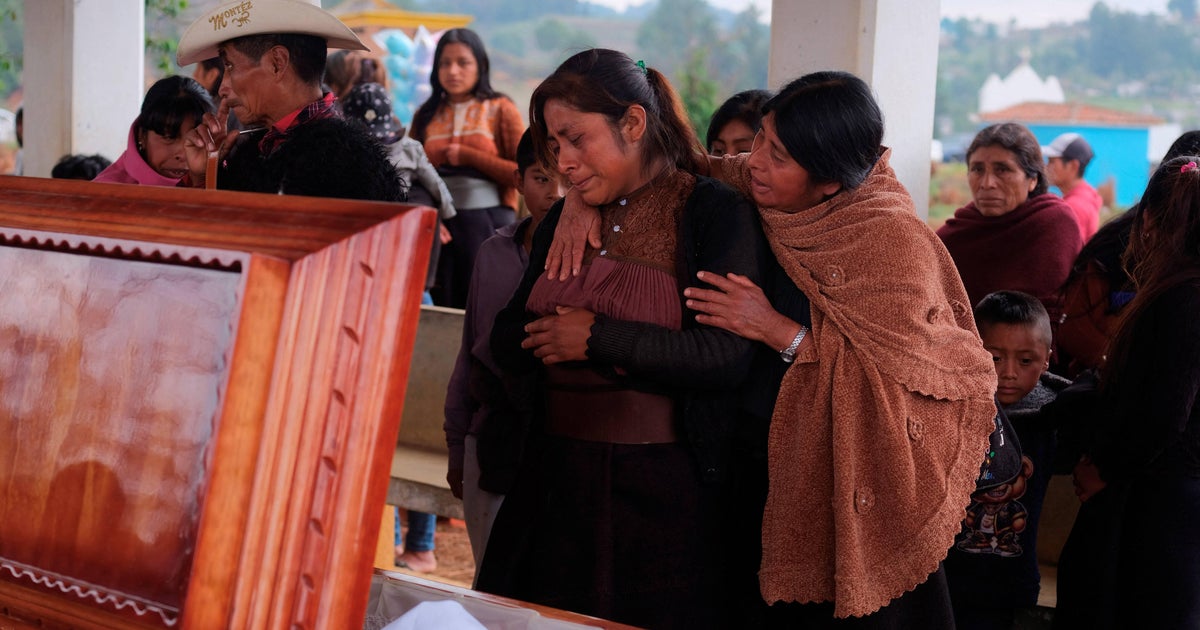
On a somber Saturday in the Tzotzil indigenous community of San Juan Chamula in Chiapas, Mexico, hundreds of mourners gathered to say their final goodbyes to Royer Perez Jimenez, a 19-year-old who left his home with dreams of a better future but returned in a coffin. The young man’s death in U.S. Immigration and Customs Enforcement custody on March 16 has left his family devastated and searching for answers. As relatives and friends carried his coffin through their close-knit community, tears flowed freely, and anger simmered beneath the surface of their grief. His uncle, Manuel Perez, spoke passionately about the injustice he believes his nephew suffered, claiming that the charges against Royer were “fabricated” and that the circumstances of his death remain deeply suspicious. The family received Royer’s body on Thursday, just days before the funeral, and since then, they have been vocal about their doubts regarding the official narrative of what happened to this young man who had left home at just 15 years old in pursuit of the American dream.
A Young Man’s Dream Cut Short
Royer Perez Jimenez was not just another statistic in the immigration debate; he was a hardworking teenager with hopes and aspirations. According to his uncle Manuel, Royer immigrated to the United States at the tender age of 15, driven by the universal desire to “triumph and help his family.” This is a story repeated thousands of times across Latin America—young people leaving behind everything familiar, risking dangerous journeys, all in the hope of earning money to support their loved ones back home. Royer’s family remembers him as a dedicated worker, someone who took his responsibilities seriously and was committed to making a better life for himself and contributing to his family’s wellbeing. The municipality of San Juan Chamula, where Royer grew up, is located in one of Mexico’s poorest states, where opportunities are limited and economic hardship is a daily reality for many families. For young people like Royer, migration often seems like the only viable path to escaping poverty and building a future. His family had placed their hopes in him, and he had been working toward fulfilling those dreams when his life was tragically cut short in a Florida detention center, thousands of miles from home.
Disputed Charges and Language Barriers
The circumstances that led to Royer’s detention raise serious questions about fairness and due process for non-English speaking detainees. In January, Royer was arrested on suspicion of resisting arrest and giving false identity information to law enforcement officers. However, his family vehemently disputes these charges, pointing to a critical factor that may have led to the entire tragic chain of events: Royer was not fluent in English. His uncle Manuel explained that Royer was likely confused during his interaction with law enforcement, unable to properly communicate or understand what was being asked of him due to the language barrier. This situation highlights a systemic problem that affects countless immigrants who find themselves entangled in the U.S. legal system without adequate language support or interpretation services. Manuel Perez was unequivocal in his assessment of the situation: “He was unjustly accused as a criminal. … They fabricated a crime.” The family believes that what should have been, at worst, a minor misunderstanding escalated into criminal charges because of communication failures and perhaps bias against a young immigrant who couldn’t effectively advocate for himself. This case raises important questions about how language barriers can transform innocent confusion into criminal accusations, with devastating consequences.
A Death Shrouded in Doubt
While ICE officials have stated that Royer’s death appeared to be a suicide, his family strongly contests this conclusion and is demanding a thorough investigation into what really happened. Manuel Perez expressed the family’s suspicions clearly: “What we want is a thorough investigation because, unfortunately, we do not believe suicide was the cause of his death, rather we suspect it was probably a homicide.” The family’s skepticism is not without context—deaths in detention facilities have historically been subject to questions about transparency and accountability. According to ICE’s own records, Perez Jimenez underwent medical evaluation when he arrived at the immigration detention center in late February and reportedly answered “no” to all suicide screening questions. This detail makes the official explanation even more puzzling for the family. Why would a young man who showed no signs of suicidal ideation suddenly take his own life? The family’s grief is compounded by these unanswered questions, and they are determined not to let their son’s death be swept under the rug or dismissed without a proper investigation. They want accountability, transparency, and above all, the truth about what happened during Royer’s final days and hours. For them, accepting the official narrative without question would be a betrayal of Royer’s memory.
An Alarming Trend in Detention Deaths
Royer Perez Jimenez’s death is not an isolated incident but part of a deeply troubling pattern. According to official figures, at least 14 migrants of various nationalities died in ICE custody during 2026 alone, and this number represents just part of a larger crisis. The previous year, 2025, saw 31 ICE detainees die—marking a two-decade high in detention deaths. Even more specifically, 14 Mexican nationals have died after contact with U.S. immigration authorities since President Trump began his second term in January 2025. These statistics tell a story of a system under strain, where the safety and wellbeing of detained individuals appears to be increasingly compromised. The rising death toll coincides with ICE’s detention population reaching record highs amid the Trump administration’s aggressive crackdown on illegal immigration. As of early February, ICE was holding more than 68,000 people in detention centers across the United States—an unprecedented number that has stretched resources and raised serious concerns about conditions in these facilities. But the problem goes beyond just overcrowding. Even when accounting for the increased number of people in detention, 2025 had the highest death rate—5.6 people per 10,000 detainees—since 2020, when the COVID-19 pandemic created extraordinary circumstances. This analysis reveals that something fundamental has changed in how detention facilities are operating, and the human cost is being measured in lives lost.
Justice and Accountability in Immigration Detention
The funeral of Royer Perez Jimenez in San Juan Chamula represents more than the mourning of one young man; it symbolizes the human cost of immigration policies and detention practices that critics argue prioritize enforcement over human dignity and safety. As his community gathered to honor his memory, they also stood in solidarity with his family’s demand for answers and accountability. The images of relatives and friends crying as they watched his coffin, captured by photographers, serve as a powerful reminder that behind every statistic and policy debate are real people with families who love them, communities that valued them, and futures that will never be realized. The case raises fundamental questions about how immigrants are treated in U.S. detention facilities, whether adequate mental health services are provided, how language barriers are addressed in both legal proceedings and detention settings, and what mechanisms exist to ensure transparency and accountability when deaths occur. For the Perez family and the hundreds who gathered for Royer’s funeral, these are not abstract policy questions but matters of life and death, justice and injustice. As they laid Royer to rest in his hometown, his family and community made clear that they will continue to seek the truth about what happened to him and to demand that those responsible for his care and custody be held accountable. His death, tragic and preventable as his family believes it was, has become a rallying point for those advocating for reform in how immigrants are detained and treated in the United States.