
Hong Kong Court Overturns Fraud Conviction Against Pro-Democracy Icon Jimmy Lai
A Rare Legal Victory Amid Ongoing Imprisonment
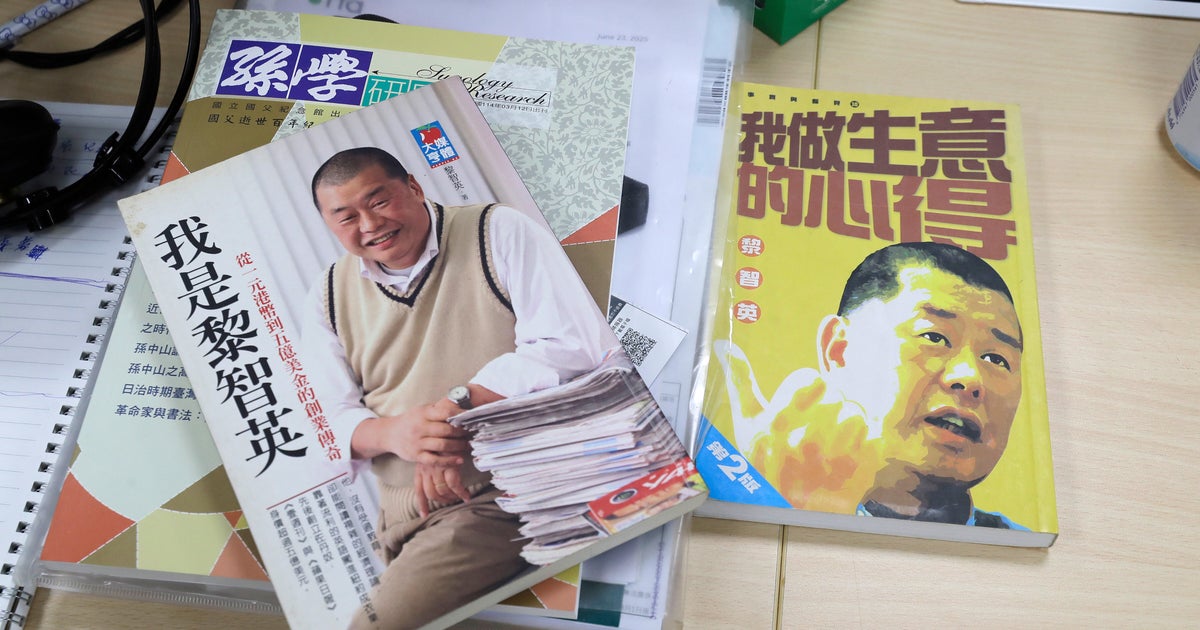
In an unexpected turn of events that offers a glimmer of hope in an otherwise bleak situation, a Hong Kong appellate court has reversed fraud convictions against Jimmy Lai, the 78-year-old former media mogul and passionate pro-democracy advocate. While this represents a rare legal win for the outspoken critic of China’s Communist Party leadership, the victory is bittersweet—Lai remains behind bars serving a lengthy sentence from a separate case. The media pioneer, who founded the now-shuttered Apple Daily newspaper, was recently handed a devastating 20-year prison term after being convicted under Hong Kong’s controversial China-imposed national security law. This December conviction involved charges of conspiring to collude with foreign forces to endanger national security and conspiring to publish seditious materials, crimes that could have resulted in a life sentence. This punishment stands as the harshest penalty delivered since Beijing imposed the national security law in 2020, a piece of legislation that effectively silenced dissenting voices throughout Hong Kong. Lai’s prolonged legal ordeal began more than five years ago when he was first arrested, marking the beginning of a sustained crackdown that has targeted many of Hong Kong’s most prominent democratic activists and effectively dismantled the territory’s once-vibrant civil society.
The Overturned Fraud Case and Its Legal Foundations
The fraud conviction that was overturned on Thursday originated from a case that many observers considered questionable from the start. Prosecutors had alleged that a consultancy firm under Lai’s control had improperly used office space that his media business had rented specifically for publication and printing operations. Back in 2022, Lai received a sentence of five years and nine months in prison after being found guilty on two fraud charges related to this alleged misuse of leased property. The lower court judge who initially convicted Lai and his co-defendant Wong Wai-keung determined that they had deliberately concealed the consultancy firm’s occupation of the space, thereby violating the terms of their lease agreement. The judge accused Lai of using his media organization as a protective shield to hide this supposed deception and additionally imposed a fine of 2 million Hong Kong dollars (approximately $257,000) on the media tycoon. However, the appellate judges found significant flaws in this reasoning and legal interpretation, leading to their decision to overturn the conviction entirely.
The Appellate Court’s Reasoning and Legal Analysis
The judges at the Court of Appeal provided detailed reasoning for their decision to reverse the fraud convictions. In their written judgment, they acknowledged that while Apple Daily Printing had technically breached the lease terms by permitting the consultancy firm to utilize a portion of the office space, the company did not have a legal duty to disclose this breach to the landlord or authorities. More importantly, even if such a duty had existed and had been violated, the appellate judges determined that this failure could not legally be attributed to Lai and Wong as individuals under the applicable law. The judges were particularly critical of the trial judge’s logic, stating that his “reasoning in concluding that the applicants were liable for the concealment as the prosecution contended is unsupportable.” Furthermore, they ruled that prosecutors had failed to meet the crucial legal standard of proving beyond reasonable doubt that the defendants had made false representations regarding the use of the space. This failure to meet the burden of proof led the appellate court to throw out both the convictions and the sentences entirely, marking a significant rebuke of the lower court’s handling of the case.
Impact on Lai’s Overall Sentence and International Response
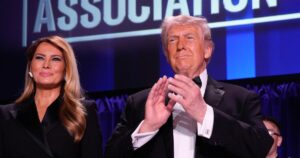
Neither Lai nor his co-defendant Wong appeared in court for the ruling, as both remain incarcerated on other charges. While the overturned conviction could theoretically reduce Lai’s total prison time, the practical impact may be limited due to how his sentences were structured. The judges presiding over Lai’s national security case had previously allowed the two sentences to run concurrently for only two years, with the remaining 18 years of the national security sentence to be served after completion of the fraud sentence. The Hong Kong government responded to the appellate decision by announcing that the Department of Justice would thoroughly study the judgment and consider whether to appeal to a higher court. In their statement, officials maintained that although the Court of Appeal found the contract breach didn’t meet the threshold for fraud, “it didn’t change the fact that Lai had used the office space for illegitimate personal purposes.” The lengthy 20-year national security sentence has generated serious concerns internationally that Lai, now 78 years old, could realistically spend the remainder of his life imprisoned. His children have publicly expressed hope that an upcoming visit by U.S. President Donald Trump to Beijing might provide an opportunity to secure their father’s release, particularly given that Lai holds British citizenship. The White House has confirmed Trump’s travel plans to China from March 31 through April 2 to meet with Chinese leader Xi Jinping, though it remains unclear whether Lai’s case will be discussed.
International Condemnation and Calls for Release
The international community has responded with increasing alarm to Lai’s imprisonment and harsh sentencing. U.K. Foreign Secretary Yvette Cooper has been particularly vocal, stating clearly that Lai was sentenced for exercising his fundamental right to freedom of expression. Cooper has called on Hong Kong authorities to release the elderly media figure on humanitarian grounds, given his age and health concerns. Lai’s case has become emblematic of the broader erosion of civil liberties and press freedom in Hong Kong since the implementation of the national security law. His plight has evoked widespread grief over the city’s loss of media independence and sparked international outcry from democratic governments, human rights organizations, and journalism advocacy groups worldwide. However, Hong Kong authorities have consistently pushed back against these criticisms, insisting that Lai’s prosecution and conviction had nothing to do with media independence or freedom of the press, but rather concerned legitimate criminal conduct and national security threats. This narrative has been widely rejected by international observers who view the charges as politically motivated persecution designed to silence one of Beijing’s most prominent critics.
The Broader Context of Hong Kong’s Democratic Decline
Chinese and Hong Kong authorities have vigorously defended Lai’s sentencing in the national security case, arguing that it accurately reflects the spirit of the rule of law and demonstrates the government’s commitment to legal principles. They have repeatedly insisted that the national security law is absolutely necessary for maintaining Hong Kong’s stability and preventing foreign interference in the territory’s affairs. However, critics argue that the law has fundamentally transformed Hong Kong’s legal landscape and dismantled the “one country, two systems” framework that was supposed to preserve the territory’s autonomy and civil liberties until 2047. Since the law’s implementation in 2020, it has been used to arrest and prosecute dozens of pro-democracy activists, politicians, journalists, and ordinary citizens for activities that would be considered protected speech in democratic societies. The crackdown has extended beyond individual prosecutions to include the forced closure of independent media outlets like Apple Daily, the disbanding of civil society organizations, and the elimination of meaningful political opposition. Lai’s case represents perhaps the most high-profile example of this broader suppression of dissent, and his fate has become a litmus test for whether Hong Kong can maintain any semblance of its former freedoms. As the international community watches closely, the question remains whether diplomatic pressure, including potential discussions during Trump’s visit to China, can make any difference in securing justice for Lai and reversing Hong Kong’s democratic decline, or whether the territory has irreversibly transformed into just another Chinese city under Beijing’s complete control.