

Navigating Airport Security During Government Shutdowns: A Traveler’s Guide
Understanding the Impact of TSA Staffing Shortages on Your Travel Plans
When government shutdowns occur, one of the most visible impacts on everyday Americans is the effect on air travel. During recent shutdowns, Transportation Security Administration (TSA) officers have faced the difficult reality of working without receiving paychecks for extended periods. This situation has led to significant staffing challenges, with approximately 10% of the TSA’s workforce of roughly 50,000 officers calling out sick during particularly challenging periods. After going more than a month without pay, these essential workers have faced impossible choices between showing up to work and taking care of their families’ immediate financial needs. The ripple effects of these absences have been felt by travelers nationwide, transforming what should be routine airport experiences into lengthy, stressful ordeals.
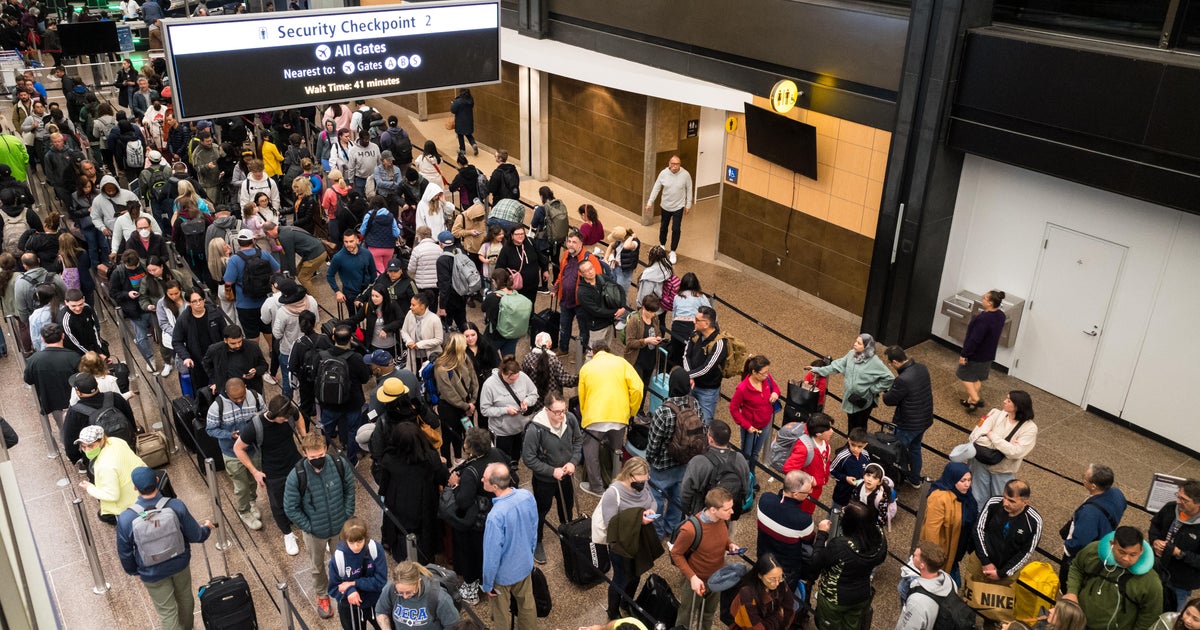
The consequences of understaffing have been dramatic at some of the nation’s busiest airports. For instance, Houston’s George Bush Intercontinental Airport experienced security line wait times reaching up to two hours during peak periods. While officials have warned that smaller airports could potentially face closure due to severe staffing shortages, the nation’s airports have managed to remain operational, though with significantly degraded service levels. The situation creates a challenging environment for travelers who must now factor in considerably more time for airport security processes. These extended wait times aren’t expected to improve until government funding is restored and TSA officers finally receive the paychecks they’ve earned, making it essential for travelers to plan ahead and stay informed about current conditions at their departure airports.
Essential Tools for Checking Security Wait Times Before You Leave Home
In today’s connected world, travelers have several reliable resources at their fingertips to check security checkpoint wait times before heading to the airport. The first and often most accurate source of information is the official website of your departure airport. Major airports like John F. Kennedy International Airport in New York City have implemented real-time tracking systems that display current wait times across different terminals and security lanes. These websites typically distinguish between standard security lanes and expedited options like TSA PreCheck, giving travelers a clear picture of what to expect. The information updates continuously throughout the day, reflecting the dynamic nature of airport traffic patterns. Many airports include prominent warnings during periods of government uncertainty, advising passengers that wait times may be longer than usual and encouraging travelers to arrive earlier than they normally would.
Beyond individual airport websites, the TSA has developed its own mobile application called MyTSA, which serves as a comprehensive resource for security information delivered directly to passengers’ smartphones. This app goes beyond simple wait time reporting by aggregating historical data about airport traffic patterns, helping travelers understand when their particular airport is likely to be busiest. For example, if you’re flying out on a Friday afternoon, the app can show you typical wait times for that day and time based on past data, while also displaying current conditions. Third-party tracking websites like AirlineAirport.com offer another layer of information, allowing travelers to search by airport and access up-to-date wait time data across the entire country. These various tools work best when used in combination, giving travelers multiple data points to make informed decisions about when to leave for the airport. As Scott Keyes, founder of the flight deals site Going.com, wisely noted, checking airport wait times before you leave is just as important as checking traffic conditions for any important trip—it’s a simple step that can save you from missing your flight or experiencing unnecessary stress.
Strategies to Speed Through Security Even During Staffing Shortages
While you can’t control staffing levels at TSA checkpoints, you can take proactive steps to minimize your wait time and move through security more efficiently. The most effective long-term strategy is enrolling in TSA PreCheck, a trusted traveler program that allows pre-approved passengers to use expedited security lanes. PreCheck members don’t need to remove shoes, laptops, liquids, belts, or light jackets during screening, which significantly speeds up the process. Even during government shutdowns when regular security lines may be experiencing extreme delays, PreCheck lanes typically maintain much shorter wait times because they serve a more limited pool of travelers and the screening process itself is streamlined.
For travelers looking to maximize efficiency even further, TSA’s “Touchless ID” program represents the cutting edge of airport security technology. Currently available at 65 airports nationwide and growing, this program allows enrolled passengers to verify their identity without handing over physical documents or boarding passes. Five major airlines—Alaska, American, Delta, Southwest, and United—currently participate in this program, making it accessible to a significant portion of air travelers. Scott Keyes, who has personal experience with the touchless ID system, described the process as “substantially faster” than traditional methods. The combination of TSA PreCheck and Touchless ID creates the most efficient security experience currently available to travelers. Another practical tip from experts is to avoid checking luggage whenever possible. By traveling with only carry-on bags, you eliminate potential delays at baggage screening and reduce your overall time in the airport. While carry-on bags still go through X-ray screening, the process is typically faster than the additional scrutiny checked luggage may receive, and you’ll save time on the back end by not having to wait at baggage claim.
The Broader Context: Safety and Efficiency During Government Shutdowns
An important question on many travelers’ minds during government shutdowns is whether flying remains safe when federal workers aren’t being paid. Aviation experts and officials have consistently maintained that air travel safety is not compromised during shutdowns, as the Federal Aviation Administration (FAA) prioritizes safety above all other considerations. Air traffic controllers, like TSA officers, are deemed essential personnel and must continue working even without paychecks. However, the absence of some key personnel who may call out sick or the furlough of non-essential workers who support various aspects of aviation operations can create secondary effects that impact the efficiency of the air travel system.
When staffing shortages occur in certain positions, the FAA may implement what are called “ground delay programs” or temporarily reduce the rate of flights into busy airports to maintain safety margins with fewer personnel on duty. This means that while your flight is just as safe as it would be during normal operations, you may experience more delays and flight disruptions. The Federal Aviation Administration’s conservative approach to safety means they would rather slow down operations than risk compromising the extraordinary safety record of commercial aviation in the United States. For passengers, this translates into flying being safe but potentially much more inconvenient and frustrating during government shutdowns. The cascading effects of delays can ripple through the entire air traffic system, as planes and crews get out of position, leading to cancellations and extended delays even at airports that aren’t directly experiencing severe staffing shortages.
Planning Your Airport Arrival: How Much Extra Time Do You Really Need?
The traditional advice to arrive two hours before domestic flights and three hours before international flights may not be sufficient during periods of government shutdown and TSA staffing challenges. Travel experts suggest adding at least an additional 30 to 60 minutes to your normal airport arrival time when TSA officers are calling out sick in significant numbers. However, the specific amount of extra time you should allow depends on several factors: the size and typical traffic levels of your departure airport, the day of the week and time of day you’re flying, and whether you have access to expedited screening programs like TSA PreCheck.
For travelers departing from major hub airports during peak travel times—typically early morning, late afternoon, and evening hours—the situation demands even more caution. If you’re flying from a large airport like Atlanta, Chicago O’Hare, Los Angeles, or the New York area airports during a shutdown, consider arriving a full three hours before even domestic flights. The stakes are simply too high to cut it close: missing your flight could mean expensive rebooking fees, missed connections, and disrupted travel plans. On the other hand, if you’re traveling from a smaller regional airport during off-peak hours and you have TSA PreCheck, you may not need quite as much buffer time. The key is to check real-time wait times using the tools mentioned earlier on the actual day of your travel and make your decision based on current conditions rather than assumptions. Remember that airport conditions can change rapidly throughout the day, so information from even a few hours earlier may not reflect what you’ll encounter. When in doubt, err on the side of caution and arrive earlier—you can always find ways to occupy extra time at the airport, but you can’t turn back time if you arrive too late and miss your flight.
Looking Forward: Preparing for Future Travel Disruptions
Government shutdowns are unfortunately becoming a recurring feature of American political life, which means air travelers need to develop strategies for navigating these periodic disruptions. The experiences of recent shutdowns have taught us that being informed, flexible, and prepared are the keys to minimizing stress during uncertain times. Make a habit of checking official sources for information rather than relying on secondhand reports or assumptions. Bookmark the websites of airports you frequently use, download the MyTSA app if you’re a regular traveler, and consider the long-term value of enrolling in TSA PreCheck or similar trusted traveler programs—the modest cost and time investment for these programs can pay dividends many times over across years of travel.
It’s also worth developing a mindset of empathy toward the TSA officers and other federal workers who are caught in the middle of political disputes beyond their control. These professionals are being asked to perform essential security functions while facing personal financial hardship, a situation that would challenge anyone. A little patience and understanding can go a long way toward making the experience better for everyone involved. Finally, stay flexible in your travel planning when possible. If you can avoid flying during the peak of a government shutdown, or if you can choose less busy travel times, you’ll face fewer complications. While we can’t control when government funding lapses occur, we can control how we prepare for and respond to the challenges they create. By staying informed, arriving early, using available tools and programs, and maintaining realistic expectations, travelers can successfully navigate airport security even during the most challenging circumstances of government shutdowns.