


Pentagon Ends Military Graduate Programs at Elite Universities
Defense Secretary Targets Ivy League Schools Over Ideological Concerns
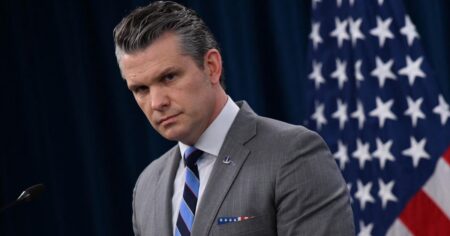
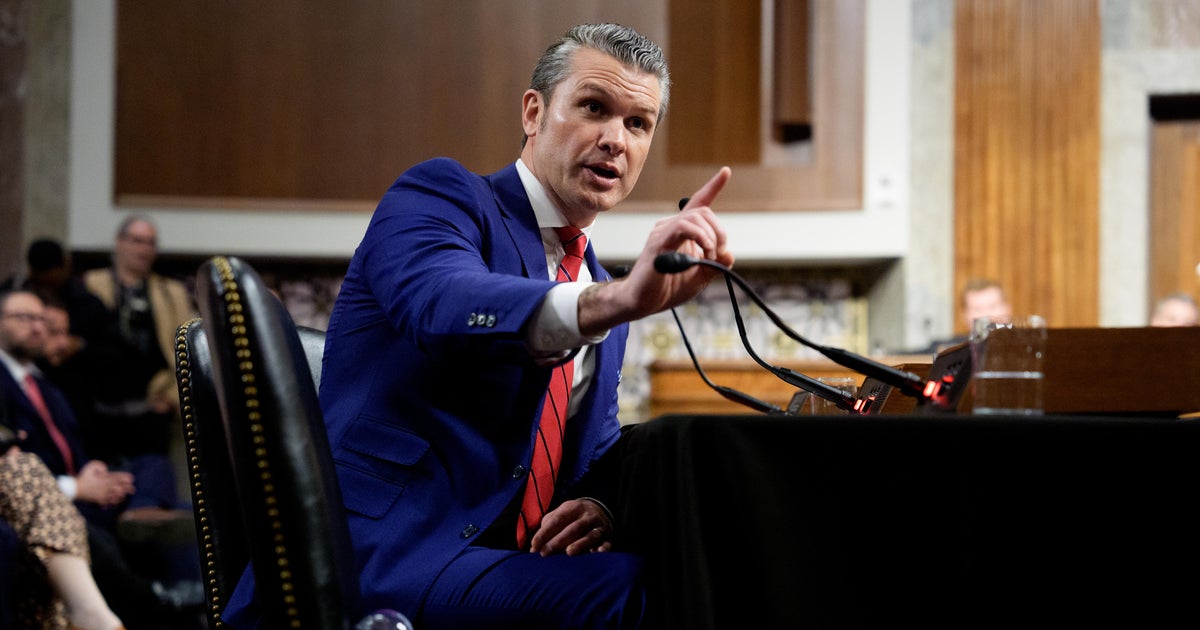
In a significant policy shift announced Friday, Defense Secretary Pete Hegseth revealed that the Pentagon will discontinue sending military personnel to graduate programs at several prestigious American universities. The decision, which takes effect for the 2026-2027 academic year, targets some of the nation’s most elite institutions, including Princeton, Columbia, MIT, Brown, and Yale. In a video statement explaining the rationale behind this controversial move, Hegseth described these universities as “woke breeding grounds of toxic indoctrination,” suggesting that the educational environment at these schools has become incompatible with military values and national defense objectives. This announcement represents a dramatic escalation in the ongoing cultural conflict between the Trump administration and America’s elite educational institutions, signaling a fundamental reassessment of how the military approaches advanced education for its officer corps.
Accusations of Anti-American Sentiment and Military Disdain
Secretary Hegseth’s criticism of these universities went beyond mere policy disagreement, characterizing them as fundamentally hostile to American interests and military service. He accused the institutions of transforming into “factories of anti-American resentment and military disdain,” arguing that they have abandoned their educational mission in favor of ideological indoctrination. According to Hegseth, these schools have “replaced the study of victory and pragmatic realism with the promotion of wokeness and weakness,” suggesting that military officers attending these programs are being exposed to ideas that undermine rather than enhance their effectiveness as leaders. The Defense Secretary further claimed that these universities have “traded true intellectual rigor for radical dogma, sacrificing free expression for the suffocating confines of leftist ideology.” In his view, the current educational approach at these institutions raises fundamental questions about their value to military personnel, asking rhetorically what purpose could be served by “investing in an education that teaches our warriors to despise the very nation they swore to defend.” These strong accusations reflect a broader concern within certain political circles that elite American universities have become ideologically monolithic and hostile to traditional American values.
The Harvard Precedent and Broader Policy Direction
This latest announcement follows the Pentagon’s earlier decision to sever educational ties with Harvard University, making it clear that the administration views this as part of a broader pattern requiring systematic action. The Trump administration’s relationship with Harvard has been particularly contentious, and the decision to end all military training, fellowships, and certificate programs with the university set a precedent for Friday’s expanded policy. By framing the issue as one of protecting military officers from institutions that “undermine the very values they have sworn to uphold,” Hegseth is positioning this decision as a matter of national security and military effectiveness rather than simply political preference. The use of strong language—referring to the Department of Defense as the “Department of War” in his statement—signals a more aggressive posture toward what the administration perceives as threats to military culture and readiness. This approach suggests that the administration is willing to fundamentally restructure longstanding educational partnerships in pursuit of what it considers appropriate ideological alignment.
The Irony of Personal Educational Background
Adding a layer of complexity to this decision is the fact that Secretary Hegseth himself holds degrees from two of the institutions he’s now criticizing—Princeton for his undergraduate education and Harvard for graduate work. This personal history raises questions about the timing and nature of the alleged transformation of these institutions. Critics of the policy might point to this biographical detail as evidence that these universities have successfully educated military leaders for generations, including the current Defense Secretary himself. However, supporters of the decision might argue that Hegseth’s personal experience gives him unique insight into the changes these institutions have undergone, and that his willingness to take action despite his own educational pedigree demonstrates principled leadership rather than hypocrisy. The situation highlights the complicated relationship between elite education and public service, and raises questions about whether the problem lies with the institutions themselves or with broader changes in academic culture that have occurred over time. Regardless of interpretation, the personal connection adds a human dimension to what might otherwise be seen as a purely ideological or political decision.
Comprehensive Review of War Colleges
Beyond canceling participation in civilian university programs, Secretary Hegseth announced a “top-to-bottom review” of the military’s own war colleges, signaling that the administration’s concerns extend beyond civilian institutions to the military’s internal educational infrastructure. This review aims to ensure that these institutions are “wholly dedicated to the singular mission of developing the most lethal and effective leaders and war fighters the world has ever known.” The language emphasizes combat effectiveness and lethality as the primary metrics for evaluating military education, potentially at the expense of broader educational goals such as understanding international relations, cultural awareness, diplomatic skills, or the complex political contexts in which military force is employed. This approach reflects a philosophy that prioritizes tactical and operational excellence while potentially downplaying the strategic, political, and ethical dimensions of military leadership that have traditionally been considered essential for senior officers. The war college review suggests that the administration believes that even the military’s own educational institutions may have been influenced by the same ideological currents it finds problematic in civilian universities, and that a course correction is needed throughout the military education system.
Implications for Military Leadership and National Security
This policy shift raises profound questions about the future development of American military leadership and could have significant long-term implications for national security. For decades, sending promising officers to elite civilian universities for graduate education has been seen as a way to broaden their perspectives, expose them to cutting-edge research and diverse viewpoints, and prepare them for the complex strategic challenges they’ll face at senior levels. These programs have produced generations of military leaders who could engage effectively with civilian policymakers, academic experts, and international partners—skills increasingly important in an interconnected world where military challenges cannot be separated from political, economic, and social contexts. By severing these connections, the Pentagon may be creating a more ideologically uniform officer corps, but potentially at the cost of the intellectual diversity and breadth of perspective that complex national security challenges require. Critics of the decision worry that it represents a narrowing of military education that could leave American officers less prepared to navigate the ambiguous, multi-dimensional challenges of modern conflict and competition. Supporters, however, argue that refocusing military education on warfighting rather than what they see as political indoctrination will produce more effective military leaders whose primary loyalty is to their mission and their nation rather than to academic theories or ideological frameworks they view as detrimental to military effectiveness. As this policy takes effect, its impact on military readiness, strategic thinking, and the quality of senior military leadership will be closely watched by both supporters and critics of the decision.