


The Fall of El Mencho: Inside the Raid That Killed Mexico’s Most Powerful Cartel Leader
A Dangerous Game of Wait and Watch
In the wake of one of the most significant law enforcement victories against organized crime in recent memory, U.S. homeland security officials are holding their breath. The killing of Nemesio Rubén Oseguera Cervantes—better known by his chilling alias “El Mencho”—during a Mexican military raid this past Sunday has sent shockwaves through both law enforcement circles and the criminal underworld. As the founder and supreme leader of the Jalisco New Generation Cartel (CJNG), El Mencho commanded what many experts considered the most dangerous and sophisticated drug trafficking organization operating today. Now, with their leader gone, authorities on both sides of the border are watching carefully for how the cartel’s extensive network will respond. The CJNG isn’t just a Mexican problem—it has woven itself deeply into the fabric of American communities through an elaborate infrastructure of distribution centers, logistics operations, and money-laundering networks that stretch across the United States. While officials are quick to reassure the public that there’s no immediate threat to American cities following the operation, they’re not taking any chances. Law enforcement agencies nationwide have been placed on heightened alert, monitoring for any sudden spikes in violence, intimidation tactics, or aggressive debt-collection activities within the domestic trafficking corridors that CJNG has controlled for years. This vigilance comes at a crucial moment, as Mexican authorities have recently ramped up their cooperation with U.S. agencies, transferring dozens of cartel suspects into American custody in recent months as part of a coordinated bilateral offensive against these criminal enterprises.
A New Era of Cross-Border Cooperation
The successful raid that ended El Mencho’s reign represents something potentially transformative in the long, often frustrating history of U.S.-Mexico drug war cooperation. According to sources with direct knowledge of the operation, Sunday’s mission was the result of an unprecedented level of intelligence sharing and strategic coordination between the two nations under Mexican President Claudia Sheinbaum’s administration. This marks a notable shift from previous periods when cooperation was often hampered by mutual distrust, political considerations, and concerns about sovereignty. The collaboration has been channeled through newly emphasized joint interagency frameworks linked to U.S. Northern Command, creating more efficient and secure pathways for sharing sensitive operational intelligence. A defense official speaking with CBS News confirmed that a specialized counter-cartel task force established by the Pentagon under U.S. Northern Command just this past January “played a role in that the Joint Interagency Task Force regularly works with the Mexican military.” However, the official was careful to emphasize an important distinction—this was fundamentally a Mexican military operation, executed by Mexican forces on Mexican soil, meaning “the success is theirs.” Mexico’s Defense Ministry echoed this sentiment in their official statement, acknowledging that “complementary information was provided by U.S. authorities within the framework of bilateral coordination and cooperation with the United States.” This careful language reflects the delicate political balance both governments must maintain: Mexico needs to demonstrate its sovereignty and capability to handle its own security challenges, while the United States wants to support these efforts without appearing to violate Mexican territorial integrity or independence.
Behind the Scenes of a High-Stakes Operation
What made this operation particularly noteworthy was the sophisticated division of labor between American and Mexican forces. Sources familiar with the mission describe what they call a “synergy of efforts”—a carefully choreographed arrangement where Mexican special forces took the lead on the ground while their American counterparts provided crucial intelligence and tactical guidance from outside Mexico’s borders. No American personnel were physically present during the raid itself, maintaining the operation’s character as a Mexican-led initiative while still benefiting from U.S. expertise and information-gathering capabilities. While sources declined to reveal the exact nature of the intelligence support provided by American agencies, they pointed to previous high-value targeting operations against cartel leadership as templates for understanding how such missions unfold. These typically involve a complex web of intelligence collection methods that agencies have refined over decades of counter-narcotics work. Long-cultivated human sources within cartel organizations provide invaluable insider information about leadership movements, security protocols, and vulnerabilities. This human intelligence is complemented by sophisticated technical collection capabilities—surveillance of cartel communications, tracking of vehicles associated with leadership figures, and pattern-of-life analysis that helps predict when and where targets will be most vulnerable. The successful culmination of these efforts in locating and neutralizing one of the world’s most wanted criminals demonstrates how effective such cooperation can be when political will aligns with operational capability.
The Violent Aftermath and CJNG’s Evolution
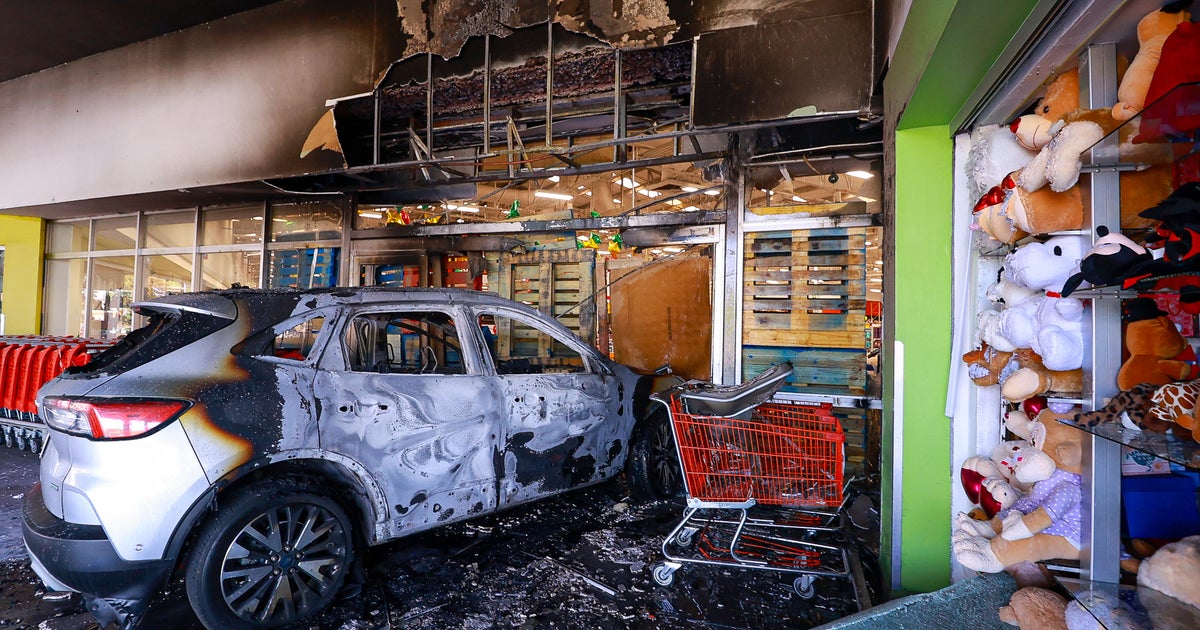
The immediate aftermath of El Mencho’s death has been both predictable and deeply troubling. Retaliatory violence erupted swiftly, with sources confirming that more than 20 Mexican National Guard members have already been killed in revenge attacks launched by cartel forces. This grim toll serves as a stark reminder that the CJNG is far more than a traditional drug trafficking organization—it has evolved into something more akin to a paramilitary force with transnational reach and sophisticated capabilities that rival some national armies. The cartel has demonstrated a disturbing willingness to adopt military-grade tactics and technology, including the deployment of drones modified to carry C4 explosives and the use of heavy weaponry typically associated with conventional armed forces rather than criminal organizations. In Mexico’s contested territories, CJNG has engaged in pitched battles that look less like law enforcement encounters and more like actual warfare. Despite the significant symbolic and operational blow of losing their founder and supreme leader, security analysts expect the cartel to retain substantial operational capacity in the near and medium term. The organization El Mencho built was deliberately structured to be resilient, with regional commanders exercising considerable autonomy in their territories. This decentralized structure, while creating potential succession problems, also means the organization isn’t entirely dependent on any single leader to continue functioning. The cartel’s diversification into multiple criminal enterprises beyond drug trafficking—including human smuggling, extortion, fuel theft, and even avocado trade control—provides multiple revenue streams that will continue flowing regardless of leadership changes.
The Succession Battle and Fragmentation Fears
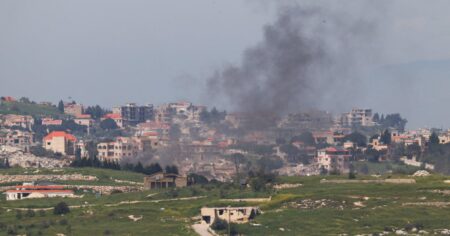
Even as the cartel demonstrates its continued operational viability through these revenge attacks, a fierce succession struggle has already begun within CJNG’s upper ranks. Regional commanders who once answered to El Mencho are now positioning themselves to claim greater power and control over the lucrative territories and trafficking routes the organization controls. This internal power struggle represents both an opportunity and a danger for law enforcement and civilian populations alike. History offers sobering lessons about what happens when major Mexican cartel leaders are removed from the equation. Rather than collapsing or surrendering, these organizations have typically splintered into competing factions, often leading to even more violence as former allies turn into bitter rivals fighting over the same criminal markets. The removal of unifying leadership frequently results in secondary waves of violence that can actually be more destabilizing than the original conflict. Early indicators suggest this familiar pattern is repeating itself following El Mencho’s death. Reports of revenge attacks and destabilization efforts are emerging from as many as 20 Mexican states—a geographic spread that illustrates both the cartel’s extensive reach and the complexity of the security challenge facing Mexican authorities. Some of this violence represents external attacks against government forces, but an increasing portion appears to involve internal cartel conflicts as different factions test each other’s strength and resolve. For civilians caught in the middle of these contested territories, this transition period may actually bring increased danger rather than the relief one might hope would follow the death of such a notorious criminal leader.
Looking Ahead: Uncertain Times and Cautious Optimism
As the dust begins to settle from this historic operation, both governments face critical decisions about how to capitalize on this moment while managing the significant risks that come with it. The death of El Mencho represents an undeniable victory for law enforcement and a validation of the enhanced cooperation model that made it possible. Yet experienced observers of Mexico’s drug war understand that removing individual leaders, no matter how powerful, has never proven to be a silver bullet solution to the deeper problems that fuel the drug trade. The fundamental economics that make drug trafficking so profitable remain unchanged, as does the demand for narcotics in consumer markets, particularly in the United States. What may be different this time is the apparent commitment from both governments to sustain pressure on these organizations rather than declaring victory and moving on after a single high-profile operation. The transfer of dozens of cartel suspects into U.S. custody in recent months suggests a more systematic approach to dismantling these networks rather than simply targeting their leadership. For American communities affected by the opioid epidemic and the violence associated with drug distribution, the hope is that this sustained bilateral effort will begin to disrupt the supply chains and distribution networks that have operated with relative impunity for too long. The coming weeks and months will be telling—will this operation mark a turning point in the fight against transnational organized crime, or will it simply be another chapter in a conflict that continues to evolve faster than the authorities trying to contain it?