
Airport Security Crisis: Understanding the Government Shutdown’s Impact on Air Travel
The Breaking Point at America’s Airports
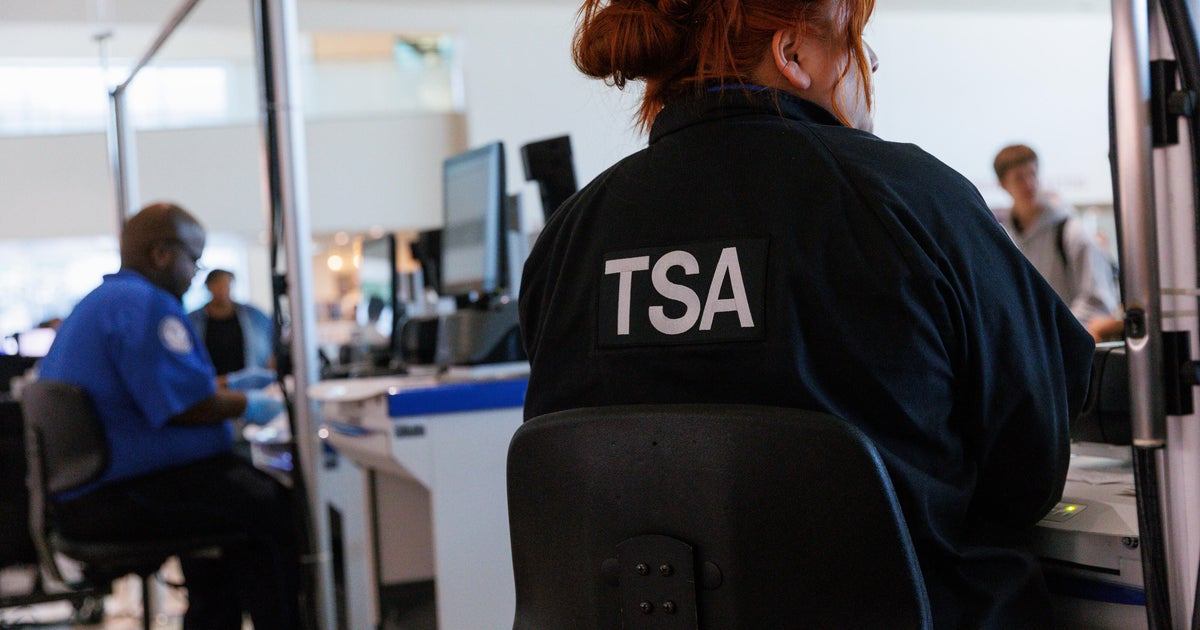
Friday brought scenes of chaos and frustration to airports nationwide as Transportation Security Administration (TSA) officers faced their second consecutive missed paycheck during the ongoing partial government shutdown. Travelers found themselves trapped in security lines that stretched for hours, with some missing flights and others abandoning travel plans altogether. The situation reached a critical point as President Trump acknowledged the severity of the crisis and took action, directing Homeland Security Secretary Markwayne Mullin to immediately authorize payment for TSA workers. The Department of Homeland Security responded with a statement confirming that TSA had begun processing payments for its workforce, with employees expected to see money in their accounts as early as Monday, March 30. This emergency intervention came amid intense political gridlock, with Congress struggling to reach agreement on funding for the Department of Homeland Security—the Senate passed one measure that the House subsequently rejected, though House Speaker Mike Johnson promised a vote on alternative legislation as soon as possible.
The Human Cost Behind the Security Lines
The statistics tell a sobering story about what happens when essential workers are forced to work without compensation. By Thursday, TSA call-out rates had skyrocketed to nearly 12%—the highest level since the shutdown began—as officers either called in sick or simply didn’t show up for their shifts. Even more alarming, over 500 TSA agents had resigned entirely, choosing to walk away from their jobs rather than continue working without pay. These aren’t just numbers on a spreadsheet; they represent real people facing impossible choices between protecting their families’ financial security and continuing to serve the traveling public. Many TSA officers live paycheck to paycheck, and missing even one payment can trigger a cascade of financial disasters—overdue rent, utility shutoffs, empty refrigerators, and mounting debt. The emotional and financial stress of working full-time while receiving no compensation has pushed thousands of dedicated security personnel to their breaking point, creating a crisis that affects not just the workers themselves but millions of travelers depending on them.
When Will Normal Service Resume?
Travel industry experts offer cautiously optimistic predictions about how quickly conditions might improve once TSA workers receive their delayed paychecks. Clint Henderson, a travel expert at The Points Guy, draws on recent history to forecast the recovery timeline, noting that during the last government shutdown, worker attendance improved dramatically as soon as money appeared in bank accounts. Based on that precedent, Henderson estimates that security screening wait times should begin returning to normal anywhere from two days to two weeks after workers receive payment. The improvement won’t be instant—even with full staffing, it takes time to process the backlog of frustrated travelers and restore efficient operations—but travelers should see noticeable improvements relatively quickly. Henderson emphasizes that anyone with upcoming travel plans should prepare for continued frustration and delays until TSA agents actually receive their paychecks, not just promises of payment. The situation compounds with each passing day without compensation, as more workers reach their financial breaking points and either call out sick or resign. For travelers navigating this uncertain period, the advice is clear: arrive at airports even earlier than usual, pack patience along with your luggage, and monitor your airline’s communications closely for potential delays or cancellations.
The Deeper Wounds That Won’t Heal Quickly
While resuming payment will address the immediate crisis of security line delays, travel experts warn that the longer-term damage to TSA’s workforce and operations will persist long after this shutdown ends. Henderson points out that working without pay doesn’t just create financial hardship—it devastates morale and erodes the trust between employees and their employer. TSA officers have now experienced this scenario twice in less than a year, being forced to choose between abandoning their posts or working for free while Congress plays political games with their livelihoods. This pattern creates lasting damage that can’t be repaired simply by releasing delayed paychecks. The loss of over 500 experienced agents represents not just empty positions but years of training, expertise, and institutional knowledge walking out the door. Recruiting and training replacement officers is a time-consuming and expensive process, made even more difficult when potential applicants see how current employees are being treated. Who wants to sign up for a job where being used as a political bargaining chip and working without pay has become a regular occurrence? The recruitment challenges mean that even after this shutdown ends and workers are paid, travelers may continue experiencing longer wait times and reduced service quality for months to come as TSA struggles to rebuild its depleted workforce.
Understanding the Political Deadlock
The airport security crisis exists within the larger context of congressional dysfunction and political brinkmanship over government funding. The partial shutdown affecting the Department of Homeland Security and TSA represents a failure of basic governance—the inability of elected officials to fulfill their most fundamental responsibility of keeping the government operational. While senators and representatives continue drawing their salaries and enjoying full benefits, the essential workers who keep Americans safe while traveling are forced to work without compensation. The Senate passed funding legislation only to see it rejected by the House, creating a legislative ping-pong game where real people’s lives and livelihoods serve as the ball. House Speaker Mike Johnson’s promise to vote “as soon as possible” on alternative funding offers little comfort to TSA officers who have bills due now and families to feed today. President Trump’s emergency directive to pay TSA workers immediately represents an acknowledgment that the situation had become untenable, but it also raises questions about why such emergency action was necessary in the first place. The fact that TSA officers have been forced into this position twice within a single year suggests systemic problems with how Congress approaches government funding, using shutdowns as leverage in political negotiations without adequately considering the human cost.
Looking Forward: Lessons and Lasting Impact
As airports gradually return to normal operations following the resumption of TSA worker pay, the traveling public and policymakers alike should reflect on the lessons this crisis teaches. First and foremost, essential workers who protect national security and enable commerce shouldn’t be treated as expendable pawns in political negotiations. The TSA officers screening passengers and luggage stand as the first line of defense against potential threats to aviation security—their work is literally a matter of life and death, not a service that can simply be paused when Congress fails to reach budget agreements. Second, the crisis demonstrates the ripple effects when essential workers aren’t compensated—delays, resignations, decreased morale, and degraded service that affects millions of Americans and damages the economy through disrupted travel and commerce. Airlines lose money, businesses miss opportunities, families miss important events, and the entire travel ecosystem suffers. Third, the recruitment and retention challenges created by these shutdowns will have consequences lasting far beyond the immediate crisis, potentially compromising security and service quality for years to come as TSA struggles to maintain adequate staffing levels. Perhaps most importantly, this episode should prompt serious conversations about reform—whether through automatic continuing resolutions that prevent shutdowns, special protections for essential workers, or other mechanisms that prevent dedicated public servants from being forced to work without pay while politicians negotiate. Until meaningful reforms are implemented, travelers should expect that future government shutdowns will bring similar chaos to airports, and TSA officers will continue facing the impossible choice between financial survival and serving their country.