



Indonesia Pioneers Southeast Asian Social Media Ban for Children Under 16
A Bold Step Toward Digital Child Protection
Indonesia has taken a groundbreaking step in child protection by implementing a comprehensive ban on social media access for children under 16 years old. Starting this month, the Southeast Asian nation became the first in its region to restrict minors from creating accounts on major platforms including YouTube, TikTok, Facebook, Instagram, Threads, X (formerly Twitter), Bigo Live, and Roblox. This sweeping regulation affects approximately 70 million children in a country with a population of about 280 million people. The move follows Australia’s pioneering efforts last year, which marked the world’s first comprehensive social media ban for children. Indonesia’s Communication and Digital Affairs Minister Meutya Hafid has made clear that compliance is not optional, stating firmly that every business entity operating within Indonesian borders must adhere to local laws without compromise. The government has instructed all digital platforms to immediately align their products, features, and services with the new regulations, though implementation will proceed gradually to allow platforms time to comply.
Understanding the Risks That Prompted Action
The Indonesian government’s decision stems from growing concerns about the various dangers children face in the digital world. Minister Hafid explained that high-risk platforms are identified based on several critical factors: how easily children can be exposed to strangers and potential predators, the presence of harmful content, and the levels of risk related to exploitation and data security scams. The regulation aims to shield young Indonesians from a range of online threats including pornography, cyberbullying, online scams, and digital addiction—all of which have become increasingly prevalent as internet access has expanded throughout the archipelago. These concerns aren’t unique to Indonesia; they reflect a global awakening to the potential harms that unregulated social media access can inflict on developing minds. However, Minister Hafid has candidly acknowledged that implementing this ambitious regulation will be extraordinarily challenging. Getting digital platforms to not only comply but also accurately report the deactivation of under-16 accounts presents significant logistical and technical hurdles. Despite these difficulties, she remains resolute: “This is certainly a task. But we must take steps to save our children. It’s not easy. Nevertheless, we must see it through.”
Mixed Reactions from Young People and Parents
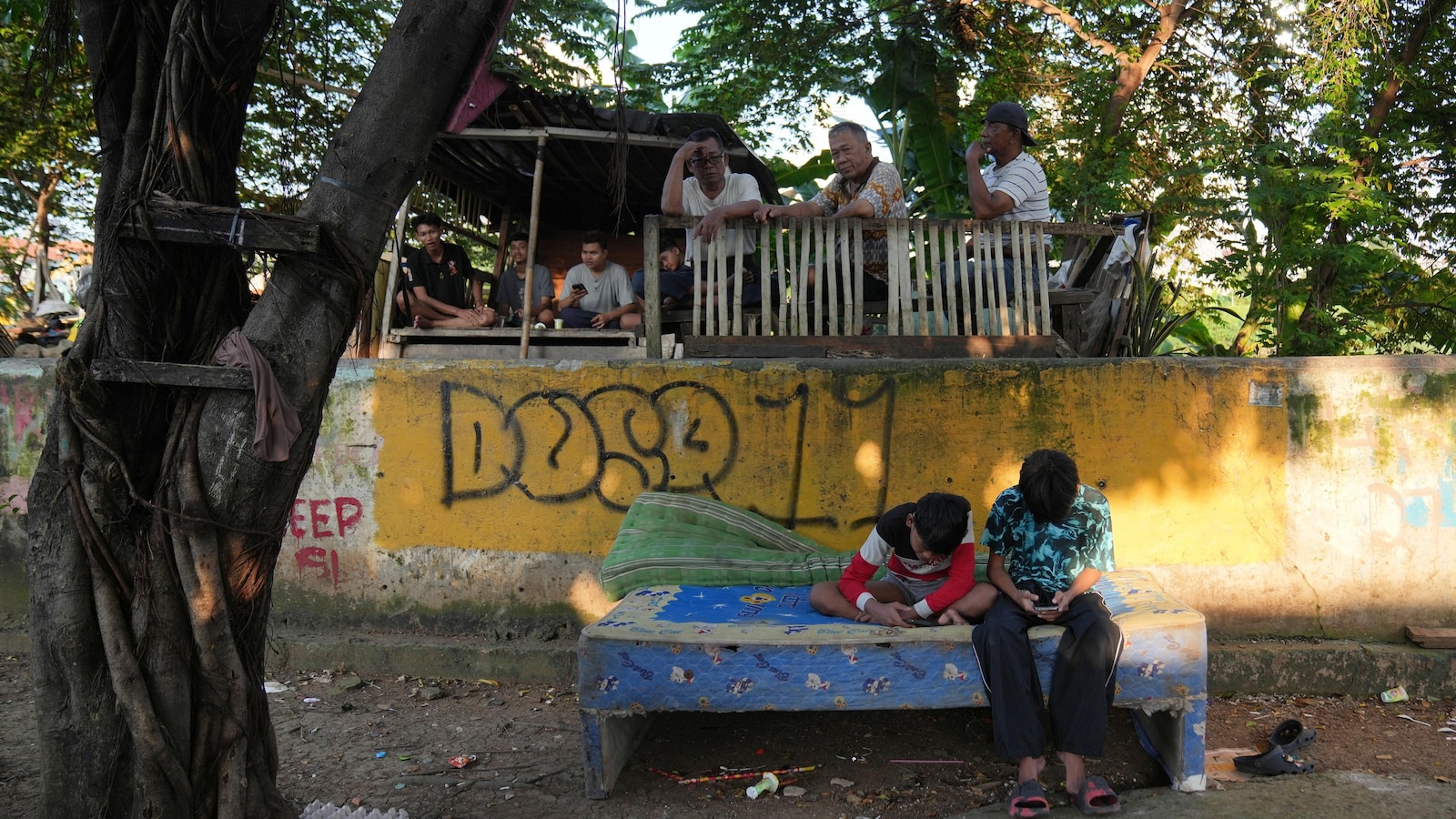
The new policy has generated varied responses from those most directly affected—children and their parents. Thirteen-year-old Maura Munthe, who typically spends about four hours daily on her phone engaging with social media and playing games like Roblox with friends, expressed ambivalence about the change. “I feel kind of 50-50 about it,” she admitted, though she ultimately leans toward supporting the policy. Her peers at school are concerned about missing out on the entertainment and social connections they’ve grown accustomed to, but Munthe seems prepared to adapt, noting that she can play offline games or simply spend more time hanging out with friends in person. Her mother, Leni Sinuraya, has historically trusted her daughter to use technology responsibly for both education and recreation. However, she strongly supports the government’s intervention, believing that parents have collectively lost control while social media companies have taken over. “Nowadays, when we see kids sitting in a restaurant, they have a phone right in front of them. It’s clear that they’re addicted,” Sinuraya observed. “They won’t eat unless they’re given a phone, and they throw a tantrum if they aren’t. Mealtime is supposed to be a time for us to chat with the people around us.” Her comments reflect a widespread concern among Indonesian parents that digital devices have fundamentally altered childhood experiences and family dynamics.
Expert Perspectives on Digital Safety and Learning
Child safety advocates offer nuanced views on the regulation. Diena Haryana, founder of the Semai Jiwa Amini foundation (SEJIWA), a nonprofit focused on online child safety and protection, acknowledges research showing that children’s social media use can negatively impact mental health and trigger anxiety and depression. However, she also recognizes that digital platforms offer significant advantages and create valuable learning opportunities that shouldn’t be dismissed entirely. Her foundation has worked to encourage collaboration between parents and communities to provide appropriate guidance and supervision for children navigating the online world. “We also need to remember that they need to learn to use this digital technology at the right time, at the right age, and with the right guidance as well,” Haryana explained. She predicts that the full effects of the restriction won’t be clear until after implementation, anticipating both complaints from children and confusion among parents as everyone adjusts to the new reality. The responsibility will now fall heavily on parents and schools to provide children with engaging alternatives and teach them how to explore and learn from the physical world rather than the digital one. “Of course, this takes time to get used to, which is why parents and schools need to encourage children to engage with the real world and make it fun for them,” Haryana emphasized. “And there’s plenty in the real world for children to explore.” This transition period will test the creativity and commitment of adults charged with making offline activities as compelling as the digital entertainment children have grown dependent on.
Platform Responses and Corporate Compliance
The major digital platforms affected by Indonesia’s regulation have begun responding to the new requirements, though with varying degrees of detail and commitment. Elon Musk’s X has updated its Indonesia Online Safety Information page to list 16 as the minimum age required for users in the country, with a straightforward disclaimer: “It’s not our choice—it’s what Indonesian law requires.” Google-owned YouTube issued a statement expressing support for the Indonesian government’s efforts to create an effective, risk-based framework addressing online harms while preserving access to information and digital opportunities. The company stated its readiness to engage with the regulation’s self-assessment approach to demonstrate its long-standing commitment to safety. TikTok, which has faced particular scrutiny regarding its impact on young users globally, announced through its newsroom page that it would take the necessary steps in line with regulatory expectations and continue strengthening safeguards. The platform pledged to keep the Indonesian community informed as further guidance becomes available and expressed its intention to engage constructively with the Communication and Digital Affairs Ministry during the self-assessment process. However, TikTok also noted its expectation that the regulation would be “applied fairly and consistently across all social platforms,” hinting at potential concerns about uneven enforcement. The relatively measured responses from these tech giants suggest they’re taking Indonesia’s regulation seriously, likely recognizing that with such a large population, the Indonesian market represents significant value they don’t want to lose.
A Global Trend Toward Protecting Children Online
Indonesia’s bold move places it within an emerging global trend of nations taking legislative action to protect children from potential social media harms. Australia led the way last December when social media companies revoked access to approximately 4.7 million accounts identified as belonging to children under 16. The Australian law represented a watershed moment, with families attempting to reclaim power from tech giants and protect teenagers from well-documented harms. Now other countries are following suit or seriously considering similar measures. Spain, France, and the United Kingdom are all taking steps or deliberating on restrictions for children’s social media access amid mounting evidence and public concern about the negative effects of unregulated content on young minds. This international movement reflects a growing recognition that the largely self-regulated approach of the past decade has failed to adequately protect children, and that government intervention may be necessary. The regulations also signal a broader shift in how societies view technology companies—not as benevolent innovators beyond reproach, but as powerful corporations whose products require oversight and accountability, especially where vulnerable populations are concerned. As these restrictions take effect across multiple countries, researchers will have unprecedented opportunities to study their impacts on children’s mental health, social development, academic performance, and overall well-being. Indonesia’s experience implementing this ban will be watched closely by other Southeast Asian nations considering similar measures. The success or failure of this policy could influence digital child protection strategies throughout the region and beyond, potentially reshaping the relationship between children, technology, and society for years to come. While challenges undoubtedly lie ahead in enforcement and adaptation, Indonesia has made a clear statement: protecting children from digital harms is worth the difficulty and disruption involved.