
Archives Investigation Clears Controversy Over Governor’s Military Records Release
An Honest Mistake, Not a Political Plot
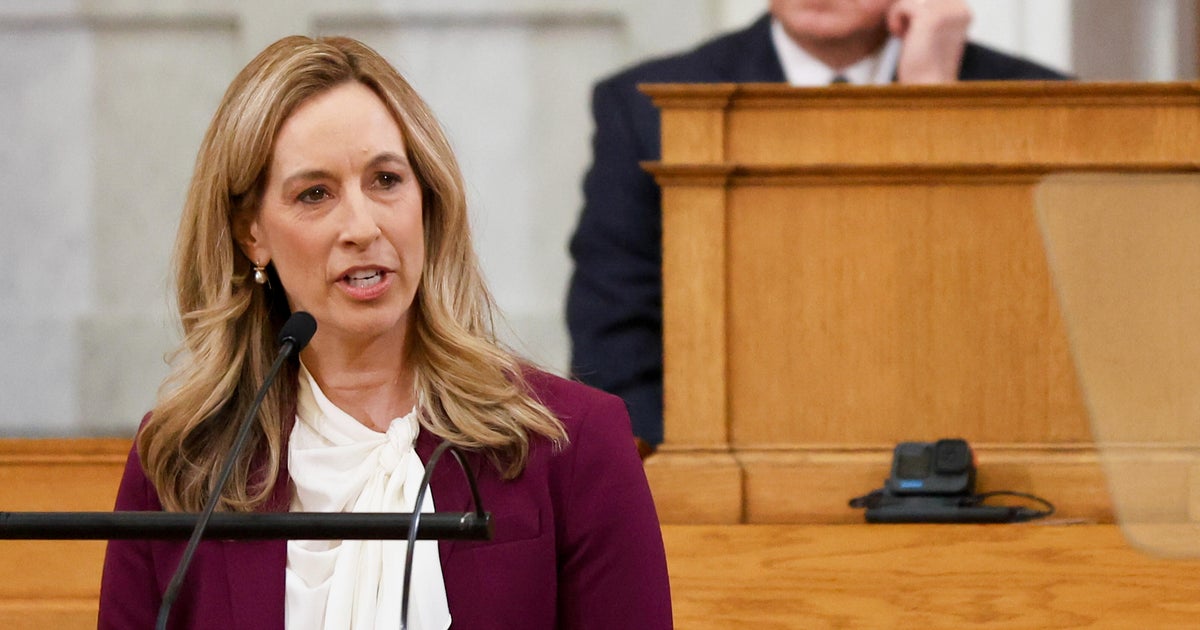
After months of heated speculation and partisan finger-pointing, a thorough investigation by the National Archives and Records Administration’s inspector general has finally put to rest a controversy that roiled last year’s New Jersey gubernatorial race. The findings are clear and unambiguous: the improper release of Governor Mikie Sherrill’s detailed military records was not the result of political scheming or coordination between Republican operatives and Trump administration officials, as had been alleged during the campaign. Instead, what emerged from the investigation was far more mundane—a simple case of human error by an overworked government employee who failed to follow proper procedures when processing what should have been recognized as a sensitive records request. The release included highly personal information such as Sherrill’s Social Security number, her home address and those of her parents, life insurance details, performance evaluations from her military service, and even the confidential nondisclosure agreement she had signed regarding classified information. While the disclosure violated both the Privacy Act of 1974 and protocols under the Freedom of Information Act, investigators determined that the initial request itself had been properly filed and legally submitted.
The Political Firestorm That Followed
The fallout from this records release created a significant political storm during what was already a heated gubernatorial contest. Governor Sherrill, a Democrat and former Navy pilot, along with other senior members of her party, openly suggested that the episode showed clear evidence of coordination between her Republican opponent Jack Ciattarelli and allies within the Trump administration. These suspicions were not casually mentioned but became a central theme of campaign attacks, with both sides launching legal threats and negative advertisements at each other for the remainder of the election cycle. The controversy added fuel to an already contentious race, with Democrats portraying it as yet another example of Republican dirty tricks and abuse of government resources for political gain. The records had been obtained by Nicholas De Gregorio, who was described as a Ciattarelli ally, which only deepened suspicions about the motivations behind the request. Sherrill ultimately won the race, defeating Ciattarelli despite the controversy, but the cloud of suspicion hung over the entire episode until this official investigation could be completed and its findings made public.
What Actually Happened Behind the Scenes
The inspector general’s investigation revealed a far less dramatic story than the political intrigue that had been alleged. The Archives technician assigned to process De Gregorio’s records request made a critical error in judgment by failing to recognize that this was not a routine request. According to established protocols, any request involving the records of a sitting member of Congress—which Sherrill was at the time—should have been immediately escalated to supervisory staff for a higher level of review before any documents were released. This didn’t happen. When interviewed by investigators, the technician candidly admitted to the mistake, explaining that it was likely “caused by being distracted and not focusing entirely on the task at hand.” This honest but unfortunate admission highlights a reality familiar to anyone who has worked in bureaucratic settings: sometimes mistakes happen not because of malicious intent but simply because someone was having an off day, was overwhelmed with work, or momentarily lost focus on an important detail. The technician, who had been working at the National Archives since approximately 2015, faced serious consequences for this lapse in judgment and professional standards.
Consequences and Institutional Reforms
The gravity of this mistake was not taken lightly by the National Archives. Based on the serious nature of the improper release and the potential harm it could have caused, supervisory staff formally proposed the removal of the Archives technician from federal service on December 16, 2025, on grounds of neglect of duty. Faced with termination, the technician chose instead to retire from government service, effectively ending a career that had spanned roughly a decade. Beyond the individual consequences, the National Archives recognized that this incident exposed vulnerabilities in their systems and procedures that needed to be addressed. In response, the institution implemented several new practices designed to ensure “enhanced reliability and accuracy of response for sensitive record and FOIA requests.” This included mandatory training sessions for staff members who handle records requests and new directives specifically focused on the proper handling of personnel records, particularly those involving current or former elected officials and other public figures whose information might be more sensitive than average requests. These reforms represent an acknowledgment that while this particular breach was not politically motivated, the systems in place were insufficient to prevent such errors from occurring in the first place.
The Lingering Questions About Sherrill’s Naval Academy Days
While the investigation cleared up questions about how the records were released, it did not settle all controversies surrounding Governor Sherrill. The records request that sparked this entire episode was originally motivated by allegations concerning Sherrill’s involvement in a 1994 cheating scandal at the Naval Academy, where more than 100 midshipmen were implicated in academic dishonesty on an examination. CBS News had begun investigating these accusations during the campaign, and the military records were sought partly to shed light on this decades-old incident. Sherrill has been forthright in addressing the matter, stating clearly that she was never accused of cheating herself. According to her account, her only involvement was refusing to inform on fellow classmates who may have been involved—a decision that reflected either loyalty to peers or a military code of silence, depending on one’s perspective. As a consequence of her stance during the investigation, she was prevented from participating in her graduation ceremony, though she did ultimately receive her degree and went on to serve honorably in the U.S. Navy, including as a military helicopter pilot. Mark Sheridan, an attorney with the law firm Squire Patton Boggs representing Ciattarelli’s campaign, used the investigation’s findings to call on Sherrill to be more transparent: “As we said all along, the Ciattarelli campaign did nothing wrong. Now that the phony ‘Trump did it’ smokescreen—which most of the NJ press corps fell for—has been proven false, Governor Sherrill should come clean and release the records about her involvement in the Naval Academy cheating scandal.”
Broader Implications for Opposition Research and Government Transparency
This entire episode highlights the complex intersection of several important issues in modern American politics: the role of opposition research in campaigns, the proper use of Freedom of Information Act requests, the protection of personal privacy, and the challenges government agencies face in balancing transparency with security. Political campaigns, opposition research firms, and news organizations routinely seek military records of current or former service members running for office, and this practice serves legitimate purposes in vetting candidates and informing voters about those seeking positions of public trust. Nicholas De Gregorio, who submitted the original records request, defended his actions in the wake of the investigation’s findings: “I appreciate the Inspector General’s complete dismantling of Governor Sherrill’s false and potentially defamatory attacks against me. As a veteran myself, I filed a FOIA request to see if Governor Sherrill was lying to voters about her service. It turned out I was right to do so. I encourage all citizens to utilize FOIA to hold our elected officials accountable.” His statement captures one side of this debate—that transparency and accountability require citizens and journalists to have access to information about public officials. However, the improper release of sensitive personal information like Social Security numbers and home addresses demonstrates the very real risks that exist when government systems fail to properly safeguard privacy protections that exist precisely to prevent harm to individuals, even public figures. The investigation’s findings ultimately vindicate no one completely while offering lessons for everyone involved in how government transparency, personal privacy, political opposition research, and bureaucratic competence must all be carefully balanced in our democratic system.