



Israel Launches Preemptive Strike on Iran Amid Escalating Regional Tensions
Sudden Military Action Shakes Middle East
In the early hours of Saturday morning, Israel launched what military officials characterized as a “preemptive strike” against Iran, marking a significant escalation in tensions between the two long-time adversaries. The Israeli Defense Ministry issued a statement explaining that the decision to strike came in response to intelligence suggesting that Iran was preparing to launch a coordinated missile and drone attack against Israeli territory “in the immediate future.” According to Israeli officials, the strike was a defensive measure intended to neutralize what they perceived as an imminent threat to their national security. The action represents one of the most direct military confrontations between Israel and Iran in recent years, sending shockwaves through the international community and raising immediate concerns about the potential for wider regional conflict.
Explosions Rock Tehran as Details Remain Unclear
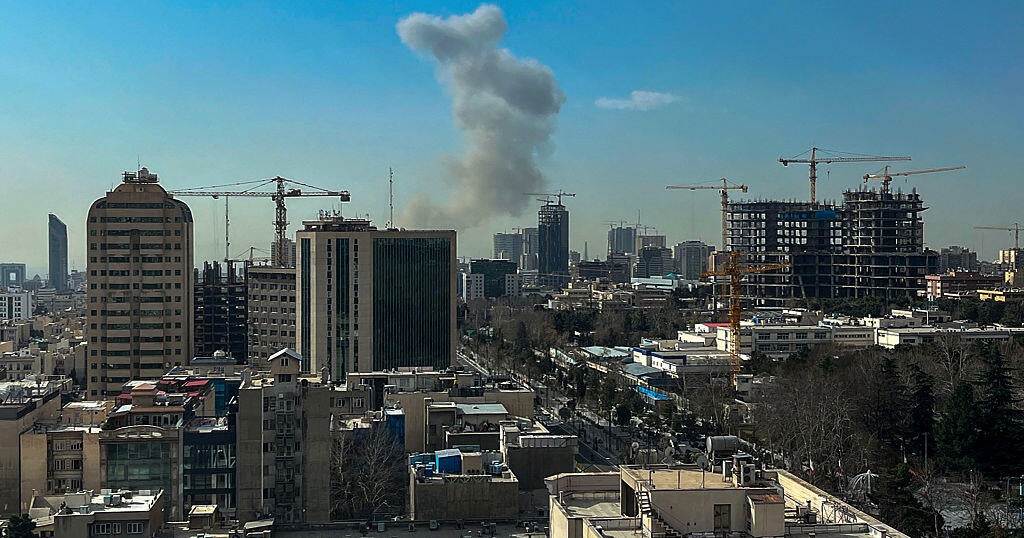
Residents of Tehran reported hearing multiple explosions throughout the Iranian capital, with particular intensity in the Seyed Khandan area in the northern part of the city. Iranian state television acknowledged that an explosion had occurred but provided no immediate explanation for the cause or the extent of any damage. What makes this strike particularly significant is its proximity to the offices of Iran’s Supreme Leader, Ayatollah Ali Khamenei, whose workplace is located near where the explosions were heard. The 86-year-old leader, who wields ultimate authority in Iran, has not been seen in public for several days as tensions with the United States have intensified. While it remains unclear whether Khamenei was present in his offices at the time of the strike, the symbolic and strategic importance of targeting areas so close to the heart of Iran’s leadership cannot be overstated. The full scope and precise locations of the Israeli strike have not been disclosed, leaving many questions unanswered about the operation’s objectives and outcomes.
Israel Declares State of Emergency
In response to the military action and anticipating potential Iranian retaliation, Israeli Defense Minister Yisrael Katz immediately declared a state of emergency across the entire country. Israeli citizens received urgent instructions through official channels, with authorities emphasizing the critical importance of following guidance from the Home Front Command. “You must obey the instructions of the Home Front Command and the authorities and remain in the protected areas,” the official statement warned, reflecting the seriousness with which Israeli leadership views the potential for counterattacks. Warning sirens blared across Israel simultaneously with Katz’s announcement, creating scenes of anxiety and urgency as residents rushed to shelters and safe rooms. The Israeli military issued what it termed a “proactive alert” specifically designed to prepare the civilian population for the possibility of incoming missiles being launched toward Israeli territory from Iran or its regional proxies. This comprehensive response demonstrates that Israeli authorities are bracing for significant retaliation and are taking no chances with public safety.
International Response and American Positioning
The United States military initially declined to comment on the Israeli strike, maintaining official silence during the rapidly developing situation. However, the U.S. Embassy in Qatar took immediate protective action, announcing via social media that it had implemented shelter-in-place protocols for all embassy personnel. The embassy went further by recommending that all American citizens in the region follow the same precautionary measures “until further notice,” indicating concerns about the potential for widespread regional instability and possible attacks on American interests. This American response suggests that U.S. intelligence agencies may have been aware of heightened tensions and the possibility of military action, even if the timing and specifics caught some officials by surprise. The situation puts the United States in a delicate position, as it seeks to balance its long-standing alliance with Israel against its interests in preventing a wider Middle Eastern conflict that could draw American forces into direct confrontation with Iran.
Regional Implications and Historical Context
This preemptive strike occurs against a backdrop of decades of hostility between Israel and Iran, two nations that have engaged in a shadow war involving proxy forces, cyber attacks, and covert operations throughout the Middle East. Iran has long supported groups like Hezbollah in Lebanon and various militias in Syria and Iraq, which Israel views as direct threats to its security. Israel, meanwhile, has conducted numerous strikes against Iranian-linked targets in Syria and has been accused of sabotage operations against Iran’s nuclear program. The decision to launch a direct strike on Iranian territory, rather than targeting Iranian assets in third countries, represents a significant escalation in this ongoing conflict. The timing is particularly sensitive given the broader geopolitical landscape, including ongoing negotiations and diplomatic efforts in the region. Any military confrontation between Israel and Iran carries the risk of drawing in other regional players, potentially transforming a bilateral conflict into a much larger regional war that could affect global oil supplies, international shipping routes, and the stability of multiple governments throughout the Middle East.
Uncertain Future and Developing Crisis
As this situation continues to unfold, the international community watches anxiously to see how Iran will respond to what it will undoubtedly characterize as an act of aggression against its sovereign territory. Iranian officials have historically promised swift and severe retaliation for any attacks on their homeland, and there is little reason to believe this instance will be different. The proximity of the strike to Supreme Leader Khamenei’s offices may be interpreted by Iranian leadership as an attempt on his life or as a deliberate humiliation, potentially prompting a more forceful response than might otherwise be expected. Israeli citizens, meanwhile, remain on high alert in protected spaces, uncertain about when they might be able to return to normal life. The coming hours and days will be critical in determining whether this confrontation remains contained or spirals into a wider conflict. International diplomatic efforts will likely intensify as various nations attempt to mediate between the adversaries and prevent further escalation. For now, the Middle East holds its breath, understanding that the decisions made by leaders in Tel Aviv and Tehran in the immediate aftermath of this strike could reshape the region’s security landscape for years to come. The story remains developing, with new information emerging continuously as the world attempts to understand the full implications of this dramatic military action.