



Japan’s Cherry Blossom Season Officially Begins: A Celebration of Nature and Culture
Early Blooms Signal the Arrival of Spring
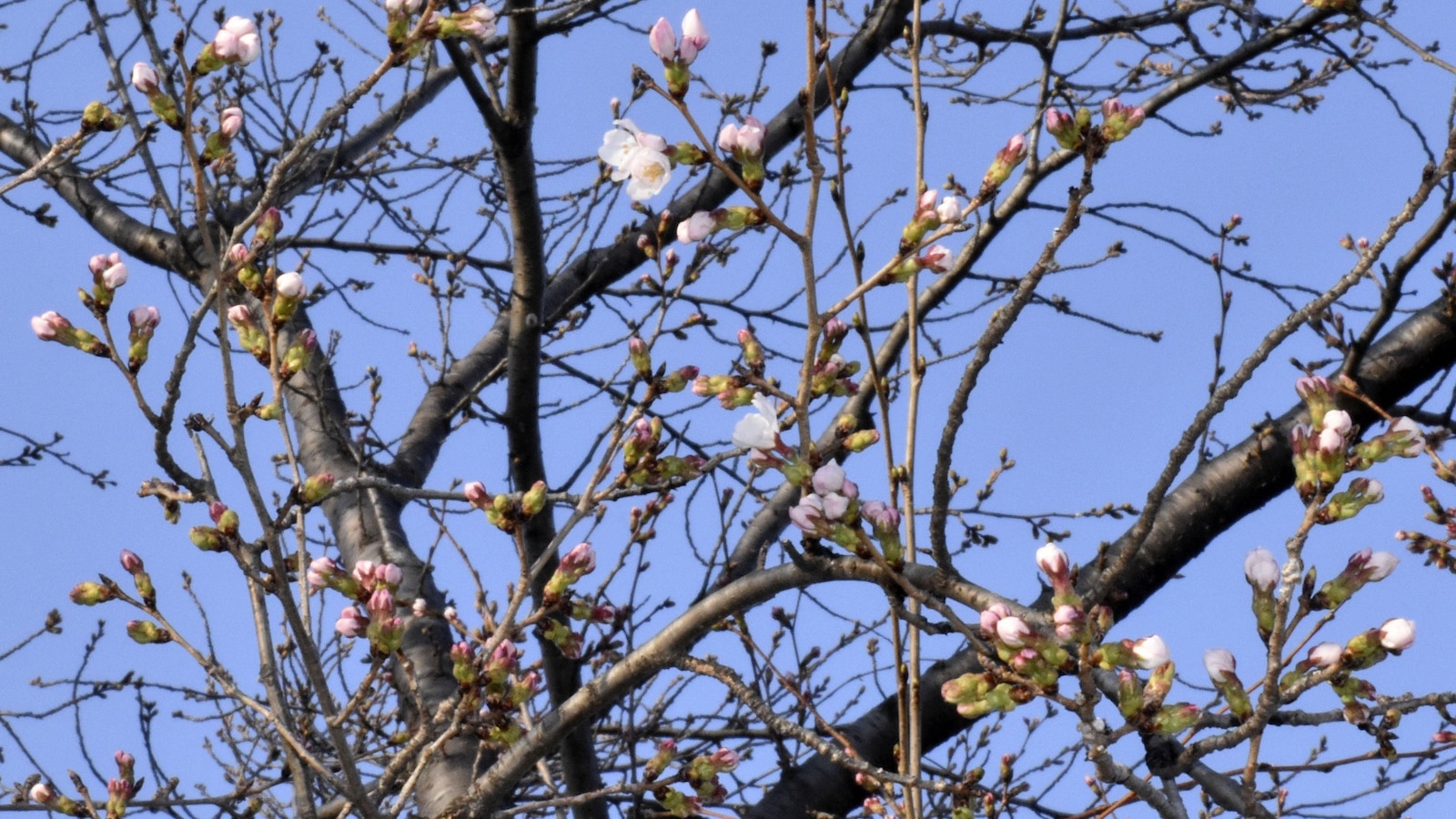
The arrival of spring in Japan has been officially confirmed as government officials announced the first blooming of the nation’s most beloved flower—the cherry blossom. On Monday, representatives from the Japan Meteorological Agency (JMA) declared that the iconic sakura season has begun after observing the blooming of benchmark trees in three different cities across the country. The cities of Kochi in southwestern Japan, along with Gifu and Yamanashi in the central region, all reported the minimum threshold of five flowers blooming on their designated observation trees, meeting the official criteria for the seasonal announcement. This carefully monitored process reflects the deep importance that cherry blossoms hold in Japanese society, where the fleeting beauty of these delicate pink and white flowers has captivated hearts for generations. The announcement marks not just a botanical milestone but a cultural moment that Japanese people eagerly anticipate each year, signaling renewal, hope, and the promise of warmer days ahead.
Understanding the Timing and Science Behind This Year’s Blooms
This year’s cherry blossom season has arrived notably earlier than usual in all three observation locations, a phenomenon that has caught the attention of meteorological experts and nature enthusiasts alike. Kochi achieved the distinction of being the first city to witness blooming for the third consecutive year, with flowers appearing six days ahead of the typical schedule. Meanwhile, both Gifu and Yamanashi experienced even more significant advances, with their cherry trees blooming a full nine days earlier than the historical average. According to Shinobu Imoto, a specialist from the Kochi Meteorological Agency, several environmental factors contributed to this early arrival. Speaking to TBS television, Imoto explained that the region experienced lower-than-usual rainfall throughout the winter months, combined with extended periods of sunshine, creating ideal conditions for the trees to accelerate their blooming cycle. This scientific observation highlights how cherry blossom timing serves as a natural indicator of broader climate patterns and seasonal shifts, making the annual bloom announcement not just a cultural event but also an important environmental marker that scientists study to understand changing weather conditions across Japan.
The Cultural Significance of Sakura in Japanese Life
Cherry blossoms, known as “sakura” in Japanese, represent far more than simply beautiful flowers—they embody a philosophical concept that has shaped Japanese culture and aesthetic sensibility for centuries. The brief, spectacular blooming period of sakura, typically reaching its breathtaking peak from late March through early April, coincides perfectly with a significant time in the Japanese calendar: the beginning of the new school and business year. This timing creates a natural connection between the renewal symbolized by the blossoms and the fresh starts that many Japanese people experience in their personal and professional lives during this period. The tradition of hanami, or cherry blossom viewing, brings communities together as people of all ages gather beneath the flowering trees to appreciate their transient beauty. Whether taking leisurely walks along tree-lined paths or enjoying picnics on blankets spread under canopies of pink and white petals, the Japanese have developed numerous customs around celebrating the sakura season. This deep cultural connection reflects broader Japanese aesthetic principles, particularly the concept of “mono no aware”—an awareness of the impermanence of things and a gentle sadness at their passing, which the brief life of cherry blossoms perfectly exemplifies.
The Double-Edged Sword of Cherry Blossom Tourism
While the cherry blossom season brings joy and cultural celebration, it has also created contemporary challenges that communities across Japan are grappling with. In recent years, the global popularity of Japan’s sakura season has exploded, drawing increasing numbers of international tourists alongside domestic visitors to famous cherry blossom viewing spots. This surge in popularity has transformed what was once primarily a local tradition into an international phenomenon, bringing economic benefits but also significant problems. Communities located near popular viewing venues have raised growing concerns about the negative impacts of overtourism during the peak blooming period. These complaints include widespread littering, with discarded food containers, plastic bags, and other waste marring the natural beauty that visitors come to see. Excessive noise levels have also become problematic, disrupting the peaceful contemplation that traditionally accompanies hanami activities and disturbing local residents who live near popular viewing spots. Some locations have reported damage to the trees themselves, as overeager photographers and selfie-takers break branches or climb on the delicate trees. These issues have forced local governments and community organizations to implement new rules and restrictions, including designated viewing areas, waste management campaigns, and increased security presence during peak bloom periods, all aimed at preserving both the trees and the quality of the experience for future generations.
The Somei Yoshino: Japan’s Iconic Cherry Blossom Variety
The cherry blossoms that serve as official markers for the Japan Meteorological Agency’s seasonal announcements belong to a specific variety called Somei Yoshino, which has become virtually synonymous with cherry blossoms in Japan. This particular cultivar was developed during the Edo period and has since become the most widely planted cherry tree variety throughout the country, accounting for approximately 80% of Japan’s cherry trees. The Somei Yoshino is prized for several characteristics that make it ideal for ornamental purposes and synchronized blooming displays. Its flowers are larger and more abundant than many other cherry varieties, creating spectacular visual displays when entire avenues or parks filled with these trees bloom simultaneously. The blossoms typically feature pale pink petals that appear almost white, creating an ethereal, cloud-like effect when viewed en masse. Another distinctive feature is that Somei Yoshino trees bloom before their leaves emerge, meaning the flowers are not competing with green foliage for visual attention, resulting in a purer, more dramatic floral display. The JMA maintains designated benchmark trees of this variety in cities across Japan, carefully monitoring them each spring to determine the official start and progress of the blooming season, creating a standardized system that allows for consistent year-to-year comparisons and helps the public plan their hanami activities.
Looking Forward: Cherry Blossoms in a Changing Climate
As Japan celebrates the arrival of another cherry blossom season, the earlier-than-average blooming dates serve as a reminder of the subtle but significant changes occurring in the country’s climate and environment. The phenomenon of increasingly early blooms has been documented over recent decades, with scientists noting a general trend toward earlier flowering times when compared to historical records dating back centuries. These shifts in blooming patterns offer valuable data for climate researchers studying how rising temperatures and changing precipitation patterns affect plant phenology—the timing of seasonal biological events. While earlier blooms might seem like a minor change, they can have cascading effects on ecosystems, potentially disrupting the relationships between cherry trees and the insects that pollinate them, or affecting the timing of traditional agricultural activities that have long been synchronized with the sakura season. Despite these concerns, cherry blossoms continue to serve their timeless role in Japanese society, offering moments of beauty, reflection, and connection with nature. As people across Japan prepare to witness this year’s spectacular display, the sakura remind us of nature’s cycles and the importance of cherishing fleeting moments of beauty—lessons that remain as relevant today as they were centuries ago when cherry blossoms first captured the Japanese imagination and became woven into the fabric of the nation’s cultural identity.