
UK Bans Kanye West from Entering Country, Forcing Festival Cancellation
Travel Authorization Revoked Over Public Safety Concerns
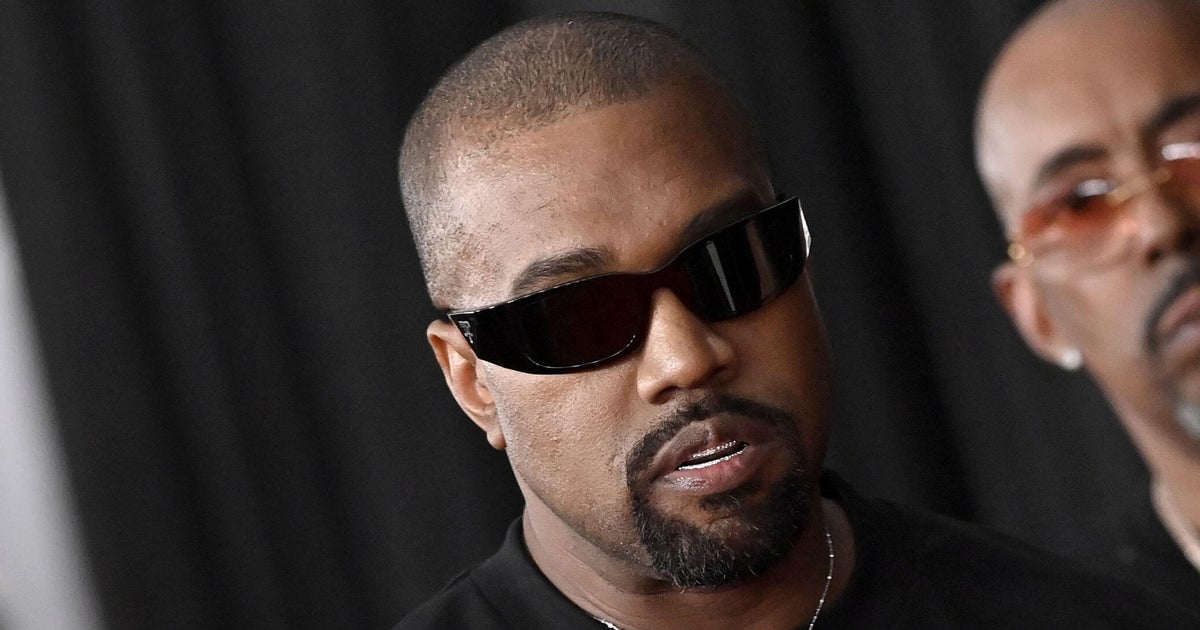
The artist formerly known as Kanye West, now legally named Ye, has been prohibited from entering the United Kingdom following a significant controversy surrounding his history of antisemitic statements and behavior. The 48-year-old rapper was scheduled to be the headline performer at the Wireless Festival, a major three-day outdoor music event planned for July 10-12 in London’s historic Finsbury Park. The festival was expected to draw approximately 150,000 music fans over the course of the weekend. However, after initially granting him an electronic travel authorization, UK authorities reversed their decision and withdrew his permission to enter the country. According to the Home Office, as reported by BBC News, the decision was made on the grounds that Ye’s presence in the United Kingdom would not be “conducive to the public good.” This phrase represents a significant legal determination used by British authorities when they believe someone’s presence could potentially cause harm to society or undermine public welfare. The revocation of his travel authorization effectively ended any possibility of him performing at the festival, leaving organizers with no choice but to cancel the entire event and issue refunds to ticket holders who had already purchased passes.
Government and Political Response to the Booking
UK Prime Minister Keir Starmer took to social media to express his strong disapproval of the festival’s decision to invite Ye in the first place, stating unequivocally that “Kanye West should never have been invited to headline Wireless.” The Prime Minister emphasized his government’s commitment to standing with the Jewish community and fighting antisemitism in all its forms. Starmer declared that his administration “will not stop in our fight to confront and defeat the poison of antisemitism” and promised that the government “will always take the action necessary to protect the public and uphold our values.” This strong stance from the highest levels of British government reflected the seriousness with which officials viewed the situation. Health Secretary Wes Streeting also weighed in on the controversy, calling the festival organizers’ defense of their decision “absurd” and stating clearly that Ye should “absolutely not” perform at Wireless. The unified response from multiple government officials demonstrated a coordinated approach to addressing what they saw as a significant concern for public welfare and the protection of minority communities, particularly the Jewish population in the UK. The political pressure on festival organizers had been mounting steadily since the announcement of Ye’s headlining slot, creating an increasingly difficult situation for those involved.
The Pattern of Antisemitic Behavior
The controversy surrounding Ye stems from a disturbing pattern of antisemitic statements and actions that have unfolded over recent years, causing widespread condemnation from various sectors of society, including the entertainment industry, corporate sponsors, and advocacy groups. The situation reached particularly troubling levels last year when Ye released a song provocatively titled “Heil Hitler” and advertised merchandise on his website featuring swastika imagery, specifically a T-shirt bearing the Nazi symbol. Additionally, he has publicly expressed admiration for Adolf Hitler, the dictator responsible for the Holocaust and the deaths of six million Jews during World War II. These actions went far beyond mere controversial statements or provocative artistic expression, crossing into territory that many viewed as promoting hate and potentially inciting violence against Jewish people. The severity and explicit nature of these actions made it impossible for many organizations and individuals to separate the artist from his art or to justify providing him with prominent platforms. The backlash was swift and comprehensive, with numerous business partners severing ties with the rapper, including major brands and record labels who had previously worked with him during his successful music career.
Corporate Sponsors Withdraw Support
The announcement that Ye would headline the Wireless Festival triggered an immediate and significant corporate response, with major sponsors distancing themselves from the event in rapid succession. Three prominent companies—Pepsi, Rockstar Energy, and Diageo—all pulled their sponsorship from the festival following the confirmation of Ye’s headlining slot. These withdrawals represented substantial financial and reputational implications for the festival organizers, as corporate sponsorships form a crucial component of the funding and operational infrastructure for large-scale music events. The sponsors’ decisions reflected broader corporate social responsibility concerns and the need for brands to protect their reputations by avoiding association with controversial figures, particularly those who have promoted hateful ideologies. The swift action by these companies demonstrated how the commercial landscape has evolved, with corporations increasingly willing to take public stands on social issues and to face potential losses rather than be associated with individuals whose views contradict their stated values. This corporate response added significant pressure on festival organizers and contributed to the increasingly untenable position they found themselves in as the controversy continued to escalate.
Ye’s Apology and Explanation
In January of this year, Ye issued a public apology for his antisemitic statements and behavior, choosing to publish his statement as a full-page advertisement in The Wall Street Journal, one of America’s most prominent and respected newspapers. In his statement, the rapper attributed his actions to his bipolar disorder, explaining that he had experienced “a four-month long, manic episode of psychotic, paranoid and impulsive behavior that destroyed my life.” This explanation sought to provide context for his actions while acknowledging the serious harm they caused. Following the announcement of the UK travel ban and the mounting pressure surrounding the festival appearance, Ye issued another statement on Tuesday expressing his willingness to engage with the Jewish community. He stated that he “would be grateful for the opportunity to meet with members of the Jewish community in the U.K. in person, to listen.” Acknowledging that verbal apologies alone were insufficient, he added, “I know words aren’t enough — I’ll have to show change through my actions. If you’re open, I’m here.” This outreach represented an attempt to demonstrate genuine remorse and a willingness to engage in dialogue with those his actions had harmed, though questions remained about whether these gestures came too late or were sufficient to address the magnitude of the offense.
Community Response and Festival Organizers’ Stance
Phil Rosenberg, president of the Board of Deputies of British Jews, responded to Ye’s offer to meet with measured openness, indicating that the Jewish community would be willing to engage in dialogue with the musician, but only under specific conditions. Rosenberg stated that such a meeting would be appropriate if Ye pulled out of the festival performance, explaining that “The Jewish community will want to see a genuine remorse and change before believing that the appropriate place to test this sincerity is on the main stage at the Wireless Festival.” This response indicated a willingness to consider reconciliation while maintaining clear boundaries about what would constitute appropriate circumstances for such engagement. Meanwhile, Festival Republic, the organization behind Wireless, initially stood by their decision to book Ye as the headline performer. Managing director Melvin Benn issued a statement on Monday urging the public to offer the performer “forgiveness and hope,” arguing that the festival was not providing Ye with “a platform to extol opinion of whatever nature, only to perform the songs that are currently played on the radio stations in our country and the streaming platforms in our country and listened to and enjoyed by millions.” This defense suggested an attempt to separate the artist’s personal views from his musical work, an argument that ultimately proved unsuccessful in the face of government intervention, corporate withdrawal, and public outcry. The festival’s ultimate cancellation due to the travel ban represented a definitive resolution to the controversy, though it left many questions unresolved about accountability, redemption, and the responsibilities of entertainment platforms in addressing artists with troubling histories.