


Close Call at California Airport: Military Helicopter Crosses Path of United Airlines Flight
Incident Details and Initial Response
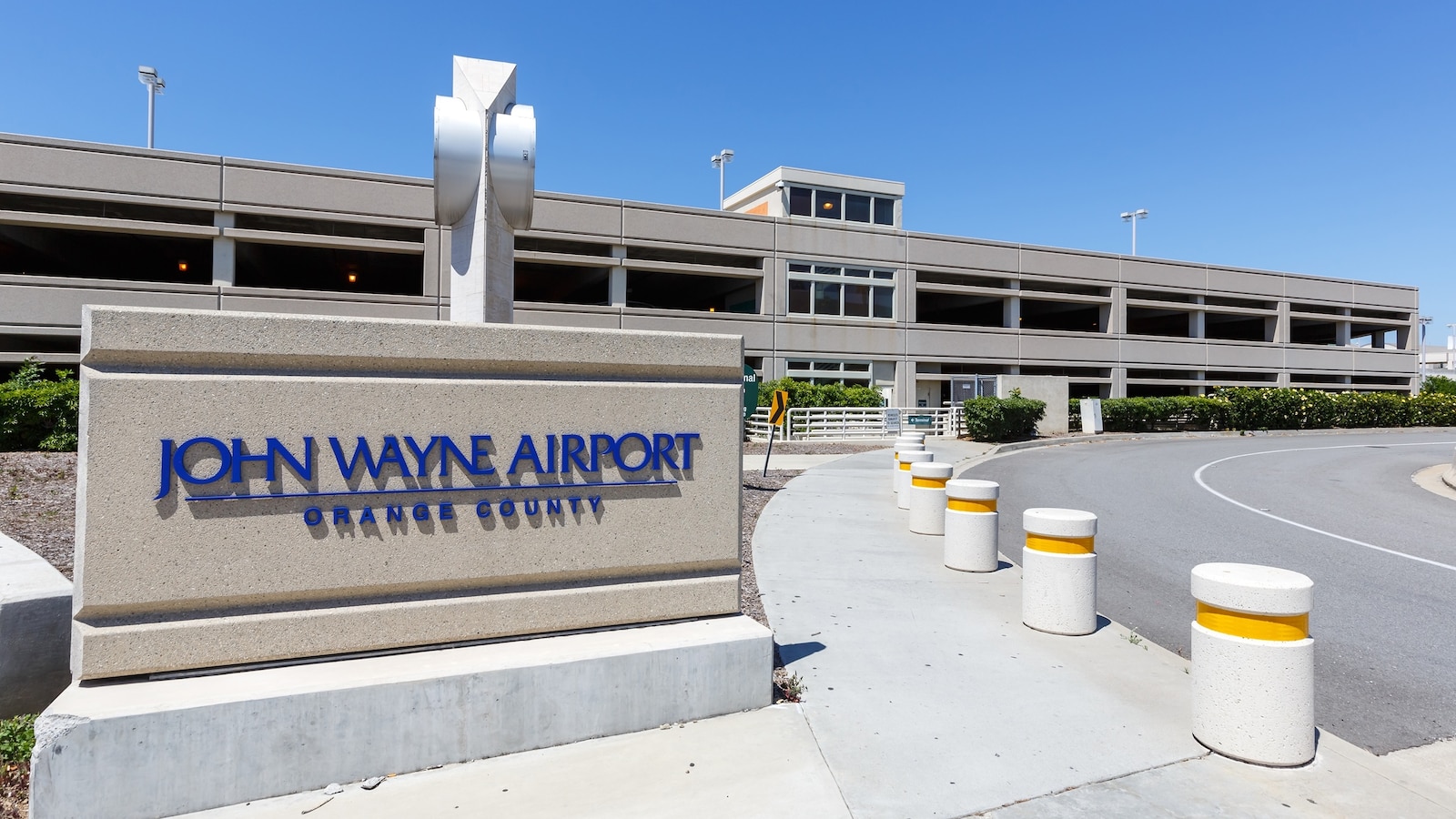
On a Tuesday evening that could have ended in catastrophe, a military helicopter crossed dangerously close to a United Airlines passenger jet as it was making its final approach to John Wayne Airport in Santa Ana, California. The incident, which occurred around 8:40 p.m. local time, involved a Boeing 737 carrying 168 passengers and crew members traveling from San Francisco. According to the Federal Aviation Administration, the aircraft came within an alarming proximity of each other—separated by just 525 feet vertically and approximately 1,422 feet horizontally, which translates to barely more than a quarter of a mile. Despite the proximity, both aircraft landed safely without injury to anyone on board, though the encounter has raised serious questions about air traffic safety protocols and coordination between civilian and military aviation operations. The United Airlines pilots were alerted to the presence of the helicopter by air traffic controllers during their final approach, and they also received an automated traffic alert system warning, which prompted them to level off their aircraft to maintain safe separation from the military helicopter.
The Military Helicopter’s Mission and Path
The California National Guard confirmed on Thursday that the aircraft involved in the near-miss was an Army National Guard Sikorsky Black Hawk helicopter that had been conducting what they described as a “routine training mission” at the time of the incident. According to the National Guard’s statement, the helicopter was returning to its home base at the Joint Forces Training Base Los Alamitos and was following an established Visual Flight Rules route at an assigned altitude while maintaining communication with air traffic control. The military has emphasized that the helicopter crew was following proper procedures and was in contact with controllers throughout their flight. However, the fact that such a close encounter occurred despite these precautions has prompted questions about whether current protocols are sufficient to prevent dangerous situations when military and civilian aircraft share airspace near busy commercial airports. The California National Guard has stated that they will conduct a thorough review of the incident in coordination with appropriate federal agencies to determine exactly what happened and whether any procedural changes are necessary to prevent similar occurrences in the future.
Critical Safety Alerts and Pilot Response
The traffic alert that the United Airlines pilots received during this harrowing encounter was no ordinary warning—it was the most serious type of anti-collision alert that pilots can receive in the cockpit. Known as a Traffic Collision Avoidance System (TCAS) resolution advisory, this alert doesn’t just warn pilots of potential danger; it provides specific, immediate instructions on exactly what maneuvers to perform to avoid a collision. When pilots receive this type of alert, they are trained to respond immediately and precisely according to the system’s directives, overriding other considerations including air traffic control instructions if necessary. In this case, the United pilots responded appropriately by leveling their aircraft, which means they stopped their descent and maintained their current altitude to increase separation from the helicopter. The professionalism and quick thinking of the flight crew undoubtedly prevented what could have been a catastrophic mid-air collision. The fact that such a serious alert was triggered highlights just how dangerous the situation was—these systems are designed to activate only when aircraft are on a collision course and immediate action is required to prevent disaster.
Investigating the Incident and New Safety Measures
The Federal Aviation Administration has launched a full investigation into the incident, with particular focus on whether a newly implemented safety measure was properly applied during the encounter. This new protocol, which suspended the use of visual separation between airplanes and helicopters, was put into effect just last week—mere days before this close call occurred. The measure specifically targets areas where helicopters frequently cross the arrival and departure paths near busy airports, requiring air traffic controllers to use radar technology to actively manage aircraft separation rather than relying on visual confirmation. Under this new system, controllers must maintain specific lateral or vertical distances between aircraft using precise radar measurements rather than visual observation. The investigation will seek to determine whether this protocol was followed in this case, and if not, why the new safety measure wasn’t applied. The National Transportation Safety Board has also acknowledged awareness of the incident, though they have not yet provided additional details about their potential involvement in the investigation. These inquiries come at a critical time for aviation safety, as the industry continues to grapple with how to safely integrate military and civilian aviation operations in increasingly crowded airspace.
Context of Recent Aviation Incidents
This close call in California occurred against a backdrop of several troubling aviation incidents that have heightened concerns about air safety across the country. Just two days before the helicopter encounter, a regional Air Canada jet collided with a Port Authority fire truck shortly after landing at LaGuardia Airport in New York City, resulting in the deaths of two pilots and injuries to dozens of people. Even more significantly, last year witnessed one of the deadliest aviation disasters in recent American history when an Army Black Hawk helicopter and an American Airlines jet collided midair near Washington, D.C., as the commercial aircraft was approaching Ronald Reagan National Airport. That devastating crash claimed 67 lives and sent shockwaves through both the aviation community and the general public. The subsequent investigation by the National Transportation Safety Board determined that the probable cause was a series of systemic failures within the Federal Aviation Administration and concluded that the tragedy was 100% preventable. This finding led to intense scrutiny of FAA procedures and protocols, particularly regarding the coordination of military and civilian aircraft operations near major airports. It was this catastrophic accident that directly prompted the implementation of the new visual separation suspension measure that went into effect just days before the California incident.
Implications for Future Aviation Safety
The near-miss at John Wayne Airport serves as a stark reminder that despite technological advances and new safety protocols, the potential for disaster remains ever-present in our increasingly crowded skies. The incident raises important questions about whether current measures are sufficient to prevent dangerous encounters between military and civilian aircraft, particularly during the critical phases of flight such as takeoff and landing when commercial jets are most vulnerable. While the new FAA protocol suspending visual separation between helicopters and airplanes represents a step in the right direction, this incident suggests that either the measure needs stronger enforcement or additional safeguards may be necessary. The proximity of military training facilities to commercial airports creates inherent risks that require constant vigilance and coordination between military and civilian air traffic control systems. As investigations continue into this latest close call, aviation authorities will need to carefully examine every aspect of the encounter—from communication protocols to radar monitoring to pilot decision-making—to identify any weaknesses in the current system. The traveling public deserves assurance that lessons learned from previous tragedies are being applied effectively and that every possible measure is being taken to prevent similar incidents in the future. For the 168 people aboard that United Airlines flight, the professional response of their pilots meant the difference between a frightening but ultimately safe journey and potentially catastrophic consequences.