


Tragic Military Plane Crash in Bolivia Claims Lives and Scatters Money Across Highway
A Devastating Accident Near La Paz
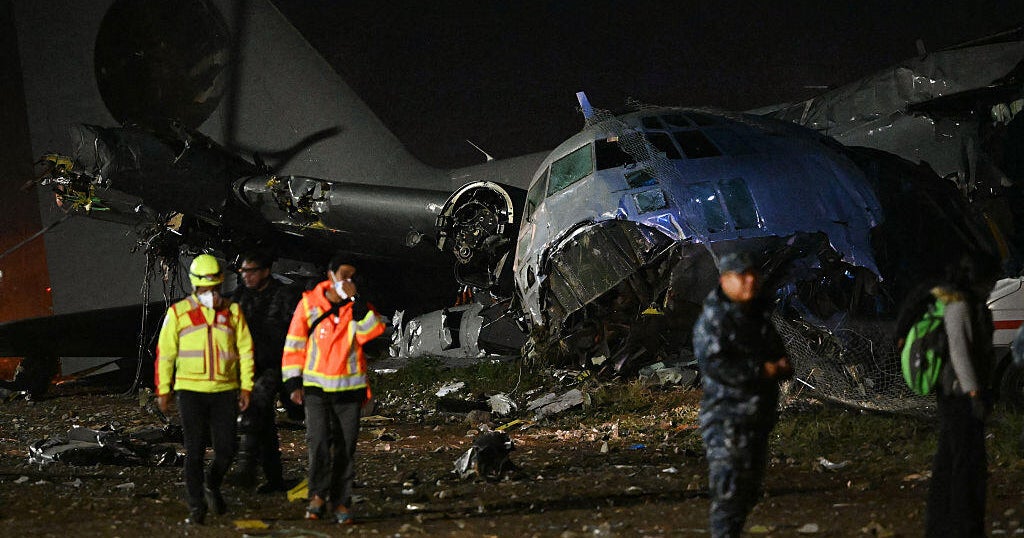
On Friday, what should have been a routine military cargo flight turned into a horrific tragedy when a Bolivian air force Hercules aircraft crashed near the country’s capital, leaving a scene of devastation and chaos. The military cargo plane, which was transporting newly printed banknotes from the Central Bank to various cities across Bolivia, went down in the city of El Alto, which sits adjacent to La Paz. According to Pavel Tovar, a local fire chief who responded to the emergency, at least 15 people lost their lives in the catastrophe. The crash site painted a grim picture: the aircraft had struck approximately a dozen vehicles traveling on a nearby highway before finally coming to rest in a field. The impact and subsequent fire left bodies scattered along the roadway, destroyed cars littered across the crash zone, and ironically, fresh banknotes from the aircraft’s cargo spread across the ground like tragic confetti marking the disaster site.
Confusion and Conflicting Reports Surround the Incident
In the immediate aftermath of the crash, authorities and witnesses struggled to piece together exactly what happened during the aircraft’s final moments. Fire Chief Tovar, while confirming the death toll of at least 15 people, could not immediately clarify whether those who perished were passengers and crew aboard the military aircraft or unfortunate motorists who were driving on the highway when the plane struck. Additionally, there were conflicting reports about whether the Hercules aircraft was attempting to take off from or land at the nearby La Paz airport when disaster struck. This confusion is typical in the chaotic hours following such a catastrophic event, as eyewitnesses provide varying accounts and emergency responders focus primarily on rescue efforts rather than investigation. Images circulating on social media platforms showed the massive wreckage of the military cargo plane, with debris scattered across a wide area. Firefighters who rushed to the scene worked quickly to extinguish the flames that had engulfed portions of the aircraft, preventing what could have been an even worse situation if the fire had spread to nearby structures or additional vehicles.
The Scene of Destruction and Emergency Response
The crash site presented emergency responders with a nightmarish scenario requiring immediate action on multiple fronts. According to Fire Chief Tovar’s assessment, at least 15 vehicles were involved in the collision or damaged by debris from the falling aircraft, though some reports suggested the number could be as high as a dozen. The highway, normally bustling with traffic in this densely populated area near Bolivia’s administrative capital, became a scene of twisted metal, broken glass, and tragedy. Rescue teams carefully navigated through the wreckage, searching for survivors while simultaneously working to identify and recover those who had perished. The firefighters’ quick response in extinguishing the flames proved crucial, as aviation fuel and the plane’s cargo created significant fire hazards. Medical personnel treated injured survivors at the scene before transporting them to nearby hospitals, though the exact number of injured individuals was not immediately confirmed. The severity of injuries ranged from minor to critical, according to preliminary reports. As word of the crash spread, families of potential victims began gathering near the site and at local hospitals, desperately seeking information about their loved ones.
The Unusual Cargo Creates Additional Chaos
What set this military plane crash apart from typical aviation disasters was the unusual nature of its cargo and the subsequent chaos that unfolded. The Hercules aircraft, a workhorse of military transport fleets worldwide, was serving a civilian function on this flight: transporting newly printed banknotes from Bolivia’s Central Bank to various cities throughout the country. This is a common practice in many nations, where military aircraft provide secure transportation for valuable currency. However, when the plane crashed, the impact tore open the cargo hold, releasing thousands upon thousands of bills into the air and across the crash site. Images that quickly spread across social media platforms showed an surreal and disturbing scene: while emergency responders worked desperately to save lives and recover bodies, crowds of people could be seen rushing toward the scattered money, scrambling to collect as many bills as they could. This opportunistic behavior, while perhaps understandable given Bolivia’s economic challenges, complicated the already difficult work of emergency personnel. Police in riot gear were deployed to the scene specifically to disperse the crowds and prevent further chaos, creating tense confrontations as officers tried to secure the area and protect the integrity of the crash site for investigators while also preventing the theft of government property.
Airport Operations Suspended and Investigation Begins
The catastrophic crash had immediate ripple effects throughout Bolivia’s transportation infrastructure. Authorities made the decision to temporarily suspend all flights to and from the La Paz airport terminal, a necessary safety precaution that nevertheless disrupted travel plans for countless passengers. This suspension allowed investigators to secure the area and begin the painstaking work of determining what caused the military aircraft to crash. Aviation safety experts would need to examine multiple factors: mechanical issues with the Hercules aircraft, which are aging planes in many military fleets worldwide; weather conditions at the time of the incident; pilot error or possible medical emergency among the crew; weight and balance issues related to the cargo of money being transported; and air traffic control communications and procedures. The wreckage itself serves as a crucial source of evidence, with investigators carefully documenting the position of debris, examining the aircraft’s flight data recorder if equipped with one, and interviewing any survivors who might provide insight into the plane’s final moments. The Bolivian government will likely request assistance from international aviation safety organizations, as crashes of this magnitude often benefit from expertise and resources beyond what a single nation can provide.
A Nation Mourns and Questions Remain
As Bolivia begins to process this tragedy, difficult questions emerge about military aviation safety, the practice of using military aircraft to transport currency, and the adequacy of emergency response procedures. The families of the victims—whether they were military personnel aboard the aircraft or civilians simply driving on the highway at the wrong moment—face unimaginable grief. The government will need to provide answers about how this happened and what measures will be implemented to prevent similar disasters in the future. The disturbing scenes of people collecting money from the crash site while bodies lay nearby also sparked a national conversation about poverty, desperation, and human nature in crisis situations. Some commentators expressed understanding for those who saw an opportunity to improve their economic circumstances, while others condemned the behavior as disrespectful to the dead and injured. Meanwhile, investigators continue their methodical work, knowing that their findings will be scrutinized by the victims’ families, the Bolivian public, and international aviation authorities. The recovery of all victims, the collection of scattered currency, and the clearing of the crash site will take days if not weeks. This tragedy serves as a sobering reminder of the risks inherent in aviation and the fragility of life, as a routine cargo flight transformed in moments into one of Bolivia’s deadliest aviation disasters in recent memory.