


Rising Tensions: Pakistan and Afghanistan Exchange Fire in Dangerous Border Escalation
A Conflict That Threatens Regional Stability
The fragile relationship between Pakistan and Afghanistan has reached a dangerous boiling point, with both nations engaging in military airstrikes over a tense 24-hour period that has left observers worried about the potential for wider regional conflict. Pakistan’s defense minister didn’t mince words when describing the situation, calling it nothing less than “open war.” This alarming characterization underscores just how seriously the situation has deteriorated between these two neighboring nations that share not only a border but also a complex and troubled history. The exchange of fire represents one of the most serious military confrontations between the two countries in recent memory, raising concerns among international observers about stability in an already volatile region of South Asia.
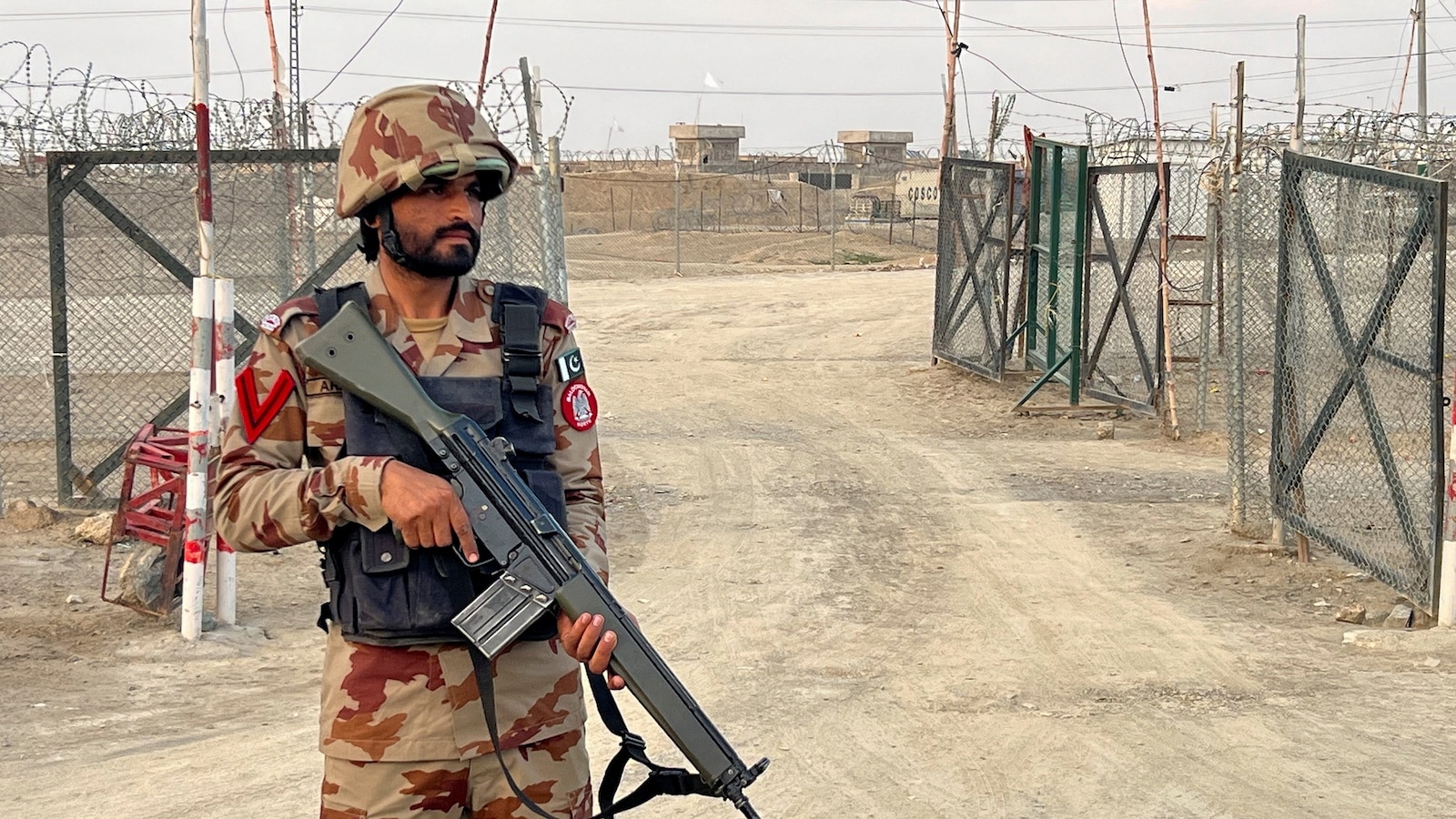
Pakistan’s Ministry of Foreign Affairs issued a stern warning on Friday that left little doubt about the country’s resolve to protect its territorial integrity and citizens. In their official statement, Pakistani officials made it crystal clear that they would not tolerate what they view as Taliban-supported terrorism emanating from Afghan soil. “Any further provocations by the Taliban regime, or attempts by any terrorist group to undermine the security and welfare of the people of Pakistan, will be met with a measured, decisive and befitting response,” the ministry declared. This strongly worded warning signals Pakistan’s willingness to take military action if it believes its security is being compromised, setting the stage for what could become an even more serious confrontation if diplomatic channels fail to cool temperatures between the two nations.
The Human Cost and Competing Claims
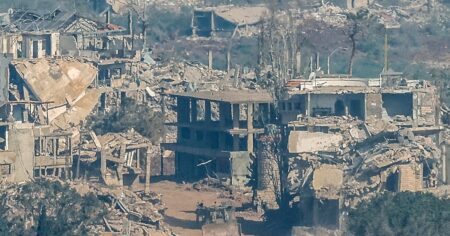
As with any military conflict, the most tragic aspect of this escalation has been the loss of human life on both sides of the border. Both Pakistan and Afghanistan have reported casualties, though the exact numbers remain disputed, with each side claiming to have inflicted greater losses on the opposing forces. This pattern of conflicting casualty reports is common in military confrontations, where propaganda and national pride often color the presentation of battlefield results. What cannot be disputed, however, is that real people—soldiers, and potentially civilians caught in the crossfire—have paid the ultimate price for this diplomatic failure. The human suffering caused by these airstrikes extends beyond those killed or wounded in the attacks themselves; families have been torn apart, communities disrupted, and the psychological trauma of living in a conflict zone affects countless individuals who call the border regions home.
The fog of war makes it difficult to independently verify the claims made by either side regarding casualties and military achievements. Pakistan insists that its strikes were surgical and targeted, aimed specifically at what it identifies as terrorist infrastructure and training camps operating with the tacit approval of Afghanistan’s Taliban government. Afghanistan, for its part, maintains that Pakistan has struck civilian areas and that the casualties include innocent people who have nothing to do with any militant activities. This discrepancy in narratives is typical of military conflicts, where each side seeks to portray itself as both effective in its military operations and morally justified in its actions. International observers and humanitarian organizations have called for independent investigations into the strikes to determine the true nature and extent of casualties, but in the current climate of mutual hostility, such investigations seem unlikely to happen anytime soon.
Pakistan’s Justification: Self-Defense Against Cross-Border Terrorism
From Pakistan’s perspective, these military strikes weren’t acts of aggression but rather necessary defensive measures taken to protect Pakistani citizens from terrorist attacks that originate in Afghan territory. Pakistani officials have long complained that the Taliban-led government in Afghanistan has either been unwilling or unable to prevent militant groups from using Afghan soil as a launching pad for attacks against Pakistan. The Pakistani government specifically points to groups that have carried out deadly attacks inside Pakistan, claiming these organizations operate training camps, plan operations, and find safe haven across the border in Afghanistan. “Pakistan’s actions were undertaken in exercise of its right to self-defense and to ensure the safety and security of its citizens, as well as that of the wider region and beyond,” the official statement emphasized, invoking the internationally recognized principle of self-defense that nations may use to justify military action.
This isn’t the first time Pakistan has accused Afghanistan of harboring groups hostile to Pakistani interests. The relationship between the two countries has been complicated for decades by questions of border security, tribal loyalties that cross national boundaries, and differing visions for the region’s future. Pakistan’s particular concern centers on groups that reject the Pakistani state’s authority and seek to destabilize the country through violence. The Pakistani government argues that it has repeatedly attempted to address these concerns through diplomatic channels, requesting that Afghanistan take action against these groups, but that these diplomatic efforts have yielded insufficient results. With domestic pressure mounting to respond to terrorist attacks that have claimed Pakistani lives, the government evidently concluded that military action was necessary to demonstrate its commitment to protecting its citizens and to physically degrade the capabilities of groups it views as existential threats.
Afghanistan’s Counter-Narrative: Deflection and Dialogue
The Islamic Emirate of Afghanistan, as the Taliban government officially calls itself, has responded to Pakistan’s accusations with a combination of denial, deflection, and calls for peaceful resolution. Zabihullah Mujahid, serving as spokesperson for the Afghan government, firmly rejected the notion that Afghanistan allows its territory to be used as a base for attacks against neighboring countries. He pointed to Afghanistan’s ongoing fight against ISIS as concrete evidence of the Taliban government’s commitment to maintaining regional security and preventing terrorist groups from operating within Afghan borders. This argument attempts to position the Taliban government as a responsible actor in regional security matters, despite the group’s own history and the international community’s widespread reluctance to grant it full diplomatic recognition.
Particularly interesting is Mujahid’s framing of Pakistan’s conflict with Tehrik-e-Taliban Pakistan (TTP) as essentially a domestic Pakistani problem rather than an issue that should involve Afghanistan. He argued that this conflict predates the current Afghan government’s tenure and suggested it was unreasonable for Pakistan to blame Afghanistan for what is fundamentally a long-running internal Pakistani conflict. This perspective shifts responsibility back onto Pakistan, implying that the root causes of Pakistan’s security challenges lie within its own borders and its own policies rather than in any failure by Afghanistan to control militant activity. Despite the heated rhetoric and military action, Mujahid emphasized that the Islamic Emirate prefers to resolve disputes through dialogue and understanding. He characterized Afghanistan’s military responses as purely defensive in nature and indicated that Afghan authorities remain open to peaceful negotiations to address Pakistan’s concerns and de-escalate the dangerous situation.
What Comes Next: The Path Forward
As both nations assess the damage and consider their next moves, the international community watches nervously, hoping that cooler heads will prevail before this conflict spirals further out of control. The exchange of airstrikes represents a significant escalation, but it hasn’t yet developed into sustained, large-scale military operations. This leaves a window of opportunity for diplomatic intervention, though that window may be closing rapidly if neither side is willing to back down from its stated positions. Regional powers like China, which has interests in both countries, and international organizations may attempt to mediate, but successful mediation requires both parties to genuinely want a peaceful resolution rather than military victory.
The fundamental issues driving this conflict—questions of border security, the presence of militant groups, state sovereignty, and domestic political pressures—won’t disappear even if immediate tensions are reduced. Both Pakistan and Afghanistan face the challenge of finding a sustainable framework for coexistence that addresses legitimate security concerns without resorting to military force. This will require not just dialogue between governments but also practical cooperation on border management, intelligence sharing, and coordinated action against groups that threaten both nations. The alternative—continued cycles of attack and retaliation—benefits no one except the extremist groups that thrive in chaos and use regional instability to advance their own agendas. The coming days and weeks will reveal whether Pakistan and Afghanistan can step back from the brink of what their own officials are calling “open war” or whether this dangerous escalation will continue, with all the human suffering and regional destabilization that would entail.