


Papa John’s Plans Major Restructuring: 300 Restaurant Closures by 2027
A Pizza Chain Struggling to Find Its Footing
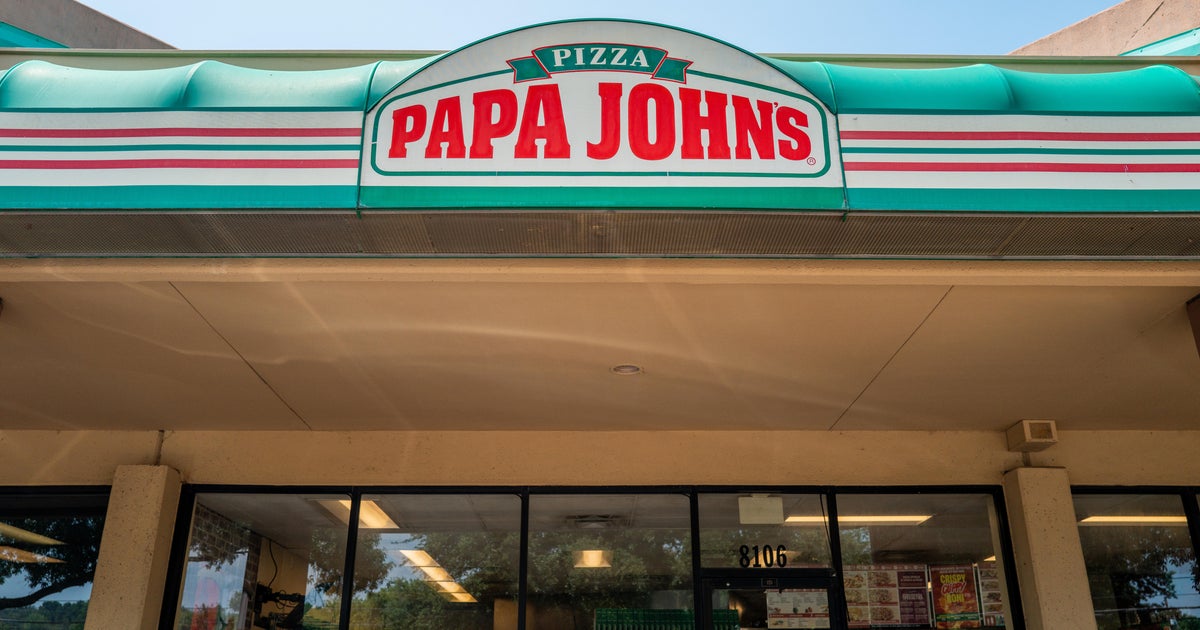
Papa John’s, one of America’s best-known pizza chains, is facing significant challenges that have prompted dramatic action from company leadership. The brand that once positioned itself as a premium alternative in the pizza delivery market is now planning to close approximately 300 restaurants over the next few years in a sweeping effort to turn around its fortunes. This announcement, delivered during a fourth-quarter earnings call with Wall Street analysts, represents a sobering acknowledgment that the company needs to make hard choices to remain competitive in an increasingly challenging restaurant industry landscape.
The closure plan will unfold in two phases, with 200 locations shutting down by the end of 2025, followed by an additional 100 closures by the end of 2027. For a company operating roughly 6,000 locations across approximately 50 countries and territories, this represents a significant contraction of about 5% of its global footprint. Chief Financial Officer Ravi Thanawala explained the reasoning behind these difficult decisions, noting that many of the targeted restaurants simply aren’t meeting the company’s brand expectations or showing any realistic pathway to becoming financially sustainable. In other cases, Papa John’s has identified situations where sales from a closing location can be effectively transferred to nearby outlets, allowing the company to maintain market presence while reducing operational overhead and complexity.
The Financial Reality Behind the Closures
The decision to close hundreds of restaurants doesn’t exist in a vacuum—it reflects broader struggles Papa John’s has faced in generating growth and maintaining profitability. The company’s February 2025 financial report painted a challenging picture: revenues of $2.1 billion that remained completely flat compared to the previous year, coupled with shrinking profits that have concerned investors and analysts alike. This stagnation in a period when many restaurant chains have managed to grow despite economic headwinds suggests Papa John’s is facing company-specific challenges beyond just difficult market conditions.
The financial markets have responded harshly to Papa John’s struggles. The company’s stock price has experienced a painful decline, falling 31% over the past year to trade at $31.85 per share as of the announcement. This kind of stock performance reflects investor skepticism about the company’s ability to execute a successful turnaround and return to growth. For shareholders who’ve watched the value of their investment decline by nearly a third, the closure announcements and restructuring efforts represent both a recognition of current problems and a hope that management is taking the necessary steps to address them. However, stock market reactions to turnaround plans are often mixed, as investors weigh the costs of restructuring against uncertain future benefits.
Workforce Reductions Add to Restructuring Efforts
The restaurant closures aren’t the only cost-cutting measure Papa John’s is implementing. In the same earnings call, CFO Thanawala revealed that the company has already reduced its corporate workforce by 7%, though he didn’t specify exactly when these layoffs occurred or whether additional job cuts might be coming. This reduction in headquarters staff suggests that Papa John’s recognizes the need to align its overhead structure with its reduced operational footprint and current revenue levels. For the employees affected by these layoffs, the news represents personal upheaval and uncertainty, adding a human dimension to what might otherwise seem like purely financial decisions.
As of March 2025, Papa John’s employed approximately 104,000 people in both corporate roles and in-store positions around the world, according to regulatory filings. The 7% reduction in corporate staff, combined with the closure of 300 restaurants, will inevitably affect many more workers beyond just those in headquarters positions. Restaurant closures mean that thousands of in-store employees—delivery drivers, pizza makers, shift managers, and customer service representatives—will need to find new employment or potentially transfer to other Papa John’s locations if available. The company hasn’t provided detailed information about which specific restaurants will close or what support will be offered to affected employees, leaving many workers in a state of uncertainty about their employment futures.
Competitive Pressures in the Pizza Industry
Papa John’s restructuring comes at a time when the pizza delivery and carryout industry faces intense competition from multiple directions. Traditional competitors like Domino’s and Pizza Hut continue to innovate with technology, menu offerings, and value propositions. Meanwhile, third-party delivery platforms have made it easier for consumers to order from local pizzerias and other restaurant types, fragmenting the market that national chains once dominated more completely. Add to this the rise of fast-casual dining options and changing consumer preferences around health and ingredient quality, and it becomes clear why Papa John’s is struggling to maintain its market position.
The company’s historical positioning as a premium pizza option—famously advertised with the slogan “Better Ingredients, Better Pizza”—has become more difficult to maintain in a market where consumers are increasingly price-conscious yet also have higher expectations for food quality across all price points. Papa John’s has found itself in an uncomfortable middle ground: not inexpensive enough to compete primarily on value, yet not differentiated enough to command consistent premium pricing. This identity challenge has likely contributed to the stagnant sales and underperforming locations that are now being addressed through closures. Successfully navigating this competitive landscape will require more than just shuttering underperforming stores—it will demand a clear strategic vision for what Papa John’s stands for and who its core customers are.
What This Means for Customers and Communities
For customers who regularly order from Papa John’s locations that are slated for closure, the changes will mean adjusting to new routines. In some cases, as CFO Thanawala mentioned, the company expects to transfer sales to nearby locations, suggesting that many customers will still have access to Papa John’s, just from a different restaurant than before. However, this could mean longer delivery times, different staff members, and potentially less convenient ordering experiences. In communities where Papa John’s is closing a location without another nearby, residents will lose a familiar dining option and employer, which can be particularly impactful in smaller towns or neighborhoods where restaurant choices are more limited.
The broader implications of these closures extend beyond immediate inconvenience. Restaurant locations serve as community gathering places and employment centers, particularly for young people seeking their first jobs or individuals looking for flexible work schedules. When a Papa John’s closes, it’s not just a corporate restructuring decision—it’s a change that ripples through the local economy, affecting employees, landlords, suppliers, and neighboring businesses. The company hasn’t released information about which specific locations will close, leaving communities across the country wondering whether their local Papa John’s will be among those shuttered. This uncertainty can be unsettling for both employees and regular customers who’ve developed relationships with their neighborhood pizza place over the years.
Looking Ahead: Can Papa John’s Turn Things Around?
The strategic question facing Papa John’s leadership is whether closing underperforming locations and reducing corporate overhead will be sufficient to return the company to growth. History shows that restaurant chain turnarounds are challenging and success is far from guaranteed. The closures will presumably improve financial metrics by eliminating money-losing operations, but they don’t directly address the fundamental question of why Papa John’s has struggled to grow sales in recent years. True recovery will require not just cost-cutting but also revenue growth—attracting new customers, increasing order frequency among existing customers, and potentially raising prices without driving people away.
Papa John’s will need to execute on multiple fronts simultaneously: improving its value proposition to compete more effectively, investing in technology and delivery capabilities, refreshing its menu to reflect changing tastes, and potentially repositioning its brand to resonate with today’s consumers. The resources freed up by closing unprofitable locations and reducing corporate staff could theoretically be redirected toward these growth initiatives, but there’s no guarantee such investments will pay off. For a company whose stock has fallen 31% in a year and whose revenues are stagnant, the pressure to show results is intense. Investors, employees, and franchisees will all be watching closely to see whether this restructuring represents the beginning of a successful turnaround or merely a temporary cost-cutting measure that delays but doesn’t solve deeper strategic challenges. The next few years will be critical in determining whether Papa John’s can reclaim its position as a thriving player in the competitive pizza industry or whether it will continue to struggle in an increasingly difficult market environment.