



Daring Art Heist: Masterpieces Stolen from Italian Museum in Lightning-Fast Robbery
A Shocking Theft in the Italian Countryside
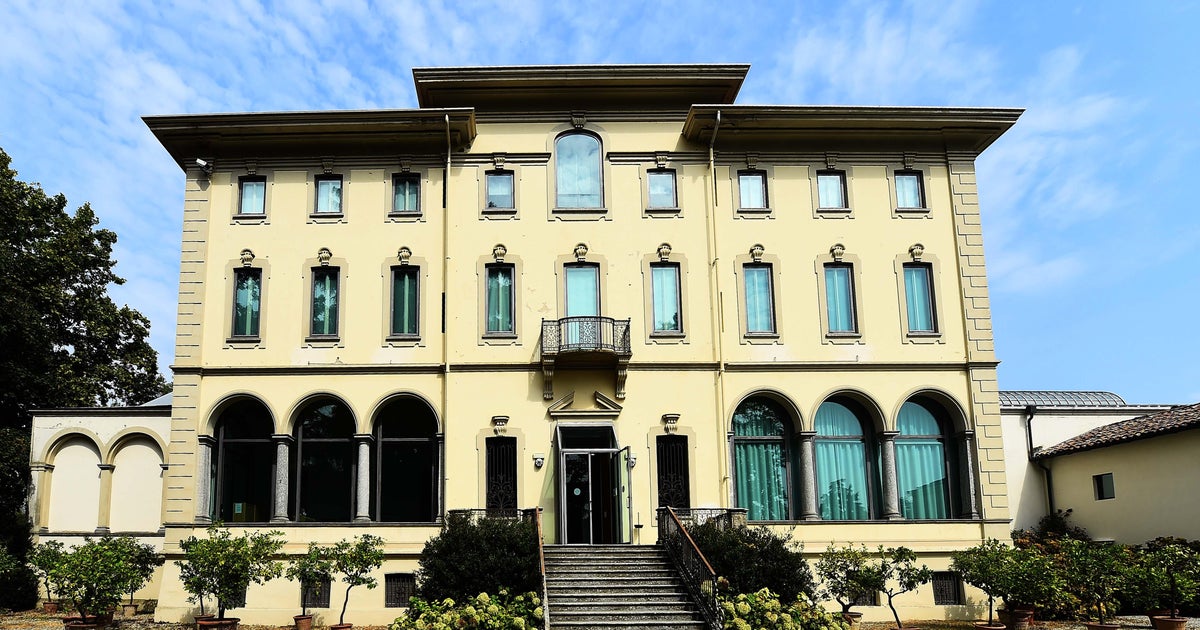
In a brazen overnight robbery that has sent shockwaves through the international art world, thieves successfully stole three priceless paintings from a prestigious museum near Parma, Italy. The audacious heist, which took place during the night of March 22-23, targeted the Magnani Rocca Foundation, a renowned private museum nestled in the tranquil countryside about 12 miles outside of Parma in northern Italy. According to police reports released on Monday, the criminals made off with works by three legendary impressionist and post-impressionist masters: Auguste Renoir, Paul Cézanne, and Henri Matisse. The stolen masterpieces include Renoir’s “Fish,” Cézanne’s “Still Life with Cherries,” and Matisse’s “Odalisque on the Terrace”—paintings collectively valued at millions of dollars. The thieves gained entry by forcing open the museum’s entrance door, demonstrating both determination and planning in their approach to this high-stakes crime.
A Meticulously Planned Operation
What makes this theft particularly striking is the speed and precision with which it was executed. Local media reports indicate that the perpetrators were in and out of the museum in less than three minutes—a timeframe that suggests extensive planning and reconnaissance. The thieves knew exactly what they wanted and where to find it, moving through the museum with the efficiency of professionals who had studied the layout in advance. After securing the three paintings, they made their escape across the museum’s gardens, likely having pre-planned their exit route to ensure a quick getaway. The museum administration believes they were dealing with a “structured and organized gang” rather than opportunistic thieves, pointing to the sophisticated nature of the operation. The alarm system did activate during the break-in, but the thieves had timed their operation to allow them to complete their mission and flee before security or police could respond. This level of coordination and speed indicates these weren’t amateurs but rather experienced art thieves who understood both the value of what they were taking and how to minimize their time at the crime scene.
A Cultural Treasure Under Attack
The Magnani Rocca Foundation represents far more than just another museum—it’s a cultural institution housing an extraordinary private collection that has been shared with the public for decades. Founded in 1977, the foundation preserves and displays the personal collection of Luigi Magnani, a distinguished art historian who dedicated his life to acquiring and studying masterworks. Beyond the three stolen pieces, the museum’s collection includes an impressive array of works by other artistic giants such as Albrecht Dürer, Peter Paul Rubens, Anthony Van Dyck, Francisco Goya, and Claude Monet. The foundation’s location in a villa surrounded by the peaceful countryside had always been part of its charm, offering visitors a serene setting to appreciate world-class art away from the hustle of major cities. However, this relative isolation may have also made it a more vulnerable target for determined criminals. The museum remained closed on Monday following the theft and did not immediately post any public statement about the incident on its website, as staff and authorities worked to assess the full extent of the damage and begin their investigation.
The Stolen Masterpieces and Their Significance
The three paintings stolen represent important works from three of the most celebrated artists in Western art history, making their loss particularly painful for the art community. Auguste Renoir’s “Fish” showcases the French impressionist’s characteristic soft brushwork and luminous color palette that made him one of the most beloved painters of the 19th century. Paul Cézanne’s “Still Life with Cherries” is representative of the artist’s revolutionary approach to form and perspective that would later influence the development of Cubism and modern art. Henri Matisse’s “Odalisque on the Terrace” reflects the French artist’s fascination with color, pattern, and the female form that defined much of his career. Each of these works carries not only significant monetary value but also irreplaceable cultural and historical importance. The specific dollar value hasn’t been disclosed, but paintings by these masters regularly sell for tens of millions of dollars at auction, with some fetching even higher prices. Beyond their market value, these paintings are part of humanity’s shared cultural heritage, and their theft represents a loss that extends far beyond any individual or institution.
Part of a Troubling Pattern Across Europe
This robbery in Parma is unfortunately not an isolated incident but rather the latest in a disturbing trend of high-profile art thefts targeting major European museums and cultural institutions. The article references a particularly significant heist that occurred in October at the Louvre in Paris, where thieves managed to steal jewels and other valuable items worth an estimated $101 million. These sophisticated crimes suggest the existence of an international network of art thieves and black-market dealers who specifically target cultural institutions. European museums, many housed in historic buildings that weren’t designed with modern security threats in mind, face ongoing challenges in protecting their collections while remaining accessible to the public. The frequency and audacity of these thefts have raised serious questions about museum security protocols and whether cultural institutions need to invest more heavily in advanced security systems, despite the financial strain many already face. Art crime experts note that stolen masterpieces are extremely difficult to sell on the legitimate market, leading to speculation that such thefts are either commissioned by unscrupulous private collectors or are intended to hold the artworks for ransom from insurance companies or the museums themselves.
The Road Ahead: Investigation and Hope for Recovery
As Italian authorities launch their investigation into this theft, they face significant challenges but also have reasons for optimism. Modern art crime investigation has become increasingly sophisticated, with international databases tracking stolen artworks and cooperation between law enforcement agencies across borders improving significantly in recent years. Organizations like INTERPOL maintain extensive art crime units that work specifically on cases like this, and the art world’s relatively small size means that attempting to sell such recognizable works is extremely risky for thieves. Many stolen masterpieces have been recovered years or even decades after their theft, sometimes through tips from informants, sometimes when thieves attempt to negotiate ransoms, and occasionally when they try to sell the works and are caught. The Magnani Rocca Foundation, along with Italian cultural authorities, will undoubtedly be working closely with international law enforcement to track down these three precious paintings. Meanwhile, the incident serves as a sobering reminder of the vulnerability of cultural institutions and the ongoing need to balance public access to art with the security measures necessary to protect these irreplaceable treasures for future generations. The art world watches and waits, hoping that Renoir’s “Fish,” Cézanne’s “Still Life with Cherries,” and Matisse’s “Odalisque on the Terrace” will soon be recovered and returned to their rightful place on the museum’s walls.