


Trump’s Border Czar Maintains ICE Presence at Airports During Historic DHS Shutdown
ICE Agents to Continue Airport Security Support Despite TSA Payment
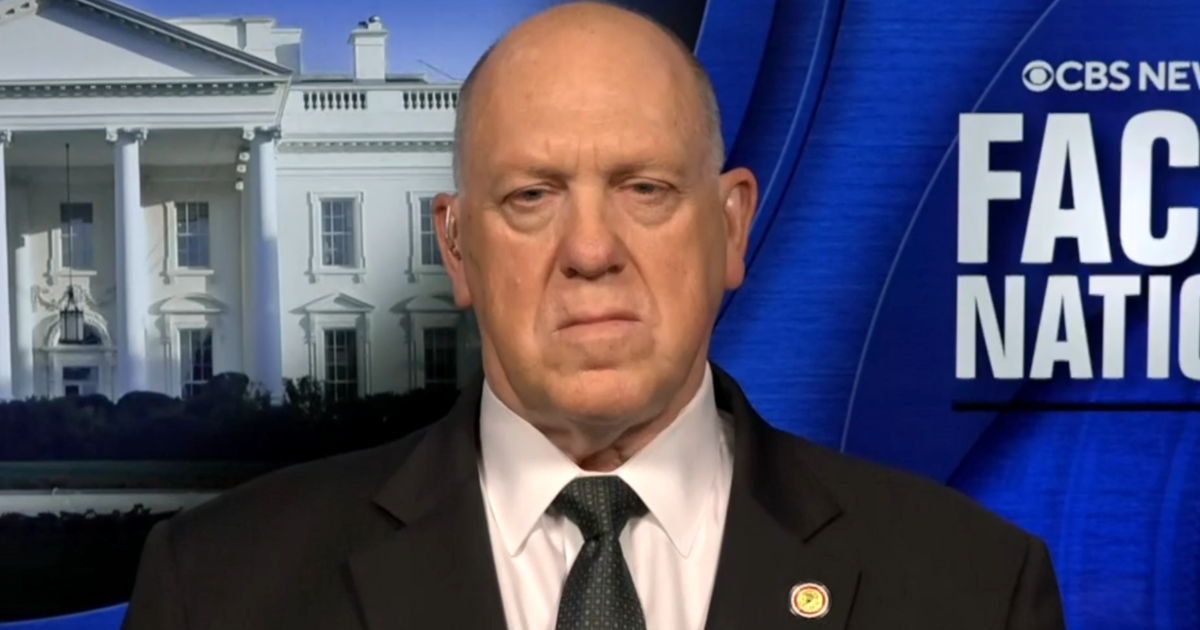
The ongoing government shutdown affecting the Department of Homeland Security has entered its sixth week, creating unprecedented challenges for airport security and immigration enforcement. Tom Homan, serving as the Trump administration’s border czar, made it clear during his Sunday appearance on “Face the Nation” that Immigration and Customs Enforcement agents will maintain their presence at airports indefinitely. While President Trump has signed an executive order to ensure Transportation Security Administration workers receive their paychecks after more than a month without pay, Homan emphasized that ICE agents won’t be leaving airport security posts anytime soon. “We’re going to continue a nice presence there, and until the airports feel like they’re 100%, you know, in a posture where they can do normal operations,” Homan explained. The situation has become increasingly urgent as the TSA reported that approximately 500 agents have resigned since the shutdown began, creating significant gaps in airport security staffing. Homan made it clear that the math is simple: fewer TSA agents returning to work means more ICE agents will need to stay in place to maintain security standards.
Congressional Deadlock Leaves Homeland Security in Limbo
The political stalemate in Congress has left the Department of Homeland Security without funding for over 40 days, with no clear resolution on the horizon. Early Friday morning, the Senate managed to pass a funding bill for DHS, but it conspicuously excluded money for ICE and other immigration removal operations. The House of Representatives promptly rejected this Senate version and countered with their own proposal that would extend funding for the entire department, including ICE, for a 60-day period. These competing legislative approaches have created what appears to be an intractable standoff, with both chambers refusing to budge from their positions. The partisan divide reflects deeper disagreements about immigration enforcement priorities and the role of federal agencies in carrying out the Trump administration’s border security agenda. Meanwhile, essential government operations hang in the balance, and thousands of federal workers face uncertainty about their financial futures. President Trump’s decision to redirect funds to pay TSA agents addresses one immediate crisis, but it doesn’t solve the broader funding challenge facing the department responsible for protecting America’s borders, coastlines, and critical infrastructure.
Selective Funding Creates Two-Tier System Within DHS
The current shutdown has created an unusual situation where some parts of the Department of Homeland Security continue operating normally while others face severe constraints. ICE and Customs and Border Protection received substantial funding increases through President Trump’s 2025 “One Big, Beautiful Bill,” allowing these immigration enforcement agencies to maintain full operations despite the broader departmental shutdown. Secret Service personnel are also receiving their paychecks throughout this period, ensuring presidential protection remains uninterrupted. However, other critical agencies within DHS are operating in a precarious state. The Federal Emergency Management Agency (FEMA), the Cybersecurity and Infrastructure Security Agency (CISA), and the U.S. Coast Guard have not received dedicated funding, though active-duty Coast Guard members are currently being paid through discretionary funds. This selective funding approach has raised questions about priorities within homeland security, with critics arguing that emergency management and cybersecurity deserve the same attention and resources as immigration enforcement. The situation highlights how political battles over immigration policy are having far-reaching consequences for other aspects of national security.
Controversial Immigration Enforcement Operations Face Increased Scrutiny
Immigration removal operations have drawn criticism throughout the Trump administration, but recent events have intensified concerns about tactics employed by ICE and Customs and Border Protection. The situation reached a crisis point in Minneapolis during January, where two separate incidents resulted in immigration officers fatally shooting two U.S. citizens, Renee Good and Alex Pretti. These tragic deaths sparked widespread outrage and demands for accountability, prompting Tom Homan to personally take control of the Minneapolis operation. The controversy extended beyond street-level enforcement to the highest levels of the Department of Homeland Security. Former DHS Secretary Kristi Noem, who had become an internal rival to Homan within the administration’s power structure, departed her position earlier this month amid questions about advertising contracts awarded under her leadership. Former Oklahoma Senator Markwayne Mullin was quickly sworn in as her replacement last week, bringing a fresh face to a department battered by criticism and internal turmoil. These leadership changes come at a critical moment when the department needs stability and clear direction, but instead faces funding uncertainty and growing public concern about enforcement methods.
Democrats Demand Reforms While Republicans Claim Changes Already Made
The political battle over DHS funding has become inseparable from larger debates about immigration enforcement reform. Democrats in Congress have taken a firm stance, refusing to approve any budget for the department that doesn’t include meaningful reforms to how immigration enforcement is conducted. While the Senate-passed funding bill didn’t include comprehensive reforms, Democrats celebrated it as a strategic victory because it would deny funding to ICE while allowing time for additional negotiations on policy changes. However, Tom Homan pushed back hard against these Democratic demands during his Sunday interview, arguing that the Trump administration has already implemented the reforms being requested. He specifically pointed to funding for body cameras as an example of Democrats creating obstacles to their own stated goals. “The bill they’re holding up right now actually gives $120 million to buy more cameras,” Homan said, expressing frustration with what he sees as political game-playing. His message to Democrats was straightforward: if they want different laws governing immigration enforcement, they should change the laws through the legislative process rather than holding up funding. “We’re enforcing laws they enacted,” Homan insisted, framing ICE agents as simply doing their jobs according to existing legal requirements rather than making policy decisions.
Sensitive Locations Policy Creates Confusion and Controversy
One of the specific reform demands from Democrats involves ICE operations at sensitive locations, including hospitals, houses of worship, and schools. The Trump administration announced a significant policy shift in January 2025 that would allow arrests at these previously protected locations, reversing longstanding guidelines that recognized these places as deserving special consideration. Democrats have demanded that ICE return to the previous policy of avoiding enforcement actions at these sensitive sites. Tom Homan addressed this controversy directly on Sunday, claiming that despite the policy change, ICE agents aren’t actually conducting arrests at churches, schools, or hospitals in practice. “You can’t point to one instance when we actually went into a church and school because we try very hard to wait for people to leave places,” Homan insisted. He explained that agents prefer to wait for individuals to leave these locations before making arrests, either at their homes or elsewhere in the community, specifically because they recognize the sensitivity of conducting immigration enforcement at these sites. However, critics argue that simply having the policy in place creates fear and uncertainty in immigrant communities, potentially deterring people from seeking medical care, attending religious services, or sending children to school. The gap between stated policy and claimed practice has done little to reassure those concerned about aggressive immigration enforcement tactics, and the issue remains a significant sticking point in negotiations over DHS funding.