

America’s Growing Health Crisis: A Conversation About Trust, Vaccines, and Leadership
The Trust Deficit in American Healthcare
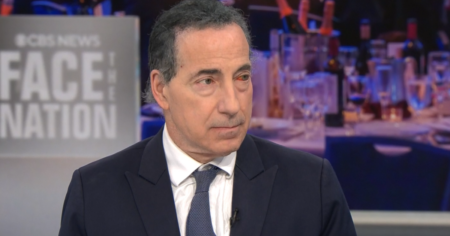
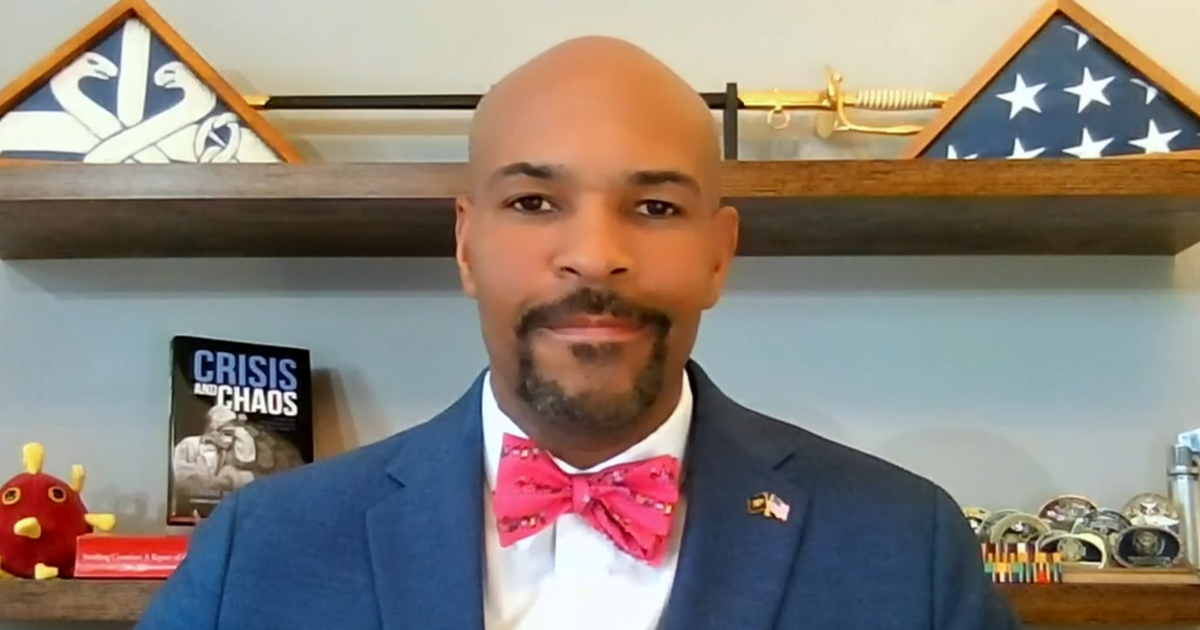
In a candid interview on “Face the Nation,” Dr. Jerome Adams, who served as Surgeon General during President Trump’s first administration, delivered a sobering assessment of America’s health landscape. Speaking from Indianapolis, Dr. Adams didn’t mince words about what he sees as the nation’s most critical health challenge—and surprisingly, it’s not the issues that typically dominate headlines like the opioid crisis or rising obesity rates. Instead, Dr. Adams identified a more fundamental problem: the erosion of public trust in health institutions and leadership.
The statistics Dr. Adams cited paint a troubling picture of this trust deficit. While approximately 70% of Americans continue to support childhood vaccines and school vaccine mandates—demonstrating that the general public still believes in the science behind immunization—a similar majority has expressed distrust in health information coming from current health officials, including Robert Kennedy and surgeon general nominee Dr. Casey Means. This contradiction reveals a country caught between scientific consensus and institutional skepticism, where citizens believe in the medicine but question the messengers. Dr. Adams warned that failing to acknowledge or address this plummeting trust—or worse, accelerating it through poor leadership choices—will have real consequences for American health outcomes. He even cited polling data from Fabrizio Ward, a Republican polling firm, suggesting that this trust crisis could hurt Republican candidates in upcoming November elections, indicating that the political ramifications extend beyond just public health concerns.
The Measles Outbreak and Crumbling Infrastructure
The conversation turned to a concrete example of how this trust crisis manifests in real-world consequences: a dramatic surge in measles cases across the United States. According to CDC data, there have been more than 1,500 confirmed measles cases since January of this year—a staggering increase when you consider that 2024 saw about 250 cases for the entire year. Dr. Adams explained that while measles cases occur annually, the current outbreak represents something fundamentally different and more dangerous than typical patterns.
The reason for this explosive growth, according to Dr. Adams, lies in the systematic dismantling of the public health infrastructure that has historically contained such outbreaks. Nearly 20,000 positions have been cut from the Department of Health and Human Services, decimating the workforce that typically responds to disease outbreaks. The CDC, which has traditionally served as the frontline defense against infectious disease spread, has seen its capacity severely reduced. In normal circumstances, when a measles case appears, public health officials can quickly trace contacts, provide post-exposure prophylaxis, and contain the spread so that one case might lead to only two or three additional infections before being stopped. Now, without adequate staffing and resources, single cases are exploding into clusters of 20, 50, or even 100 infections before health departments can mount an effective response.
Compounding this infrastructure problem is another troubling trend: falling vaccination rates across multiple states. Dr. Adams pointed to Utah, Colorado, Florida, Georgia, and Kentucky as examples of states that have fallen below the critical 95% vaccination threshold needed for “herd immunity”—the level at which enough people are vaccinated to protect even those who cannot be vaccinated due to medical reasons. Measles is one of the most contagious diseases known to medicine, with each infected person typically spreading the virus to 12-18 others in an unvaccinated population. The further states drop below that 95% threshold, the more vulnerable their populations become to explosive outbreaks that can overwhelm even a well-functioning public health system—which America currently does not have.
The Political Tightrope: MAHA, MAGA, and Vaccine Messaging
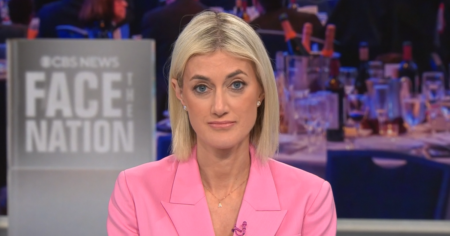
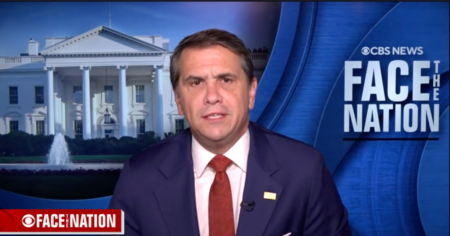
The interview delved into the political dimensions of the health trust crisis, particularly how Republican leadership is navigating the tension between public health science and vaccine skepticism within their base. Margaret Brennan referenced a memo from Tony Fabrizio, a prominent Republican pollster who continues to advise President Trump and other Republican candidates. In his memo, Fabrizio wrote that “policies related to vaccines and vaccine safety need to be addressed carefully and with nuance,” acknowledging that overall, only a slim majority of voters remain unconvinced about negative health impacts from vaccines.
This careful political calculus reflects a party trying to balance two potentially conflicting priorities: the “Make America Healthy Again” (MAHA) messaging that resonates with voters concerned about chronic disease, processed foods, and healthcare costs, and the vaccine skepticism that has gained traction among portions of the Republican base. Fabrizio’s polling suggested that MAHA health guidance resonates more strongly with the majority of voters than vaccine skepticism, signaling to Republican candidates what messages might prove more electorally successful.
Dr. Adams acknowledged understanding why parents feel frustrated with the healthcare system, noting that “it is not working for people.” As a physician, he emphasized the importance of respecting patient autonomy—a core principle of medical ethics. However, he drew a crucial distinction between respecting individual medical decisions and what he sees happening at the leadership level: health officials actively sowing distrust in vaccines and the healthcare system itself. Dr. Adams argued that these two goals—respecting autonomy while providing clear, science-based guidance—are not mutually exclusive. Healthcare providers can and should facilitate conversations between patients and their doctors, pharmacists, or nurses, while simultaneously being clear about what the scientific evidence shows: that childhood vaccines for diseases like measles, mumps, and rubella are safe, effective, and represent “the most important public health achievement of our lifetimes.”
The Casey Means Controversy: Qualifications and Credibility
A significant portion of the interview focused on Dr. Casey Means, President Trump’s nominee for Surgeon General, and whether she possesses the qualifications and credibility necessary for the role. During her confirmation hearing, Senator Bill Cassidy, who chairs the health committee and is himself a physician, asked Dr. Means whether she would recommend a mother vaccinate her child against measles. Her response was carefully calibrated: she stated she’s not an individual’s doctor, that every person needs to consult their own physician before taking any medication, but that she is “absolutely supportive of the measles vaccine” and believes “vaccines save lives and are an important part of the public health strategy.”
For Dr. Adams, this response fell far short of what the moment demands. He pointed out that this statement of support came only after “much pressing and equivocating” during the hearing. While Dr. Means correctly noted she’s not an individual patient’s doctor, Dr. Adams emphasized that she’s applying to be “the nation’s doctor”—a role that requires clear, unambiguous guidance on critical public health issues. He drew a parallel to his own experience: when he became Surgeon General during the opioid epidemic and overdose crisis, it would have been unacceptable for him to say that he couldn’t recommend naloxone (the opioid overdose reversal medication) and that people should just talk to their doctors about it. In a public health emergency, the Surgeon General must be able to provide clear guidance.
Beyond the vaccine issue, Dr. Adams raised what he considers fundamental qualification concerns. Dr. Means does not hold an active medical license—she has placed her license on inactive status. If confirmed, she would be the first Surgeon General in history to serve without an active medical license. Dr. Adams noted that every physician, nurse, and pharmacist in the Public Health Service Corps is required to maintain an active license, and that he had to fire people during his tenure for failing to meet this requirement. The symbolism and practical implications are significant: how can someone serve as the nation’s chief medical spokesperson while not maintaining the credentials to practice medicine?
HHS Secretary Robert Kennedy has defended the nomination, describing Dr. Means as “perfect for this job” precisely because she represents disruption. He characterized the Surgeon General role as “a symbol of moral authority who stands against the financial and institutional gravities that corporatize medicine,” and praised Dr. Means for being “a great student and surgical resident” who “left traditional medicine because patients weren’t getting better.” In this framing, her departure from conventional medical practice is presented not as a disqualification but as evidence of her willingness to challenge a broken system. However, Dr. Adams countered this argument by citing recent polling: an Axios survey found that 68% of respondents said they would not trust health advice from a Surgeon General Casey Means. If the goal is to restore trust in public health institutions, starting with a nominee whom the public has already indicated they won’t trust seems counterproductive.
Social Media’s Impact on Youth Mental and Physical Health
The conversation shifted to another pressing health concern: the impact of social media on children and adolescents. This topic gained renewed urgency following recent legal developments, including a New Mexico jury finding that Meta (the parent company of Facebook, Instagram, and WhatsApp) violated consumer protection laws by misleading users about the safety of its platforms, and a California lawsuit linking Meta to a young woman’s depression.
As both a physician and a parent of three teenagers, Dr. Adams spoke with particular conviction about this issue. He referenced a report from Surgeon General Vivek Murthy that compiled growing evidence showing links between social media use—particularly at younger ages—and increased anxiety, depression, and sleep disruption. The sleep issue is particularly concerning because inadequate sleep contributes not only to mental health problems but also to obesity, creating a cascade of health consequences. Dr. Adams drew a comparison between social media today and cigarettes in previous generations, noting that just as earlier Surgeon Generals identified and publicized the harms of tobacco, current health leaders must be equally clear about the documented harms of excessive social media exposure.
A particularly troubling aspect of the social media crisis, revealed in recent lawsuits, is that these platforms were specifically designed to be addictive—and that companies deliberately targeted children and adolescents, much as tobacco manufacturers once did. The algorithms that determine what content users see are engineered to maximize engagement, which often means triggering emotional responses that keep young people scrolling for hours. The psychological manipulation involved raises serious ethical questions about corporate responsibility and the adequacy of current regulatory frameworks.
Dr. Adams expressed support for policy interventions, noting that Australia has already banned social media for people under 16, and approximately 25 U.S. states are discussing or have already passed legislation to keep social media and phones out of schools. Specific recommendations include the advice from the American Academy of Pediatrics and the California Health Department that cellphones should not be allowed in children’s bedrooms—a recommendation that Secretary Kennedy also made at the Conservative Political Action Conference. The reasoning is straightforward: phones in bedrooms keep children awake at night, disrupt healthy sleep patterns essential for development, and subject young people to constant potential cyberbullying even during hours that should be restful and recuperative.
Finding Common Ground in a Polarized Health Landscape
Despite his significant concerns about the direction of health policy and leadership, Dr. Adams emphasized his desire to “find common ground” with Secretary Kennedy and the current administration on issues where agreement exists. The cellphone and social media recommendations represent one such area of consensus. Both men recognize the documented harms these technologies pose to young people and support protective measures like keeping devices out of bedrooms and limiting school access.
This willingness to identify areas of agreement, even while maintaining strong disagreements on other issues like vaccine messaging and leadership qualifications, reflects the pragmatic approach that public health ultimately requires. The challenges facing American health—from infectious disease outbreaks to the mental health crisis among youth to chronic diseases linked to diet and lifestyle—are too serious to be entirely subordinated to political tribalism. Effective responses will require cooperation across ideological lines, drawing on the best available scientific evidence while respecting the legitimate concerns and values that Americans across the political spectrum bring to these discussions.
The interview with Dr. Jerome Adams ultimately painted a picture of American public health at a crossroads. The infrastructure that has protected the nation from infectious disease outbreaks for generations has been significantly weakened. Trust in health institutions and leaders has eroded to dangerous levels. Leadership nominations prioritize disruption over traditional qualifications. And emerging threats like social media’s impact on youth mental health demand responses that our current fractured political environment struggles to provide. Whether the nation can navigate these challenges successfully may depend on the ability of health leaders to speak clearly and honestly about scientific evidence, to maintain professional standards and credibility, and to rebuild the trust that makes effective public health responses possible. The measles outbreak currently spreading across multiple states serves as a test case—and an urgent warning about the consequences of getting these fundamentals wrong.