


Understanding the Iran Conflict: Expert Analysis on Military Strategy and Diplomatic Prospects
The Challenge of Negotiating with a Regime Fighting for Survival
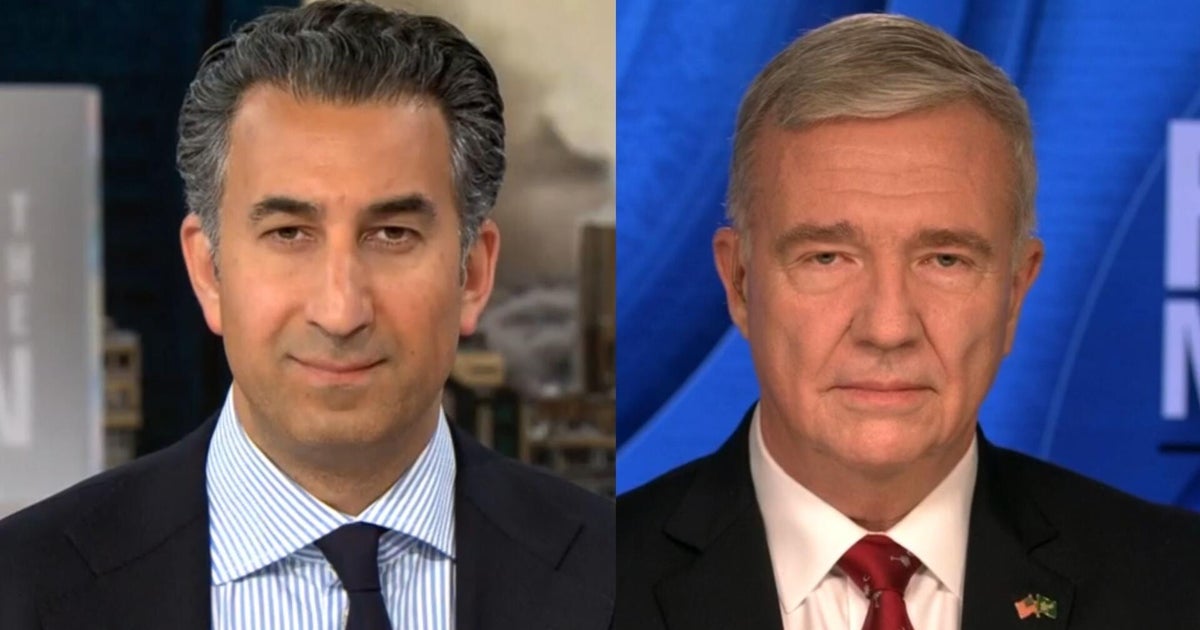
The ongoing military conflict with Iran presents one of the most complex foreign policy challenges facing the United States today. According to Iran policy analyst Karim Sadjadpour, the situation is fundamentally different from typical international disputes because the Islamic Republic believes it has leveraged the global economy as a hostage through its control of critical oil shipping routes. The Iranian regime, which came to power in 1979 by taking American diplomats hostage, is now fighting what it perceives as a war for its very survival, while simultaneously seeking revenge against President Trump for past actions. This combination makes negotiation extraordinarily difficult. The Trump administration has put forward a 15-point proposal, but Iran has yet to respond, and Secretary of State Rubio has expressed uncertainty about who exactly would represent Iran in potential negotiations. Many Iranian leaders are literally fighting for their lives, hiding underground as military operations continue. Meanwhile, mediators from Pakistan, Turkey, and Egypt have gathered in Islamabad attempting to find pathways toward de-escalation, but the prospects for meaningful dialogue remain uncertain as long as Iran sees the trend lines moving in its favor—with oil prices rising and American public support for military action declining.
Military Operations to Reopen the Strait of Hormuz
Retired General Frank McKenzie, former CENTCOM commander, provides insight into the military campaign to reopen the Strait of Hormuz, the critical waterway through which a significant portion of the world’s oil supply flows. According to McKenzie, the U.S. military is executing a plan that has been developed and simulated over many years, and surprisingly, operations are progressing even faster than those simulations predicted. The current military strategy focuses on establishing complete air superiority over southern Iran on a continuous, 24/7 basis. This allows American forces to identify and destroy Iranian short-range missiles, drones, and other weapons systems that could threaten shipping in the strait. Once these capabilities are sufficiently degraded, the next phase would involve mine-sweeping operations if necessary, though McKenzie notes that intelligence hasn’t yet confirmed whether Iran has actually deployed mines in the waterway. The general expresses confidence that the military has both the capability and resources to reopen the strait under any conditions Iran might create, whether through negotiated settlement or continued military pressure. He emphasizes that these aren’t improvised plans but rather carefully developed contingencies that the U.S. military has been refining for years, demonstrating the depth of planning that goes into such complex operations.
The Expansion of the Conflict and Regional Implications
The conflict has shown signs of expanding beyond the immediate theater of operations in and around Iran. Over the weekend preceding the interview, the Houthi militia in Yemen—a group supported and armed by Iran—entered the fight by firing on Israel, raising concerns about disruption to maritime traffic through both the Strait of Hormuz and the Red Sea passage near the Bab el Mandeb strait leading to the Suez Canal. However, General McKenzie downplays the significance of this development, arguing that while the Houthis can slow commercial traffic, their ability to actually attack Israel is quite limited. He acknowledges that preventing Houthi interference with Red Sea shipping would require additional U.S. military resources, but insists those resources are available and can be deployed if necessary. This expansion illustrates the complex web of proxy relationships that Iran has cultivated throughout the Middle East, giving it multiple pressure points it can activate to complicate American military operations. The involvement of these various militia groups transforms what might appear to be a bilateral conflict between the United States and Iran into a regional confrontation with multiple actors, each with their own capabilities and limitations, making both military planning and diplomatic resolution significantly more challenging.
The Question of Iranian Leadership and Negotiating Partners
A critical question hanging over any potential diplomatic resolution concerns who exactly would represent Iran in negotiations and whether they have the authority and willingness to make meaningful compromises. President Trump has noted that Israeli strikes have killed what he described as “second tier pragmatist types” within the Iranian government—individuals he had hoped might be potential negotiating partners. The name that has emerged most prominently in recent discussions is Mohammad Bagher Ghalibaf, the Speaker of Iran’s Parliament. Sadjadpour provides important context about Ghalibaf, noting that he is a former senior Revolutionary Guard commander and close advisor to Mojtaba Khamenei, positioning him as someone who aspires to be Iran’s modern strongman leader. The fact that Ghalibaf has attended events like the World Economic Forum in Davos suggests a somewhat more internationally-oriented worldview than some Iranian hardliners. However, Sadjadpour cautions against excessive optimism, arguing that under current circumstances, no one within the Iranian system is capable of fundamentally changing the regime’s longstanding ideology of hostility toward America and Israel, even if they personally wanted to do so. This ideological rigidity stems from the regime’s belief that antipathy toward the United States is core to its identity, and that compromising on this principle wouldn’t extend the regime’s survival but might actually hasten its collapse by undermining its revolutionary legitimacy.
Competing Visions for How the Conflict Ends
The two experts offer somewhat different assessments of how this conflict might ultimately be resolved, reflecting the genuine uncertainty surrounding the situation. Sadjadpour presents a pessimistic view, arguing that he sees no possibility of a true resolution to the conflict in the near term because the United States and Iran remain miles apart in their fundamental goals and worldviews. The regime has shown no cracks in its resolve or in the cohesion of its security forces, even after suffering the loss of numerous top officials, including the Supreme Leader. He suggests the best realistic outcome might be a ceasefire that reopens the Strait of Hormuz, effectively shifting the relationship from a hot war back to a cold war, but notes that so long as the current regime remains in power, there’s no possibility of genuine U.S.-Iran normalization. General McKenzie offers a more optimistic assessment, drawing on historical precedent from the late 1980s when Iran signed a truce with Iraq after years of devastating warfare—an agreement that Iranian leaders described as “drinking from the poison chalice.” He believes that the primary goal of Iranian statecraft is regime survival, and when sufficiently pressured, the regime will eventually compromise. McKenzie envisions an imperfect but workable solution that would include reopening the Strait of Hormuz, some agreement on Iran’s ballistic missile program, and potentially progress on the nuclear issue, but emphasizes that achieving this requires maintaining relentless military and economic pressure because that’s the only language the regime truly understands.
Long-Term Implications and the Path Forward
Looking beyond the immediate military operations, the discussion reveals that even if combat operations wind down, the United States is likely facing a long-term commitment to maintaining security in the region. Secretary of State Rubio has discussed with allies the necessity of having other countries help police the Strait of Hormuz in a post-conflict environment, with commercial tankers potentially requiring military escorts for the foreseeable future. This suggests a sustained military presence rather than a quick resolution followed by complete withdrawal. General McKenzie discusses various military options that have been under consideration for years, including the possibility of seizing Iranian islands or coastal installations—operations planned as raids with intended withdrawals rather than permanent occupation, but which could also involve holding certain strategic locations. One particularly significant option involves Kharg Island, Iran’s primary oil export facility. Seizing this location would completely shut down Iran’s oil economy while preserving the infrastructure for future use, whether by the global economy or potentially for return to Iran under certain negotiated conditions. The involvement of Vice President Vance in potential negotiations signals the administration’s seriousness about seeking a diplomatic solution, though Sadjadpour notes that Iranians may view Vance as coming from the anti-war wing of the Republican Party and being incentivized to wrap up the conflict quickly given his presidential ambitions. The path forward requires what Sadjadpour describes as existential pressure on the regime coupled with a clear diplomatic exit—currently, he believes Iran faces the pressure but hasn’t yet been shown an acceptable off-ramp that would allow it to compromise without undermining the ideological foundations of the Islamic Republic itself.