

Border Czar Tom Homan Addresses Government Shutdown and Immigration Enforcement Amid Airport Crisis
National Security Funding at a Standstill
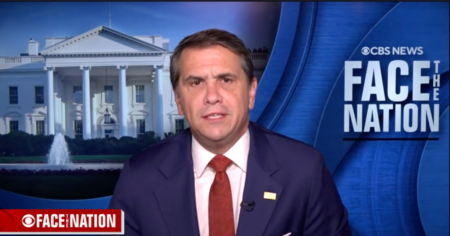
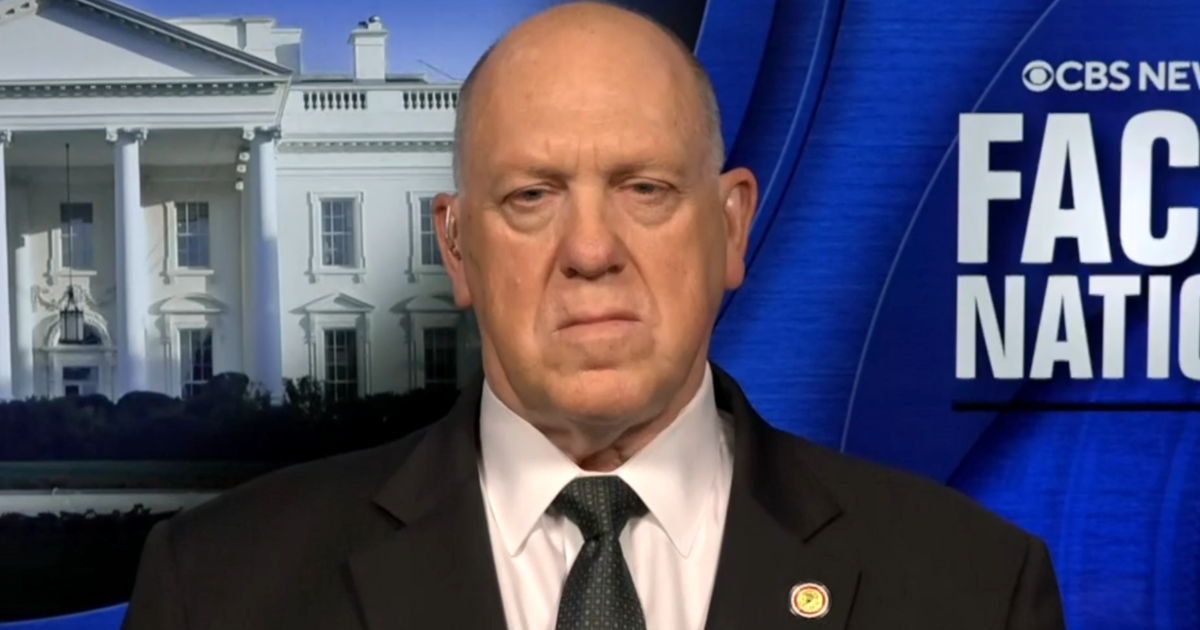
In a revealing interview on “Face the Nation,” White House Border Czar Tom Homan addressed the current political impasse that has left the Department of Homeland Security partially unfunded while Congress remains on recess until mid-April. The shutdown follows the tragic deaths of two Americans, Renee Good and Alex Pretti, during immigration enforcement actions in Minneapolis earlier this year. These incidents sparked intense debate about ICE policies and led to the current standoff between Democrats and Republicans over how immigration enforcement should be conducted. Homan expressed frustration that Congress has left Washington while tens of thousands of DHS employees go without paychecks during what he described as an “increased threat posture” for the nation. The border czar emphasized the critical nature of funding not just ICE, but also the Coast Guard, CISA, the Secret Service, and other vital homeland security agencies that protect Americans daily. President Trump has managed to find emergency funding to pay TSA workers and has deployed ICE agents to airports to help with security screening, but Homan made clear these are stopgap measures while the real solution—full funding for DHS—remains hostage to political disagreements over immigration policy.
Partisan Blame Game Over Who Shut Down Homeland Security
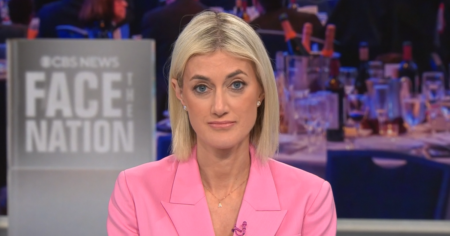
When pressed by host Margaret Brennan about why President Trump hasn’t compelled Republican lawmakers to return to Washington immediately, Homan deflected responsibility away from the White House and squarely onto Democrats. He argued that Democrats “voted to shut down DHS” because they want to change ICE policies to make the agency “less effective in the interior” when it comes to enforcing immigration law. This assertion seemed to contradict the political reality that Republicans control both chambers of Congress, a point Brennan repeatedly emphasized. The Senate had actually passed a bipartisan funding bill that included much of the funding Homan advocated for, but it stalled in the House where Speaker Mike Johnson called it “a joke.” When asked directly whether he supported the Senate bill, Homan repeatedly avoided giving a clear answer, instead stating he supports “the president of the United States in getting DHS fully funded and operating.” His reluctance to endorse the Senate compromise suggests the White House itself may have contributed to the legislative deadlock by refusing to back a deal that Republican senators had negotiated with Democrats. Homan’s framing of the shutdown as entirely a Democratic problem rings somewhat hollow given that his own party controls the levers of power and the president could theoretically call Congress back into session at any time.
Airport Security Crisis and Emergency Measures
The consequences of the shutdown have been most visible at America’s airports, where approximately 500 TSA officers have quit their jobs to find paying work elsewhere, creating massive security lines and potential vulnerabilities. President Trump directed DHS to tap emergency funds to pay TSA workers, with paychecks expected to arrive as early as the day after the interview. In the meantime, ICE agents have been reassigned from immigration enforcement duties to help staff airports, checking identification and monitoring exit lanes—tasks that don’t require the specialized screening TSA agents perform. Homan expressed hope that paying TSA workers again would bring some back to their jobs, but acknowledged the agency faces significant staffing challenges. He committed to maintaining ICE’s presence at airports for as long as necessary, particularly given what he described as heightened security threats globally. With major events like the World Cup scheduled for June, the timing of this security crisis raises serious concerns about America’s ability to manage large influxes of international visitors. Homan tried to project confidence that between paying TSA workers again and supplementing with ICE agents, airports would remain secure, but the underlying problem—that hundreds of trained security screeners have left and may not return—suggests Americans could face airport disruptions for months to come.
Policy Changes at the Heart of the Dispute
The fundamental disagreement that led to the shutdown centers on how ICE conducts immigration enforcement, particularly after the January deaths of Renee Good and Alex Pretti in Minneapolis. Democrats have demanded reforms including expanded use of body cameras, limitations on enforcement at sensitive locations like schools and hospitals, and requirements that officers properly identify themselves. Interestingly, Homan revealed he’s already agreed to many of these changes in principle, including in a letter he signed to lawmakers. He pointed out that the very funding bill being held up includes $120 million for purchasing more body cameras, which he supports. Homan argued that ICE already exercises restraint around sensitive locations, challenging anyone to provide a single example of agents arresting someone inside a hospital or church. He emphasized that while the Trump administration did eliminate policy restrictions on sensitive locations in January 2025, this was meant only for “significant public safety threats” or “national security threats,” and that in practice ICE uses common sense and waits for targets to leave these locations. The disconnect seems to be that Democrats want these protections written into law rather than relying on the discretionary judgment of ICE agents, while Homan insists the existing approach works fine and doesn’t require legislative mandates. His willingness to implement many of the reforms Democrats seek raises the question of why they can’t reach a compromise—unless the real issue is trust, with Democrats doubting that future administrations would maintain policies that exist only as internal guidelines rather than legal requirements.
The Warrant Controversy and Legal Interpretations
Perhaps the thorniest issue in the dispute involves what kind of warrant ICE needs to enter homes when making arrests. During his confirmation hearing, DHS Secretary Markwayne Mullin pledged that agents “will not enter a home or a place of business without a judicial warrant” unless they’re pursuing someone who runs inside. This would represent a significant change from current practice, where ICE relies on administrative warrants—essentially internal authorizations rather than court orders. Homan acknowledged discussions are ongoing about implementing this change, though he noted that certain sections of law, particularly Section I-205, have been interpreted by district courts as legally allowing home entry under some circumstances. He revealed that one of his first actions was requesting a full legal review from the Department of Justice regarding a May reinterpretation of existing law that had expanded ICE’s authority to make arrests without judicial warrants. Homan argued that federal statute explicitly allows arrests of undocumented immigrants with administrative warrants, so Democrats asking for judicial warrants are really asking to change the law itself, not just policy. This legal complexity highlights how immigration enforcement operates in a gray area between executive discretion and congressional authority. While Homan maintains ICE is simply enforcing laws Congress wrote, Democrats contend that how those laws are interpreted and implemented matters enormously for protecting civil liberties and preventing tragedies like the Minneapolis deaths that sparked this entire crisis.
The Path Forward Remains Unclear
As the interview concluded, the path to resolving the government shutdown remained frustratingly unclear. Homan repeatedly emphasized his belief that Congress should fund all of DHS without conditions, separating the funding question from policy debates about how immigration enforcement should work. Yet this position ignores the political reality that Democrats have leverage precisely because Republicans need their votes to pass funding bills, and they’re using that leverage to demand reforms they believe will save lives and protect civil liberties. The fact that Homan himself has already agreed to implement many of the changes Democrats seek suggests room for compromise exists, but neither side seems willing to make the final concessions necessary for a deal. Meanwhile, tens of thousands of DHS employees go without pay, TSA workers continue leaving their jobs, and airports operate with makeshift security arrangements that could prove inadequate if tested. With Congress not scheduled to return until mid-April and President Trump apparently unwilling to call them back early, this crisis could drag on for weeks. Homan’s core argument—that Democrats are holding homeland security hostage over disagreements about ICE enforcement—may resonate with some Americans, but it sidesteps the legitimate questions raised by the Minneapolis deaths about whether current enforcement practices adequately protect both public safety and individual rights. Until both parties show more willingness to compromise, the American people will continue paying the price for Washington’s dysfunction in longer airport lines, unpaid security workers, and a homeland security apparatus operating under financial duress during what officials themselves describe as a time of elevated threats.