


Trump Administration Escalates Pressure on Iran with Historic Detention Designation
A New Tool in America’s Diplomatic Arsenal
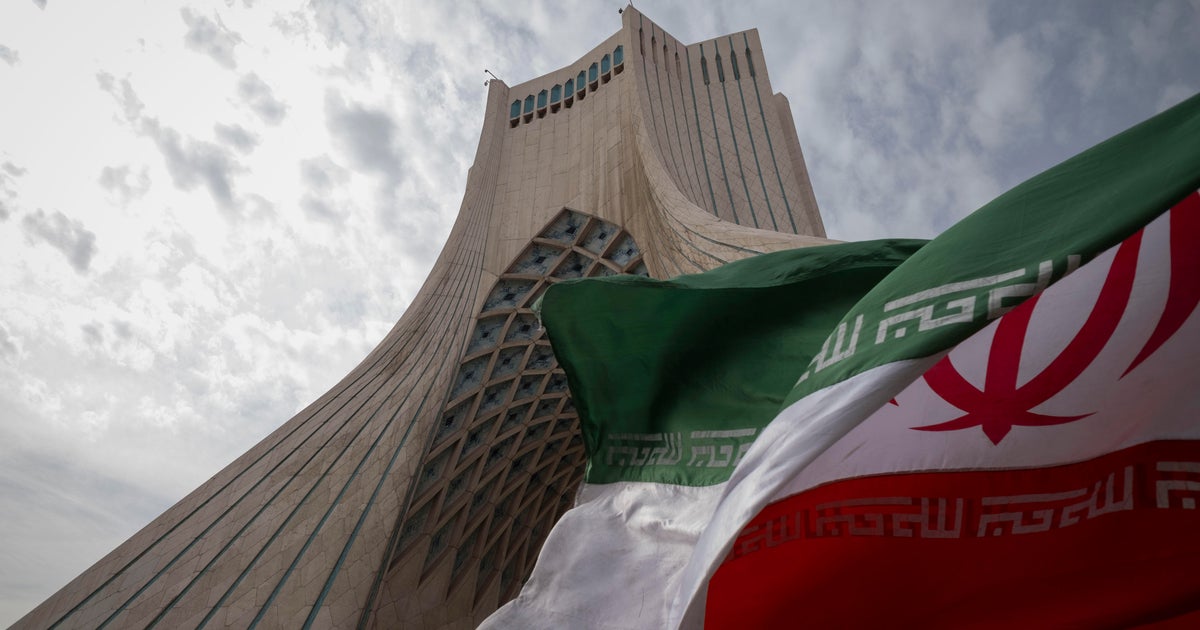
In a significant escalation of tensions between Washington and Tehran, the Trump administration took an unprecedented step on Friday by formally designating Iran as a state sponsor of wrongful detention. This historic move, announced by Secretary of State Marco Rubio, marks the first time any country has received this specific label under a framework established just months earlier. The designation stems from an executive order signed in September that substantially expanded the U.S. government’s capabilities to penalize nations accused of detaining American citizens for use as political bargaining chips. While the United States has maintained Iran on its state sponsor of terrorism list since 1984 during the Reagan administration, this new designation creates an entirely separate legal framework with its own set of punitive measures. Secretary Rubio didn’t mince words in his announcement, declaring that “For decades, Iran has continued to cruelly detain innocent Americans, as well as citizens of other nations, to use as political leverage against other states. This abhorrent practice must end.” The timing of this designation is particularly noteworthy, coming at a moment when diplomatic channels between the two nations appear to be faltering and military tensions in the region continue to simmer.
Understanding the Powers Behind the Designation
The practical implications of this designation are far-reaching and potentially severe for Iran. Under the executive order, Secretary Rubio now possesses the authority to implement a comprehensive range of punitive measures designed to pressure Tehran into changing its detention practices. These tools include economic sanctions that could further squeeze Iran’s already struggling economy, export controls that would limit Iran’s access to American goods and technology, and visa restrictions targeting specific individuals or entities connected to Iran’s wrongful detention policies. While these authorities draw inspiration from mechanisms traditionally used in terrorism-related designations, they represent a legally distinct category of diplomatic pressure. Perhaps most significantly, the executive order grants the State Department unprecedented power to impose travel restrictions on U.S. passport holders, potentially limiting or outright prohibiting American citizens from traveling to countries designated as sponsors of wrongful detention. Officials who helped craft this framework have previously described these travel authorities as among the most powerful deterrents in the government’s toolkit, serving the dual purpose of protecting Americans from high-risk environments while simultaneously increasing pressure on governments that detain U.S. nationals for political purposes.
The Human Impact: Iranian-Americans Caught in the Middle
The potential implementation of travel restrictions carries profound implications for hundreds of thousands of people who call America home while maintaining ties to Iran. According to data from the UCLA Center for Near East Studies, the Iranian diaspora living in the United States numbers over 600,000 individuals. If the administration chooses to impose travel restrictions similar to those currently in place for North Korea, all of these Iranian-Americans could find themselves significantly affected in their ability to visit family, conduct business, or maintain cultural connections to their country of origin. Under current North Korea restrictions, U.S. passports cannot be used for travel to that country unless they receive specific validation from the secretary of state—a high bar that few travelers clear. If similar measures were applied to Iran, Iranian-Americans could face agonizing choices about maintaining relationships with elderly relatives, attending family events, or resolving property and business matters in Iran. Secretary Rubio’s statement offered a pathway out of this situation, noting that “The Iranian regime must stop taking hostage and release all Americans unjustly detained in Iran, steps that could end this designation and associated actions.” However, the conditional nature of this offer leaves uncertainty about when or whether such restrictions might be lifted.
Diplomatic Breakdown and Regional Volatility
Friday’s designation arrives against a troubling backdrop of failed diplomacy and escalating regional tensions. Nuclear and security negotiations between Washington and Tehran concluded in Geneva this week without any meaningful agreement on critical issues, including limits on uranium enrichment and the thorny question of sanctions relief. While technical teams from both sides are scheduled to reconvene in Vienna on Monday—where the International Atomic Energy Agency maintains its headquarters—the prospects for breakthrough appear dim. The diplomatic landscape grew even more complex on Friday when the State Department authorized non-emergency personnel and their family members to depart Israel, citing unspecified “safety risks.” This development underscores the volatile security environment in the Middle East and the interconnected nature of various regional conflicts. Adding another layer to these complex dynamics, Deputy State Department spokesperson Tommy Piggott announced that Secretary Rubio would travel to Israel from March 2-3 for discussions covering Iran, Lebanon, and President Trump’s ambitious 20-point peace plan for Gaza. This trip suggests that the administration views its Iran policy as inseparable from broader regional security concerns and peace initiatives.
The Human Stories Behind the Policy
The designation gains particular urgency and poignancy when examined through the lens of specific cases that have drawn international attention and concern. Among the most prominent is that of Reza Valizadeh, an Iranian-American journalist recently detained in Iran under circumstances that U.S. officials and human rights advocates have cited as emblematic of Tehran’s pattern of politically motivated arrests targeting perceived regime critics. Valizadeh represents just one face of a larger problem—he is among at least four Iranian-Americans currently believed to be held in Iran. Sources familiar with the situation have told CBS News that the detainees include 70-year-old Kamran Hekmati and at least one other woman in her seventies, highlighting how Iran’s detention practices don’t discriminate based on age or vulnerability. These cases have intensified both public scrutiny and official concern about Iran’s use of detention as a political weapon. The personal stories of these individuals and their families—separated by borders, legal complications, and geopolitical tensions—provide the human context that transforms this designation from an abstract policy matter into a pressing humanitarian concern. Each detainee represents a family in limbo, unable to fully celebrate holidays, mark milestones, or simply enjoy the comfort of having their loved ones home.
Looking Ahead: Implications and Uncertainties
As the Trump administration implements this historic designation, numerous questions remain about its ultimate effectiveness and broader implications. U.S. officials are reportedly considering whether to apply the same label to Afghanistan, which is also known to be holding at least two American citizens, suggesting this could become a more widely used diplomatic tool. The success of this approach will likely be measured not just by whether Iran releases currently detained Americans, but by whether it fundamentally changes Tehran’s calculus about using detention as a form of leverage in international relations. The designation also raises complex questions about the balance between protecting American citizens abroad and maintaining the ability of Americans—particularly those with family ties to designated countries—to travel freely. Critics may argue that travel restrictions punish innocent Iranian-Americans for the actions of a government they don’t control and may have fled. Supporters will likely counter that protecting Americans from potential detention in high-risk countries justifies temporary inconvenience for those wishing to travel there. As technical teams prepare to meet in Vienna and Secretary Rubio plans his trip to Israel, the international community will be watching closely to see whether this new form of pressure produces meaningful changes in Iran’s behavior or simply adds another layer of complexity to an already fraught relationship. The coming weeks and months will reveal whether this unprecedented designation represents a turning point in how democracies respond to hostage diplomacy or simply another chapter in the long, complicated history of U.S.-Iran relations.