



Trump Administration Eases Asylum Restrictions After Months-Long Freeze
A Shift in Immigration Policy Following National Security Concerns
The Trump administration has announced a significant rollback of sweeping asylum restrictions that had left hundreds of thousands of immigration applications in limbo for months. According to two Department of Homeland Security officials who spoke with CBS News, the government is resuming the processing of most asylum cases that had been frozen since late last year. This policy shift marks a notable change in direction for an administration that has taken an increasingly hardline stance on both legal and illegal immigration. The original freeze was implemented in the wake of a tragic shooting incident in Washington, D.C., that claimed the life of a National Guard member and injured another, allegedly at the hands of an Afghan man who had been granted asylum in 2025. The administration justified the pause as a necessary national security measure, though critics argued it unfairly punished immigrants who were following proper legal channels.
The Original Freeze and Its Unprecedented Scope
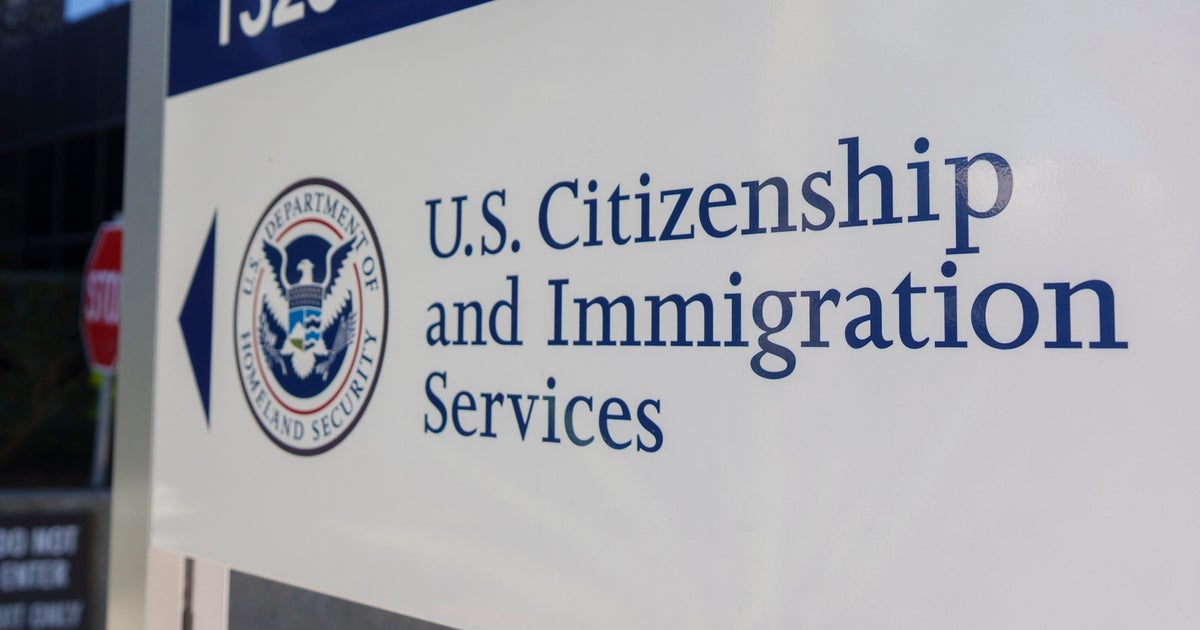
The pause implemented in late November represented an unprecedented action in American immigration policy. Unlike previous immigration restrictions that typically targeted specific groups or pathways, this freeze applied broadly to all asylum requests filed outside of immigration court, regardless of the applicant’s country of origin. The U.S. Citizenship and Immigration Services, which handles these applications, effectively stopped processing cases across the board. This sweeping action affected countless individuals and families who had already navigated complex legal requirements and were waiting for decisions on their applications. The administration framed the pause as essential to addressing what it characterized as serious national security vulnerabilities in the asylum system. However, the indefinite nature of the suspension created enormous uncertainty for applicants who had already invested years and significant resources into their cases, leaving them in a state of legal and personal limbo with no clear timeline for resolution.
Partial Restoration with Significant Exceptions
While the administration has decided to lift the asylum processing freeze for most applicants, significant restrictions remain in place for people from dozens of countries. The asylum adjudication pause will continue for nationals from 39 countries affected by President Trump’s expanded “travel ban” proclamation, which he broadened in December. This extensive list encompasses nations from three continents: African countries including Senegal, Somalia, and Nigeria; Asian nations such as Afghanistan, Iran, and Laos; and Latin American countries like Cuba, Haiti, and Venezuela. For immigrants from these 39 nations, the suspension extends beyond just asylum cases to include virtually all legal immigration applications, including requests for work permits, green cards, and even applications for American citizenship. The Department of Homeland Security confirmed this policy direction in a statement to CBS News, explaining that “USCIS has lifted the adjudicative hold for thoroughly screened asylum seekers from non high-risk countries.” Officials stated that this approach allows resources to focus on what they term “continued rigorous national security and public safety vetting for higher-risk cases,” while maintaining that their “maximum screening and vetting for ALL aliens continues unabated.”
Broader Context of Immigration Tightening
The asylum freeze and its partial reversal represent just one component of a comprehensive strategy by the Trump administration to reshape the American legal immigration system. Since returning to office, the administration has implemented numerous policies aimed at restricting various pathways to legal status in the United States. These measures include efforts to limit work permits for asylum-seekers, effectively making it more difficult for people awaiting decisions on their cases to support themselves legally while in the country. Additionally, the administration has undertaken a review of cases involving legal refugees who were admitted during the Biden administration, raising questions about the security of even those who have already been granted protected status. These policies reflect a fundamental shift in how the government approaches immigration, moving away from what some view as a more welcoming stance to one that prioritizes what officials describe as enhanced security measures and fraud prevention. The cumulative effect of these policies has been to create additional barriers and delays throughout the legal immigration system.
Competing Perspectives on Immigration Reform
The Trump administration has defended its immigration policies by arguing they address serious concerns about fraud, national security threats, and what officials characterize as insufficient vetting procedures under the previous administration. From this perspective, the pause on asylum processing and other restrictions represent necessary corrections to a system that had become too permissive and potentially dangerous. Administration officials maintain that their approach is not about closing off legal immigration entirely but rather about ensuring that those who enter the country through legal channels have been thoroughly vetted and pose no threat to American citizens. They point to incidents like the shooting of the National Guard members as evidence that existing screening procedures were inadequate. However, pro-immigration advocates and humanitarian organizations have sharply criticized these policies, arguing that they unfairly punish immigrants who are following the law and complying with established immigration rules. These critics contend that the broad-brush approach of suspending applications from entire countries based on nationality rather than individual circumstances contradicts American values of fairness and due process. They also note that many of those affected by these restrictions are fleeing persecution, violence, or humanitarian crises in their home countries and have legitimate claims for protection.
Looking Forward: Implications and Uncertainties
The partial lifting of the asylum freeze creates a two-tiered system that will have profound implications for immigrants and the broader immigration landscape. For asylum seekers from countries not on the travel ban list, the resumption of processing offers hope after months of uncertainty, though many questions remain about how quickly cases will move forward and whether additional backlogs have accumulated during the freeze. For nationals from the 39 restricted countries, however, the continuation of the freeze means ongoing indefinite delays with no clear path forward. This creates particular hardship for those who have already invested years in their applications and may have family members or employment situations depending on their legal status. The policy also raises broader questions about how the United States balances security concerns with its historical role as a refuge for those fleeing persecution and seeking better lives. As implementation of this partial rollback proceeds, its effects will continue to unfold across immigrant communities, legal services organizations, and the immigration system itself. The coming months will reveal whether this represents a genuine recalibration of policy or merely a temporary adjustment, as well as how courts and Congress respond to these executive actions that significantly reshape America’s approach to asylum and legal immigration.