


Trump Administration Takes Emergency Action on Summer Gasoline Rules to Combat Rising Fuel Costs
Understanding the Emergency Fuel Waiver
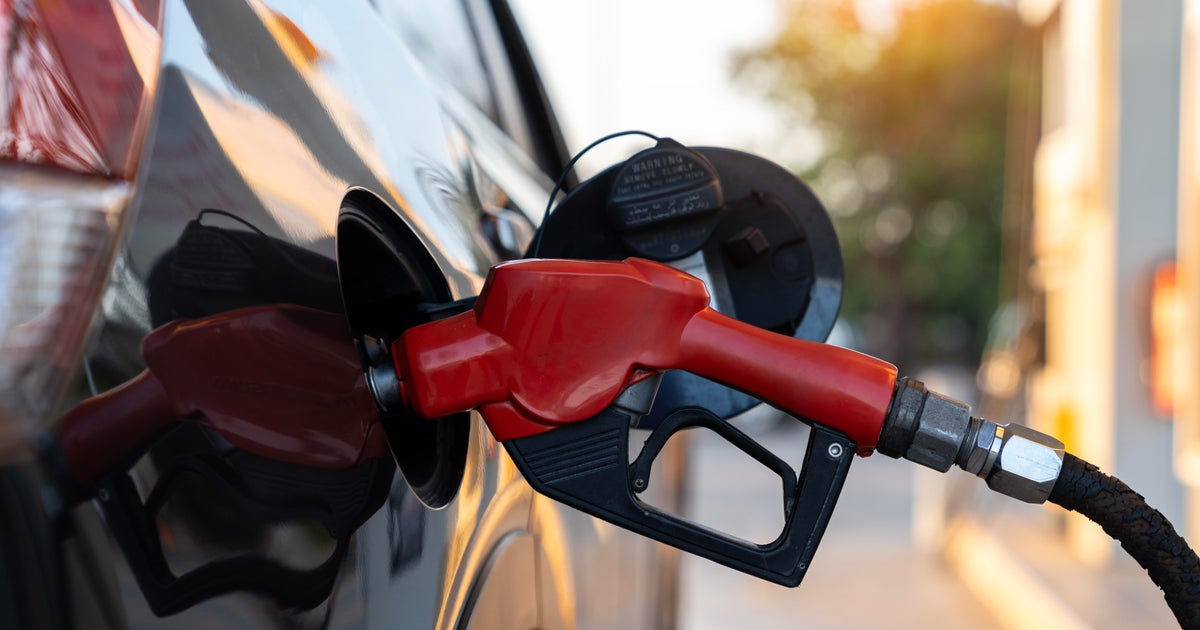
As Americans watch gas prices climb dangerously close to $4 per gallon, the Trump administration has decided to take immediate action by temporarily suspending the usual summer gasoline regulations. This emergency measure, announced by the Environmental Protection Agency (EPA) on Wednesday, represents a significant departure from standard environmental protocols that have been in place for years. The decision allows both refiners and gas station retailers across the country to sell E15 gasoline—a fuel blend containing 15% ethanol—throughout the summer months, a practice that’s typically prohibited during the hottest part of the year. Additionally, the restrictions on E10 gasoline, which contains 10% ethanol, will also be lifted temporarily. These waivers will become effective on May 1st and remain in place through May 20th, giving the administration a three-week window to assess the impact on both fuel prices and supply chains. The move comes at a critical time when American families are feeling the financial strain of increased transportation costs affecting everything from their daily commutes to vacation plans and the prices of goods that depend on trucking for delivery.
Why Summer Gasoline Rules Exist and What’s Changing
To understand the significance of this waiver, it’s important to know why these summer fuel regulations exist in the first place. Under normal circumstances, federal environmental rules require gas stations to switch to more expensive “summer blend” gasoline from June 1st through September 15th each year. This isn’t just bureaucratic red tape—there’s a genuine environmental reason behind it. Gasoline blends with higher ethanol content have a tendency to evaporate more easily when temperatures rise during summer months, and this evaporation contributes to ground-level ozone formation and air pollution, which can create health hazards, particularly for children, the elderly, and people with respiratory conditions. The summer blend gasoline is specially formulated to reduce this evaporation, but the refinement process is more complex and expensive, which naturally translates to higher prices at the pump for consumers. By temporarily suspending these requirements, the EPA is essentially allowing refiners to skip the costly process of producing summer-grade fuel, and permitting them to continue selling the less expensive winter blends through what would normally be the transition period. EPA Administrator Zeldin emphasized in the agency’s statement that “EPA is working with our federal partners to reduce unnecessary costs and uncertainty and ensure that gas prices remain affordable for all Americans through the summer,” adding that “this emergency action will provide American families with relief by increasing fuel supply and consumer choice.”
The Iran War Crisis and Its Impact on Global Oil Markets
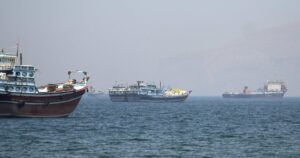
The emergency fuel waiver doesn’t exist in a vacuum—it’s a direct response to an international crisis that’s sending shockwaves through global energy markets. The ongoing conflict involving Iran has created a severe disruption in worldwide oil supplies, particularly because military actions have effectively closed the Strait of Hormuz, one of the world’s most critical oil shipping chokepoints. This narrow waterway, located between the Persian Gulf and the Gulf of Oman, typically serves as a transit route for approximately one-fifth of the world’s petroleum supply. With this passage blocked or too dangerous for commercial tanker traffic, crude oil that would normally flow freely to refineries around the world is instead being trapped in the region or forced to take much longer, more expensive alternative routes. The supply disruption has created a classic economic situation of decreased supply meeting steady demand, which inevitably pushes prices upward. For American consumers, this international crisis translates directly to pain at the pump, with prices approaching the psychologically significant $4-per-gallon threshold that historically triggers public concern and political pressure for action. The Trump administration clearly recognizes that high gas prices affect not just individual household budgets but also have broader economic implications, potentially slowing consumer spending and economic growth while increasing the cost of virtually all goods and services that depend on transportation.
Additional Measures Beyond the Fuel Waiver
The temporary suspension of summer gasoline regulations represents just one piece of a much larger strategy the Trump administration has assembled to combat rising energy costs. Recognizing that a single policy change wouldn’t be sufficient to meaningfully impact prices, the White House has implemented a comprehensive approach with multiple components working simultaneously. Perhaps the most dramatic of these measures has been the order to release 173 million barrels of oil from the Strategic Petroleum Reserve, the nation’s emergency crude oil stockpile stored in massive underground salt caverns along the Gulf Coast. This reserve was originally created following the oil crises of the 1970s as a buffer against supply disruptions, and tapping into it signals the administration’s view that the current situation constitutes a genuine emergency. Beyond the reserve release, the administration has also waived the Jones Act, a century-old maritime law that typically requires goods shipped between U.S. ports to be transported on American-built, American-owned, and American-crewed vessels. By temporarily setting aside this requirement, foreign-flagged ships can now move fuel between domestic ports, theoretically increasing supply flexibility and reducing regional shortages. In another controversial move that has raised eyebrows among foreign policy observers, the administration has lifted sanctions on Russian oil, apparently prioritizing immediate energy price relief over geopolitical considerations. These combined measures represent an all-hands-on-deck approach to a problem that’s affecting millions of Americans every time they fill up their vehicles.
International Cooperation and Energy Conservation Efforts
The United States isn’t facing this energy crisis alone, and the response has extended beyond American borders. Last week, the International Energy Agency—an intergovernmental organization that coordinates energy policies among its member countries—issued a call to action directed at governments, businesses, and individual consumers worldwide. Rather than focusing solely on supply-side solutions, the IEA has emphasized the importance of demand reduction as a complementary strategy. Their recommendations include practical steps like driving less, carpooling more, utilizing public transportation when available, working from home when possible, and being more mindful about energy consumption in general. This approach recognizes a fundamental economic principle: when supply cannot easily be increased in the short term, reducing demand becomes an equally valuable tool for bringing prices down. For individual Americans, this might mean consolidating errands into fewer trips, reconsidering unnecessary travel, or even choosing staycations over road trips this summer. The IEA’s involvement also highlights how modern energy markets are globally interconnected—a crisis in the Persian Gulf can affect prices in rural Pennsylvania or urban California because oil is traded as a global commodity. This international dimension means that solutions must also be coordinated across borders, with major consuming nations working together to stabilize markets and prevent panic buying or hoarding that could make shortages worse.
Looking Ahead: Duration and Potential Extensions
As American families begin planning their summer activities against the backdrop of these emergency measures, important questions remain about how long this situation might last. The EPA has been careful to state that it will actively monitor fuel supplies throughout the period covered by the emergency waiver and stands ready to extend these measures “as long as the fuel supply circumstances warrant such action.” This language suggests that while the initial waiver runs only through May 20th, there’s flexibility to extend it deeper into the summer if the crisis continues and prices remain elevated. However, this flexibility creates its own uncertainty—businesses need to plan, and consumers want to know what to expect in the coming months. Environmental advocates have already expressed concern that temporary waivers could become semi-permanent, potentially compromising air quality gains that have been achieved over decades of regulation. On the other hand, economic realities cannot be ignored; for many working families, especially those in rural areas without public transportation alternatives, high gas prices represent a genuine hardship that affects their ability to get to work, take children to school, and maintain their quality of life. The administration must walk a careful line between providing economic relief and protecting environmental and public health standards. As summer approaches and Americans traditionally take to the roads for vacations and travel, the coming weeks will reveal whether these emergency measures successfully stabilize prices or whether additional interventions will be necessary. Regardless of the outcome, this crisis has reminded everyone of how dependent modern society remains on affordable energy and how quickly international events can reach into our daily lives through the price displayed on gas station signs across the nation.