


President Trump’s Pearl Harbor Reference Sparks Uncomfortable Moment with Japanese Prime Minister
An Awkward Exchange in the Oval Office
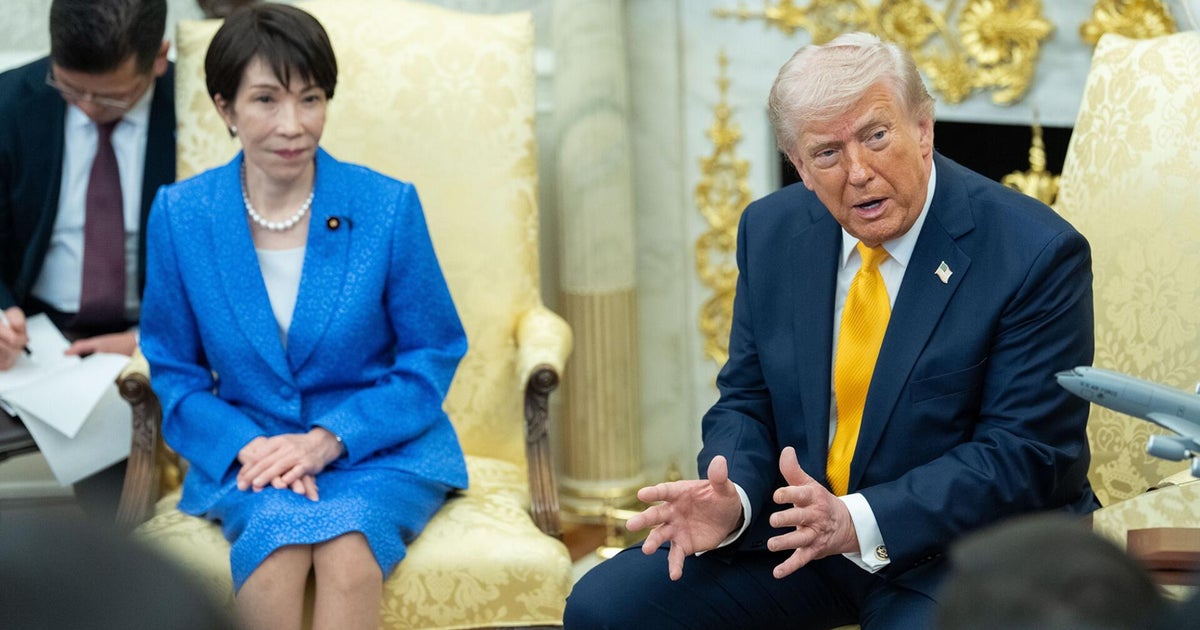
During what should have been a routine diplomatic meeting on Thursday, President Trump created an uncomfortable moment when he referenced the 1941 Pearl Harbor attack while explaining U.S. military strategy to Japanese Prime Minister Sanae Takaichi. The exchange occurred when a Japanese reporter questioned why the United States hadn’t given its allies, including Japan, advance notice about military strikes against Iran on February 28th. The reporter noted that this decision had “confused” Japanese officials. President Trump’s response took an unexpected turn as he justified the need for operational secrecy by invoking one of the most painful chapters in U.S.-Japan relations. His comment, “Who knows better about surprise than Japan? Why didn’t you tell me about Pearl Harbor?” created a visibly awkward atmosphere in the Oval Office, with Prime Minister Takaichi appearing momentarily stunned, her eyes widening at the reference to the devastating 1941 attack that killed more than 2,400 Americans and thrust the United States into World War II.
The Strategic Rationale Behind Secrecy
President Trump’s explanation for not informing allies about the Iran strikes centered on the military principle of maintaining the element of surprise. “Well one thing, you don’t want to signal too much, you know?” the president explained to the gathered reporters. He emphasized that when American forces conducted the operation, they “went in very hard” and deliberately kept the plans secret to ensure maximum effectiveness. The president’s logic was straightforward: sharing information about military operations, even with close allies, increases the risk of intelligence leaks that could compromise the mission and endanger American forces. “We had to surprise them, and we did,” Trump said of the Iranian targets. “If I go and tell everybody about it, there’s no longer a surprise.” While this reasoning reflects legitimate security concerns that any administration might have when planning military action, the manner in which the president chose to illustrate this point—by comparing it to Japan’s surprise attack on Pearl Harbor—struck many observers as diplomatically tone-deaf, particularly given the sensitive nature of U.S.-Japan relations and the decades of work both nations have invested in moving beyond their wartime past.
The Visible Discomfort and Diplomatic Recovery
The immediate reaction in the Oval Office spoke volumes about the delicate nature of international diplomacy and historical memory. Prime Minister Takaichi, who speaks some English but primarily communicated through a translator during the meeting, appeared visibly taken aback by the president’s Pearl Harbor reference. Her brief but noticeable reaction—eyes widening in apparent surprise or discomfort—was captured by photographers and quickly became a focal point of media coverage. Despite this awkward moment, both governments moved quickly to project an image of strong bilateral relations. Later that same day, the White House posted a photograph on social media showing President Trump and Prime Minister Takaichi standing together, both offering thumbs-up gestures to the camera. The image was accompanied by the message “President Donald J. Trump and Japanese Prime Minister @takaichi_sanae” along with the flags of both nations and a handshake emoji, suggesting a desire to emphasize the positive aspects of the relationship rather than dwell on the uncomfortable exchange. This rapid pivot to positive imagery reflects the standard practice in modern diplomacy of managing potentially damaging moments and refocusing attention on the broader strategic partnership.
The Long Shadow of World War II
The reason President Trump’s comment landed with such impact relates to the complex and painful history between the United States and Japan. Although the two nations have been official allies since 1952, when the post-war occupation ended and Japan regained sovereignty, the emotional and psychological scars from World War II have taken much longer to heal. The December 7, 1941, attack on Pearl Harbor remains one of the most traumatic events in American history, a “date which will live in infamy,” as President Franklin D. Roosevelt declared. The surprise assault on the U.S. naval base in Hawaii killed 2,403 Americans, destroyed or damaged 19 ships and more than 300 aircraft, and galvanized American public opinion in favor of entering World War II. For Japan, the war ended with unprecedented devastation, including the atomic bombings of Hiroshima and Nagasaki and the death of millions of Japanese citizens. The subsequent decades have seen both nations work diligently to transform their relationship from bitter enemies to close allies, a process that required acknowledging historical wrongs, building trust, and focusing on shared interests rather than past conflicts. References to Pearl Harbor, therefore, aren’t merely historical footnotes—they touch on deep national traumas for both countries and require careful handling in diplomatic contexts.
Symbolic Reconciliation and the Weight of History
The depth of effort both nations have invested in reconciliation was powerfully illustrated in 2016, when Japanese Prime Minister Shinzo Abe made a historic visit to the Pearl Harbor memorial site alongside then-President Barack Obama. This visit represented a significant milestone in U.S.-Japan relations, as Abe became one of the few Japanese leaders to visit the site where Japanese forces launched their devastating attack 75 years earlier. During the visit, Abe offered “sincere and everlasting condolences” to the Americans who lost their lives, not just at Pearl Harbor but throughout World War II. He described being “rendered entirely speechless” by the deaths of so many U.S. service members. Perhaps most significantly, Abe expressed gratitude “on behalf of the Japanese people” to “the United States and to the world for the tolerance extended to Japan” in the post-war period. He acknowledged that “Japan and the United States, which fought a fierce war that will go down in the annals of human history, have become allies with strong ties rarely found anywhere in history.” This visit complemented President Obama’s earlier trip to Hiroshima, where he became the first sitting U.S. president to visit the site of the atomic bombing, creating a powerful symmetry of acknowledgment and reconciliation. These carefully choreographed diplomatic moments demonstrate how seriously both nations take their shared history and how much effort goes into maintaining the alliance while respecting the memory of those who suffered.
The Personal Dimension and Future Relations
The awkwardness of President Trump’s Pearl Harbor reference becomes even more pronounced when considered against the backdrop of his previous relationship with Japanese leadership. President Trump enjoyed a notably strong personal rapport with Prime Minister Shinzo Abe, who made significant efforts to cultivate a friendship with the American leader. The two leaders golfed together, dined together, and developed what many observers described as genuine mutual respect. Abe’s assassination during a campaign speech in Japan in 2022 deeply affected Trump, who praised the slain leader’s dedication to his country. This warm personal relationship hasn’t been replicated with subsequent Japanese prime ministers, making diplomatic interactions potentially more vulnerable to missteps. Prime Minister Takaichi, who represents a new generation of Japanese leadership, now faces the challenge of maintaining the crucial U.S.-Japan alliance while managing potentially sensitive moments like the Pearl Harbor reference. The incident serves as a reminder that even between the closest of allies, historical memory runs deep, and seemingly offhand comments can carry significant weight. As both nations navigate an increasingly complex geopolitical landscape, with challenges ranging from China’s growing influence to North Korea’s nuclear program, maintaining strong diplomatic ties remains essential. The quick recovery from this awkward moment—symbolized by the thumbs-up photo—suggests that both governments recognize the importance of the relationship and are willing to move past uncomfortable exchanges to focus on shared security interests and economic cooperation that benefit both nations.