


Trump’s Ultimatum to Iran: A Civilization Hangs in the Balance
The Deadline and Its Devastating Implications
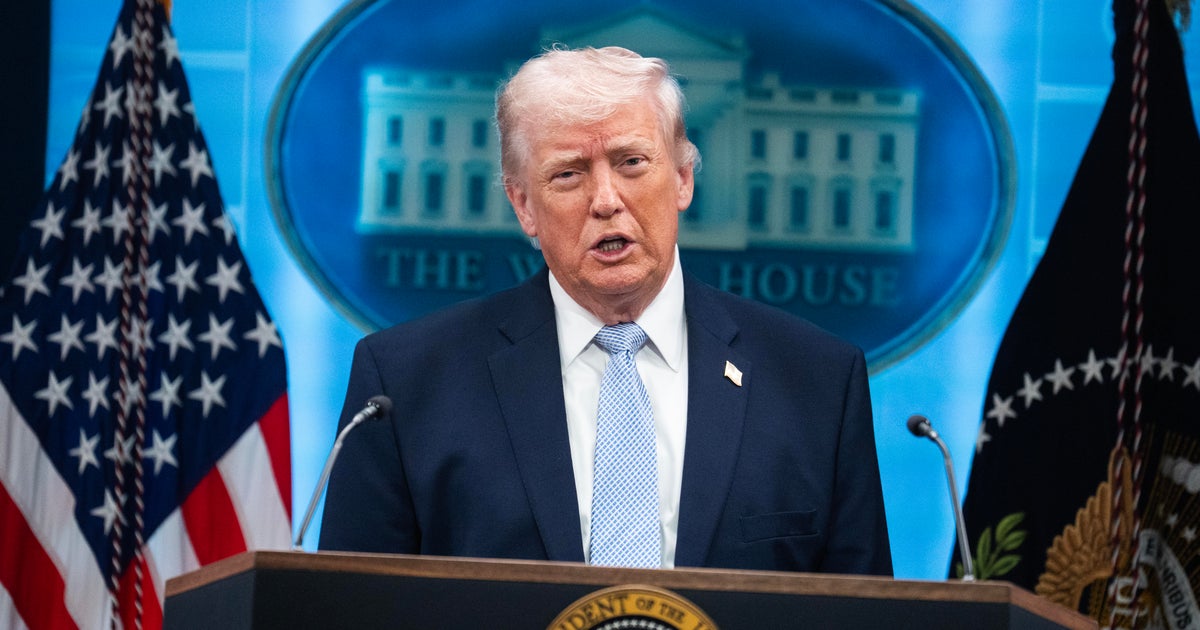
President Trump has issued what may be one of the most consequential ultimatums in modern diplomatic history, setting a Tuesday night deadline of 8 p.m. Eastern Time for Iran to reach an agreement or face catastrophic military consequences. In a stark warning posted on Truth Social Tuesday morning, the president declared that “a whole civilization will die tonight” if negotiations fail. The gravity of his threat is unprecedented—Trump has made it clear that he’s prepared to order attacks that would systematically destroy Iran’s entire infrastructure, including all power plants and bridges across the nation. Speaking from the White House on Monday, he didn’t mince words: “the entire country could be taken out in one night, and that night might be tomorrow night.” This isn’t just rhetoric about military targets or strategic installations; the president is talking about dismantling the basic infrastructure that allows a nation of over 85 million people to function in the modern world.
The immediate trigger for this crisis is Iran’s control over the Strait of Hormuz, the narrow waterway through which roughly 20% of the world’s oil supply passes. Trump has demanded that Iran agree to reopen the strait, which has apparently been restricted or threatened in some way, though the specific circumstances leading to this confrontation weren’t detailed in the available reports. What is clear is that the president views this as a red line issue, one worth risking a humanitarian catastrophe to resolve. The language he’s using—talking about an entire civilization dying in a single night—represents a chilling escalation in how American presidents typically discuss military options, even against adversaries. It’s a far cry from the measured diplomatic speak that usually characterizes such high-stakes international standoffs, and it signals just how serious Trump believes this moment to be in global affairs.
Glimmers of Hope Amid the Crisis
Despite the apocalyptic tone of his threats, President Trump hasn’t completely closed the door on a peaceful resolution. In his Tuesday morning post, he suggested that “something revolutionarily wonderful can happen,” pointing to what he described as “different, smarter, and less radicalized minds” now leading Iran. This represents a notable shift in how Trump has historically characterized Iranian leadership, and it suggests that behind the scenes, there may be meaningful changes in who’s driving Iran’s negotiating position. The president framed Tuesday night as “one of the most important moments in the long and complex history of the World,” placing this deadline in the context of potentially transformative global significance rather than just another military confrontation.
On Monday, Trump revealed to reporters that Iran had submitted what he called a “significant” proposal in response to American demands. While he was quick to note that the offer was “not good enough” to fully meet U.S. requirements, he also acknowledged it as “a very significant step” forward. Perhaps most importantly, the president said he believes Iranian negotiators are operating “in good faith,” a remarkable statement given the decades of mutual distrust between Washington and Tehran. He characterized Iran as an “active, willing participant” in the ongoing negotiations, language that suggests genuine diplomatic engagement rather than mere posturing. This more optimistic assessment stands in stark contrast to his threats of total destruction, revealing the complex balancing act Trump is attempting—maintaining maximum pressure while leaving room for Iran to make concessions that would allow both sides to step back from the brink.
The Military Reality: Strikes Continue as Diplomacy Proceeds
Even as diplomatic talks continue, the military dimension of this crisis is very much active. A U.S. official confirmed Tuesday morning that American forces had conducted new strikes overnight against military targets on Iran’s Kharg Island, one of the most critical locations for Iran’s oil export operations. The island serves as the main terminal for Iranian oil shipments, making it both strategically and economically vital to the country. However, the official was careful to note that, similar to previous strikes conducted in mid-March, these latest attacks specifically avoided targeting oil infrastructure itself. This distinction is important—it shows that even while conducting military operations, the U.S. is being selective about its targets, focusing on military capabilities rather than destroying Iran’s economic lifeline entirely.
This pattern of continued military strikes happening simultaneously with diplomatic negotiations might seem contradictory, but it’s actually a common feature of modern conflict resolution, sometimes called “negotiating while fighting.” The ongoing strikes serve multiple purposes: they demonstrate American military capability and resolve, they degrade Iran’s ability to threaten shipping or conduct other hostile actions, and they maintain pressure on Iranian leadership to make concessions at the negotiating table. By carefully avoiding oil infrastructure while hitting military targets, the U.S. is sending a message that it could inflict far greater economic damage if it chose to, but is holding back as long as negotiations continue in good faith. The strikes on Kharg Island are particularly symbolic because they show American forces can reach one of Iran’s most valuable and vulnerable assets, making the implicit threat very real while stopping short of the total destruction Trump has threatened if his deadline passes without agreement.
The High-Stakes Gamble of Ultimatum Diplomacy
President Trump’s approach to this crisis represents an extreme version of what’s sometimes called “coercive diplomacy” or “compellence”—using the threat of overwhelming force to compel an adversary to change their behavior. The strategy is risky precisely because it sets a public deadline with such catastrophic consequences. If Iran doesn’t comply and Trump doesn’t follow through with his threats, American credibility is damaged, potentially emboldening not just Iran but other adversaries who might conclude that presidential ultimatums are bluffs. On the other hand, if Iran doesn’t comply and Trump does follow through with attacks that devastate an entire nation’s infrastructure, the humanitarian, economic, and geopolitical consequences would be staggering and potentially destabilizing to the entire Middle East and global economy.
The Tuesday night deadline creates enormous pressure on both sides. For Iran, the choice is framed in the starkest possible terms: make sufficient concessions on the Strait of Hormuz issue or face the destruction of the country’s basic infrastructure, plunging 85 million people into darkness and isolation from the modern world. For Trump, his reputation as a leader who follows through on his commitments is on the line, yet so is his legacy regarding whether he launched what would undoubtedly be one of the most devastating attacks on civilian infrastructure in modern history. The very public nature of this deadline—announced on social media and repeated in press conferences—makes it nearly impossible for either side to quietly back down without appearing to have lost face. This is the dangerous game of public ultimatums: they can force action and concentrate minds on finding solutions, but they also eliminate the flexibility and quiet diplomacy that often helps resolve the most difficult international disputes.
Global Implications and the Humanitarian Question
The potential consequences of Trump’s threatened action extend far beyond Iran’s borders. The Strait of Hormuz is one of the world’s most critical shipping chokepoints, and any extended closure or conflict in the region would send global oil prices soaring, potentially triggering economic disruption worldwide. If the United States were to carry out attacks destroying Iran’s power plants and bridges, the humanitarian crisis would be immediate and severe. Modern societies depend entirely on electricity for water purification, sewage treatment, hospitals, communication, food refrigeration, and countless other essential services. Destroying a nation’s electrical infrastructure doesn’t just turn off the lights—it creates conditions where civil society cannot function, where the most vulnerable populations suffer first and most severely.
International reaction to such an attack would likely be intense and complicated. While many nations share concerns about Iran’s regional activities and nuclear ambitions, deliberately destroying civilian infrastructure on such a scale would raise serious questions under international humanitarian law and would likely be condemned by allies and adversaries alike. The United Nations, European nations, China, and Russia would all face pressure to respond to what many would characterize as a wildly disproportionate use of force. The precedent it would set—that a nation’s entire civilian infrastructure is legitimate military target in a dispute over shipping access—could fundamentally change international norms about the conduct of warfare. Yet Trump appears willing to take this gamble, calculating that the threat itself might be credible enough to force Iranian concessions without having to actually carry it out, and that if he does have to follow through, the swift and total nature of the action would actually prevent a longer, more drawn-out conflict.
Conclusion: Watching History Unfold
As Tuesday evening approaches, the world is watching what President Trump has characterized as “one of the most important moments in the long and complex history of the World.” Whether that assessment proves accurate or hyperbolic will depend on what happens in the coming hours. The diplomatic track remains active, with Iran apparently engaging seriously enough that Trump believes they’re negotiating in good faith, despite his assessment that their proposals haven’t yet met American demands. The military track continues as well, with strikes on Iranian targets demonstrating American capabilities and resolve while still holding back from the total infrastructure destruction that Trump has threatened.
The outcome could range from a last-minute diplomatic breakthrough that reopens the Strait of Hormuz and potentially transforms U.S.-Iran relations, to a catastrophic military campaign that devastates Iran’s infrastructure and creates a humanitarian and geopolitical crisis of historic proportions. Between these extremes lie various possibilities: Iran making sufficient concessions to satisfy U.S. demands without a complete capitulation, Trump extending his deadline to allow more negotiating time, or some form of limited military action that falls short of the total destruction threatened but enough to maintain presidential credibility. What’s certain is that by setting such a public, specific deadline with such extreme consequences, Trump has created a moment of genuine historical significance. By Tuesday night, we’ll know whether his high-stakes gamble on ultimatum diplomacy has succeeded in forcing Iranian concessions, or whether the world will wake up Wednesday to news of an unprecedented attack on a nation’s civilian infrastructure and all the consequences that would follow.