


Growing Tensions: Trump Voices Frustration Over Stalled Iran Nuclear Negotiations
Presidential Displeasure with Diplomatic Progress
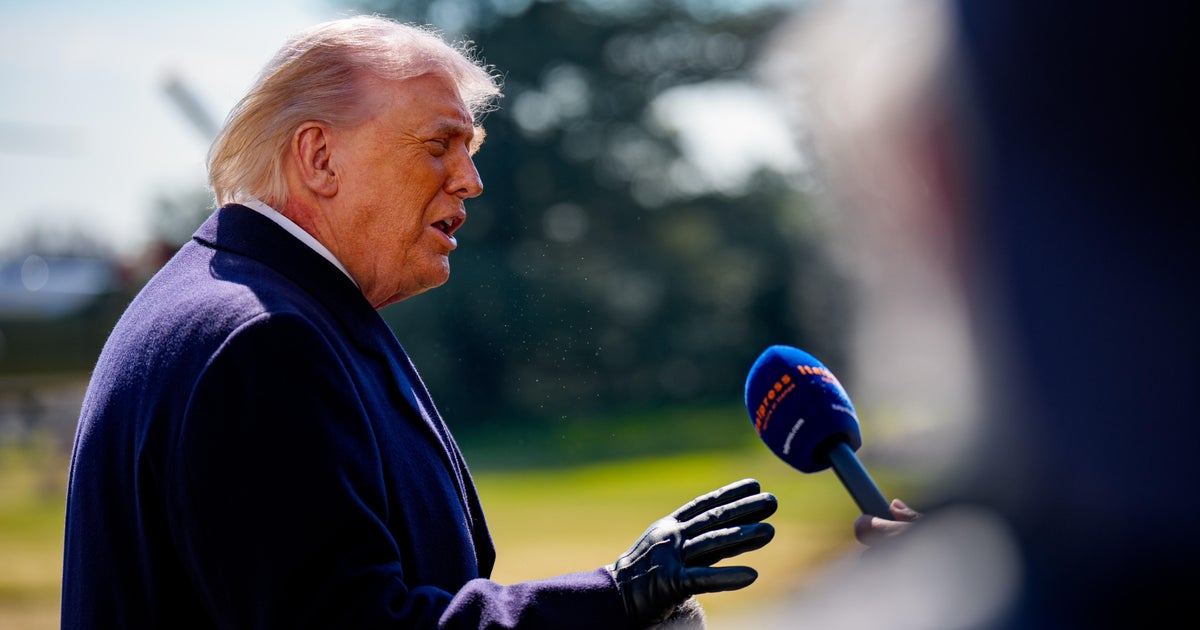
President Trump made no effort to hide his frustration on Friday when speaking to reporters about the ongoing nuclear negotiations with Iran. Before departing the White House for a scheduled energy policy speech in Texas, the president acknowledged that discussions with Iranian officials aren’t moving in the direction he had hoped. His candid admission that he’s “not happy” with Iran’s unwillingness to meet American demands signals a critical juncture in the diplomatic standoff between Washington and Tehran. While Trump emphasized that no final decision has been made regarding potential military strikes against Iranian facilities, his comments reflected the mounting pressure both sides face as they attempt to navigate this complex international crisis. The president’s visible frustration comes at a time when the United States has significantly increased its military presence in the Middle East, creating an atmosphere of uncertainty about whether this tense situation will be resolved through diplomacy or escalate into armed conflict.
High-Stakes Diplomacy in Geneva
Behind the scenes, crucial diplomatic efforts continued as U.S. special envoys Steve Witkoff and Jared Kushner, who is also the president’s son-in-law, traveled to Geneva, Switzerland for face-to-face talks with Iranian negotiators on Thursday. These discussions, facilitated by Oman acting as an intermediary, represent a critical effort to prevent what could potentially become a devastating military confrontation. The fact that neither the White House nor the envoys themselves released detailed information about what transpired during these meetings highlights the sensitive nature of the negotiations. However, Iranian Foreign Minister Abbas Araghchi, who headed Iran’s delegation, offered a cautiously optimistic assessment after the meeting concluded. He suggested that both nations appeared more committed to finding a negotiated settlement than in previous rounds of talks, and confirmed that a fourth round of negotiations has been scheduled for next week. This ongoing dialogue represents a delicate balancing act, where both nations are simultaneously preparing for potential conflict while leaving the door open for a peaceful resolution.
Military Buildup Creates Pressure
The diplomatic efforts are taking place against a backdrop of significant American military mobilization in the Middle East region. President Trump has overseen the deployment of what he describes as a naval “armada” to the area, a formidable force that includes advanced military aircraft, two aircraft carriers, and sophisticated guided-missile destroyers. This massive show of military strength serves multiple purposes: it demonstrates American resolve, provides the president with immediate options should he decide military action is necessary, and creates additional pressure on Iranian negotiators to reach an acceptable agreement. However, this buildup has not gone unnoticed by other nations in the region and beyond. Several Middle Eastern countries have expressed serious concerns that any American strikes against Iran could trigger a broader international conflict with unpredictable consequences. The State Department’s Friday decision to authorize the departure of non-emergency personnel and their families from Israel “due to safety risks” underscores how seriously the administration is taking the possibility of regional escalation. Additionally, Secretary of State Marco Rubio’s planned visit to Israel next week to discuss “regional priorities,” including the Iran situation, demonstrates the administration’s commitment to coordinating with key allies.
The Nuclear Weapons Red Line
At the heart of this international crisis lies one fundamental issue: President Trump’s absolute determination to prevent Iran from developing nuclear weapons. The president has repeatedly stated, in various forums and with unwavering consistency, that he will never allow what he calls “the world’s number one sponsor of terror” to acquire nuclear capabilities. This position represents a clear red line for the Trump administration, one that the president has indicated he is willing to enforce through military means if diplomatic solutions fail. Trump acknowledged to reporters that there is “always a risk” of becoming entangled in a prolonged war with Iran, but emphasized that preventing Iranian nuclear weapons development is worth that risk. The president expressed a clear preference for resolving the situation without military intervention, noting that while America possesses “the greatest military anywhere in the world” with capabilities that no other nation can match, he would “love not to use it.” However, he added the sobering caveat that “sometimes you have to do it with” the military, suggesting that he views armed action as a legitimate and potentially necessary option.
Recent Military Action and Current Context
The current round of negotiations doesn’t exist in a vacuum but rather follows previous American military action against Iranian nuclear facilities. Last June, the United States conducted strikes against three Iranian nuclear sites, operations that President Trump claimed during his State of the Union address on Tuesday had “obliterated Iran’s nuclear weapons program.” However, Trump also acknowledged during that same speech that Tehran is attempting to restart its nuclear weapons development efforts, which has necessitated the current negotiations and created the present crisis. Vice President JD Vance weighed in on the situation during an interview with the Washington Post on Thursday, confirming that the president continues to consider the possibility of additional strikes to ensure Iran cannot develop nuclear weapons. However, Vance was emphatic about one point: there is “no chance” that the United States would allow itself to become mired in a yearslong Middle Eastern conflict “with no end in sight.” This statement appears designed to reassure both the American public and international allies that any potential military action would be targeted and limited rather than the opening salvo of an extended war.
The Path Forward: Diplomacy or Military Action
As this critical situation continues to develop, President Trump finds himself walking a diplomatic tightrope, balancing his stated preference for a peaceful resolution against his unwavering commitment to preventing Iranian nuclear weapons development. During his address to a joint session of Congress, the president made his position crystal clear: “My preference is to solve this problem through diplomacy, but one thing is certain: I will never allow the world’s number one sponsor of terror, which they are by far, to have a nuclear weapon. Can’t let that happen.” This statement encapsulates the administration’s approach—genuine openness to diplomatic solutions combined with absolute resolve regarding the ultimate objective. The coming days and weeks will prove crucial as negotiators from both nations return to the table for their fourth round of discussions. The question hanging over these talks is whether Iran will offer concessions that satisfy American demands or whether President Trump will conclude that military action represents the only viable path to achieving his stated goal. With American military forces already positioned in the region and diplomatic channels remaining open, the world watches anxiously to see whether this high-stakes confrontation will be resolved peacefully or escalate into armed conflict with potentially far-reaching consequences for the Middle East and beyond.