


Trump Issues 48-Hour Ultimatum to Iran Amid Escalating Tensions
Unprecedented Threats and Deteriorating Diplomatic Relations
In what marks one of the most serious escalations in recent U.S.-Iran relations, President Donald Trump has issued a stark ultimatum to Tehran, threatening to “blow up the entire country” if a peace agreement isn’t reached within 48 hours. Speaking to ABC News’ senior political correspondent Rachel Scott on Sunday, the president dramatically shortened his previously stated timeline of two to three weeks for reaching a deal, instead declaring that the matter “should be days, not weeks.” The comments have raised serious concerns among international observers about the potential targeting of civilian infrastructure in Iran and the broader humanitarian consequences such actions could bring. Trump’s rhetoric has become increasingly aggressive, with the president claiming that Iran “has been decimated” and warning that “every day is going to get worse” for the country. The president painted a grim picture of Iran’s future, stating that the nation would need to continuously rebuild bridges, power plants, and other critical infrastructure, asserting that “there’s been no country that’s ever taken a pounding like that.” This escalation represents a significant intensification of the conflict that has centered around Iran’s control of the strategically vital Strait of Hormuz.
The Strait of Hormuz Crisis and Extended Deadlines
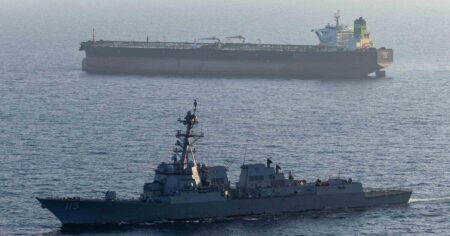
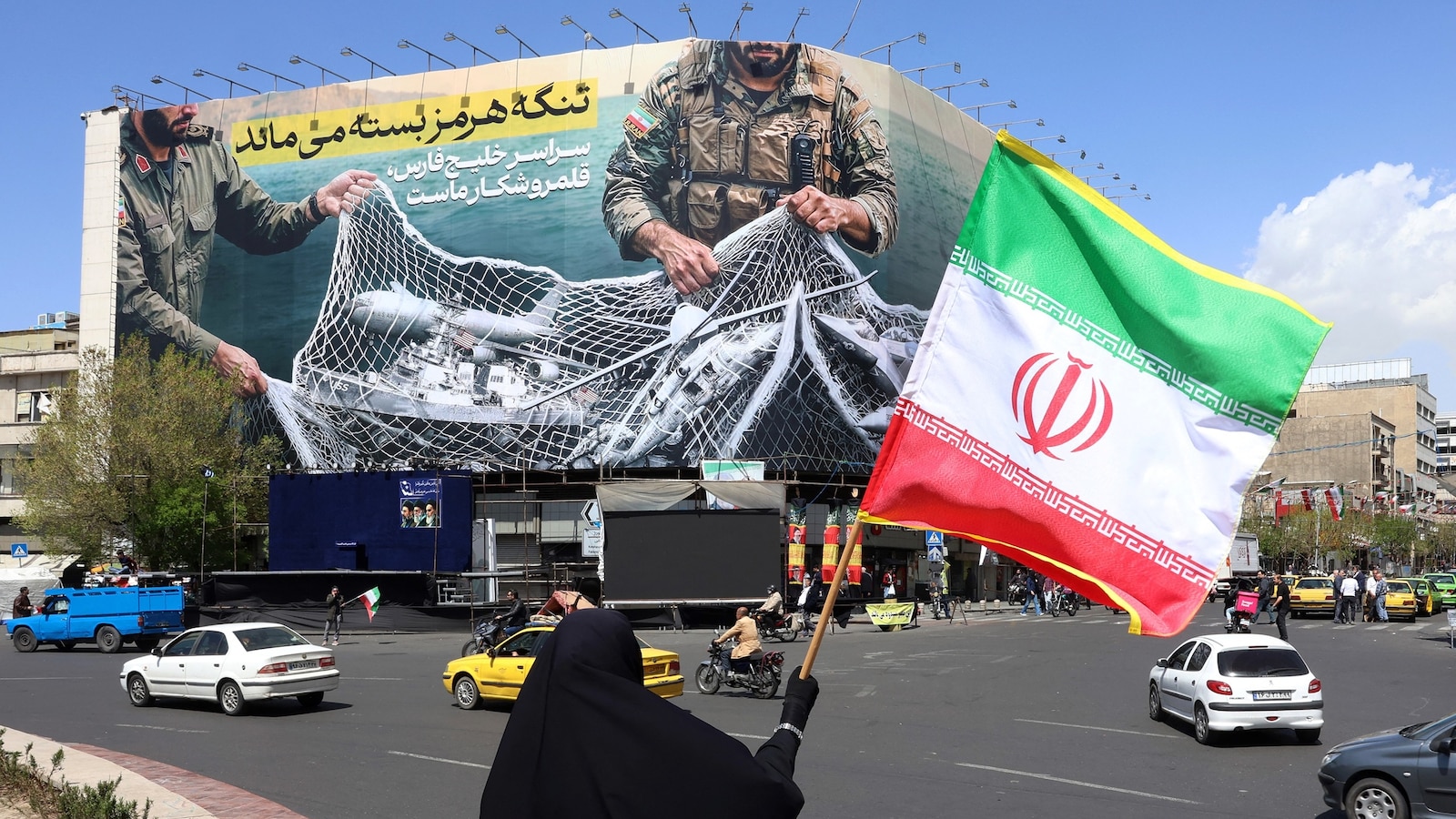
At the heart of this crisis lies the Strait of Hormuz, one of the world’s most critical maritime chokepoints through which a significant portion of global oil supplies must pass. Trump has repeatedly extended deadlines for Iran to fully reopen this strategic waterway to international shipping, with the latest ultimatum set for Tuesday at 8 p.m. Eastern Time. In a characteristically blunt social media post on his platform, the president warned Iranian leadership that if they fail to comply, “you’ll be living in Hell – JUST WATCH!” He declared that Tuesday would be “Power Plant Day, and Bridge Day, all wrapped up in one, in Iran,” promising that “there will be nothing like it.” This marks at least the second extension of Trump’s deadline in the same week, though on March 26, he had initially extended the ultimatum while claiming that peace talks “are going very well.” At that time, Trump announced he was “pausing the period of Energy Plant destruction by 10 days” at the request of the Iranian government, suggesting that back-channel communications were ongoing despite the increasingly hostile public rhetoric from both sides.
Conflicting Messages and Oil Interests
Adding to the confusion surrounding U.S. intentions, Trump has sent conflicting messages about his objectives in Iran. In a telephone interview with Fox News on Sunday, the president reportedly stated that he expects a deal with Iran to come by Monday, but if negotiations fail, he is “considering blowing everything up and taking over the oil.” However, when speaking later that day with ABC News, Trump pushed back against this characterization, adopting a more uncertain tone: “There could be a deal, and there could also not be a deal. I don’t know.” He emphasized the pressure Iran is under, saying “they’re getting the s— beat out of them,” while maintaining that “there’s been no country that’s ever taken a pounding like that.” When pressed on what would be off limits if no deal is reached, the president ominously replied that “very little” would be spared from potential strikes. The United States has formally sent Iran a 15-point proposal for ending the conflict, with negotiations being mediated by the Pakistani government, suggesting that despite the inflammatory rhetoric, diplomatic channels remain at least partially open.
Iran’s Response and Definition of “Non-Hostile” Vessels
Iranian officials have responded defiantly to Trump’s threats while simultaneously engaging in diplomatic maneuvering. Mohammad-Bagher Ghalibaf, the speaker of the Iranian parliament, issued a forceful response to Trump’s threats in a post on X (formerly Twitter), accusing the American president of “dragging the United States into a living HELL for every single family” and warning that “our whole region is going to burn because you insist on following Netanyahu’s commands.” Ghalibaf emphasized that “you won’t gain anything through war crimes” and insisted that “the only real solution is respecting the rights of the Iranian people and ending this dangerous game.” Meanwhile, Iranian Foreign Minister Abbas Araghchi has attempted to frame Iran’s position regarding the Strait of Hormuz in more nuanced terms, stating on state television that “from our point of view, the Hormuz Strait is not completely closed; it is closed only to our natural enemies.” Iran’s Ministry of Foreign Affairs clarified in a letter to the U.N.’s International Maritime Organization that the strait remains open to “non-hostile” vessels, which they define as ships from countries that “neither participate nor support acts of aggression against Iran” posed by the United States and Israel. Araghchi justified this position by declaring that “we are in a wartime situation; the region is a war zone,” arguing that “there is no reason to allow the ships of our enemies and their allies to pass, but it is free for the rest.”
Diplomatic Efforts and Mixed Signals
Despite the bellicose rhetoric from both sides, there are indications that diplomatic efforts continue behind the scenes. Trump claimed during a March 26 cabinet meeting that Iran is “begging to make a deal” to end the conflict, and he pointed to what he considered a positive gesture: Iran had allowed ten oil tankers operating under the Pakistani flag to pass through the strait, which Trump described as a “present” that communicated “that we’re dealing with the right people” in the peace negotiations. However, the situation on the ground remains volatile, with Iran continuing to demonstrate its willingness to use force. The Islamic Revolutionary Guard Corps, Iran’s military wing, announced on Saturday that it had struck an Israeli-linked container ship, the MSC Ishyka, with a drone near the Strait of Hormuz, though neither Israel nor the United States has publicly confirmed this attack. Iranian Foreign Minister Araghchi expressed gratitude to Pakistan for its mediation efforts in a social media post, stating “we are deeply grateful to Pakistan for its efforts and have never refused to go to Islamabad,” though he emphasized that what matters most are “the terms of a conclusive and lasting END to the illegal war that is imposed on us.”
The Broader Implications and Economic Warfare
The escalating confrontation between the United States and Iran carries profound implications not just for the two countries involved, but for global energy markets and regional stability throughout the Middle East. In an address to the nation on Wednesday night, President Trump declared that Iran is no longer a threat to the United States and that the war in Iran is “nearing completion,” while simultaneously promising to hit Iran “extremely hard” over the next two to three weeks with the stated goal of bringing them “back to the stone ages where they belong.” Iranian Foreign Minister Araghchi responded with pointed sarcasm, noting “there’s one striking difference between the present and the Stone Age: there was no oil or gas being pumped in the Middle East back then,” before asking pointedly, “Are POTUS and Americans who put him in office sure that they want to turn back the clock?” This exchange highlights the fundamental economic dimension of the conflict, with Iran leveraging its strategic position controlling access to Persian Gulf oil exports while the United States threatens the infrastructure necessary for Iran to function as a modern state. As the Tuesday deadline approaches, the international community watches nervously, uncertain whether diplomacy will prevail or whether the world is about to witness an unprecedented escalation in military action against Iranian civilian infrastructure, with all the humanitarian and geopolitical consequences such actions would entail.