

Trump’s Controversial Executive Order on Mail-In Voting: What You Need to Know
A Bold Move That’s Sure to Spark Legal Battles
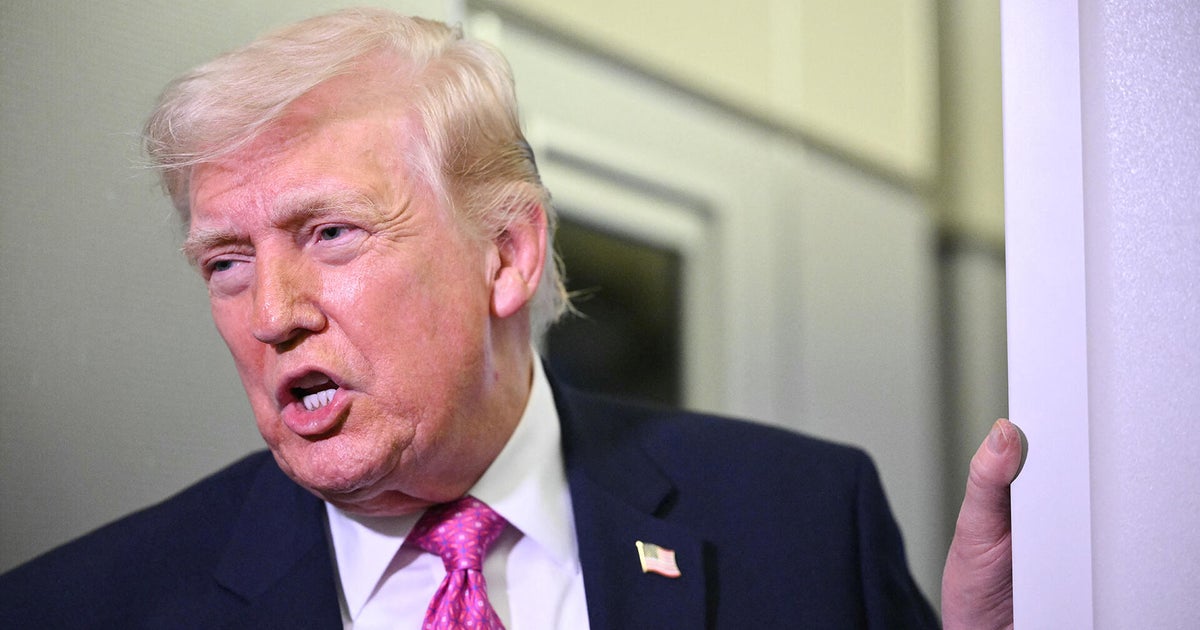
President Trump made waves this Tuesday by signing an executive order that dramatically changes how mail-in voting works across America. The order requires states to follow much stricter rules when handling mail-in ballots and directs his administration to compile comprehensive lists of confirmed U.S. citizens eligible to vote in every state. What makes this particularly contentious is that Trump bypassed Congress entirely to implement these changes, setting the stage for what legal experts predict will be fierce court battles ahead. Speaking from the Oval Office before putting pen to paper, the president didn’t mince words about his reasoning, claiming that “the cheating on mail-in voting is legendary.” He acknowledged that other voting reforms, like requiring identification and proof of citizenship at polling places, would have to wait for another day. The timing of this order is especially significant given that midterm primary elections are already underway in numerous states, leaving election officials scrambling to understand how—or if—they’ll need to comply with these new federal mandates.
The Mechanics of the New System
So what exactly does this executive order do? At its core, it creates an entirely new federal system for managing who can vote by mail. The responsibility for creating state-by-state lists of eligible voters falls to Markwayne Mullin, the newly confirmed Secretary of Homeland Security, who will tap into data from the Social Security Administration to verify citizenship status. Once these lists are compiled, the U.S. Postal Service will only be allowed to send absentee ballots to people whose names appear on what the White House is calling each state’s “federally prepared approved mail-in ballot list.” The order also specifies that there will be one envelope per ballot—a detail that election administrators say could complicate the secure return of ballots. Perhaps most concerning to state officials is the stick that comes with this federal carrot: states that refuse to comply with the executive order risk losing federal funding. This threat of financial consequences has raised immediate questions about the constitutional balance between federal authority and states’ rights to run their own elections, a tension that has defined American democracy since the nation’s founding.
The Questions Nobody Can Answer Yet
The devil, as they say, is in the details, and this executive order leaves many critical questions unanswered. Perhaps the most troubling concern is this: what happens if an eligible U.S. citizen is accidentally or improperly left off the federal list? Government databases, while generally reliable, are far from perfect. People move, change their names, become naturalized citizens, and sometimes information simply gets entered incorrectly. In a country where voting is considered a fundamental right, the prospect of eligible citizens being denied the ability to vote by mail because of a bureaucratic error is deeply worrying to civil rights advocates. Additionally, it remains unclear how this order will affect the midterm primaries that are already in progress. Can states that have already sent out mail-in ballots suddenly change course? What about voters who have already requested ballots under the old system? Election officials across the country are desperately seeking clarification on these practical matters, but so far, the administration hasn’t provided detailed implementation guidance.
The Justice Department’s Parallel Push for Voter Data
Adding another layer to this unfolding story, CBS News revealed earlier this week that the Justice Department and Department of Homeland Security are on the verge of finalizing an agreement that would allow the federal government to use sensitive voter registration data for immigration and criminal investigations. This development has sent shockwaves through privacy and voting rights advocacy groups, who worry about the chilling effect such data sharing might have on voter registration, particularly among immigrant communities. The Justice Department’s aggressive pursuit of statewide voter rolls has already sparked legal battles in dozens of states, and notably, the department hasn’t disclosed its data-sharing plans to any of the courts where these cases are being heard. Attorney General Pam Bondi has even filed lawsuits against top election officials in California, Michigan, Minnesota, New York, New Hampshire, and Pennsylvania, claiming their refusal to hand over complete voter registration rolls violates federal law. These states have pushed back, arguing that such data sharing poses security risks and could be used for purposes far beyond election integrity, potentially intimidating eligible voters or targeting individuals based on their registration status.
The Irony of Trump’s Own Mail-In Voting
In what critics have called a stunning display of “do as I say, not as I do,” President Trump himself voted by mail in Florida’s special election earlier this month, despite being physically present in the state while early in-person voting was available. When questioned about this apparent contradiction—given his repeated characterization of mail-in voting as “mail-in cheating”—the president offered a simple defense: he’s the president, which apparently makes it different. This explanation has done little to satisfy those who see a fundamental inconsistency in Trump’s position. For years, the president has railed against mail-in voting, suggesting without evidence that it leads to widespread fraud, while simultaneously taking advantage of the very system he criticizes. Voting rights advocates point out that mail-in voting has been used successfully by both Republican and Democratic voters for decades, with study after study showing that actual fraud is extremely rare. Military members stationed overseas, elderly voters, people with disabilities, and those who travel for work have all relied on mail-in voting to exercise their constitutional rights. The president’s personal use of the system while simultaneously working to restrict it for others has become a symbol for critics of what they view as the order’s true purpose: not preventing fraud, but making it harder for certain groups to vote.
What Happens Next: Legal Challenges and Political Fallout
Legal experts across the political spectrum agree on one thing: this executive order will almost certainly end up in court, and quickly. The fundamental question is whether a president has the constitutional authority to impose such sweeping changes to election procedures without congressional approval. The Constitution gives states broad authority to run their elections, with Congress having specific powers to regulate federal elections. Where exactly executive authority fits into this framework is murky at best. Election law professors have already indicated they expect emergency lawsuits to be filed in multiple jurisdictions, possibly leading to a patchwork of rulings where the order is enforced in some states but blocked in others—at least temporarily. Beyond the legal battles, the political implications are enormous. Democrats have vowed to fight the order tooth and nail, calling it an unconstitutional power grab designed to suppress votes rather than protect election integrity. Some Republicans, particularly those in states with well-established mail-in voting systems, have expressed quiet concern about the practical difficulties of implementing such dramatic changes so close to important elections. Election administrators, regardless of party affiliation, have voiced frustration about being put in the impossible position of trying to comply with a federal mandate that may conflict with state laws and existing procedures. As primary elections continue and the 2026 midterms approach, the fate of mail-in voting in America hangs in the balance, with courts, Congress, and ultimately voters themselves likely to have the final say on whether this executive order represents the future of American elections or an executive overreach that will be struck down as unconstitutional.