


Nuclear Negotiations Between U.S. and Iran Show Promise Despite Tensions
Significant Progress Reported in Diplomatic Talks
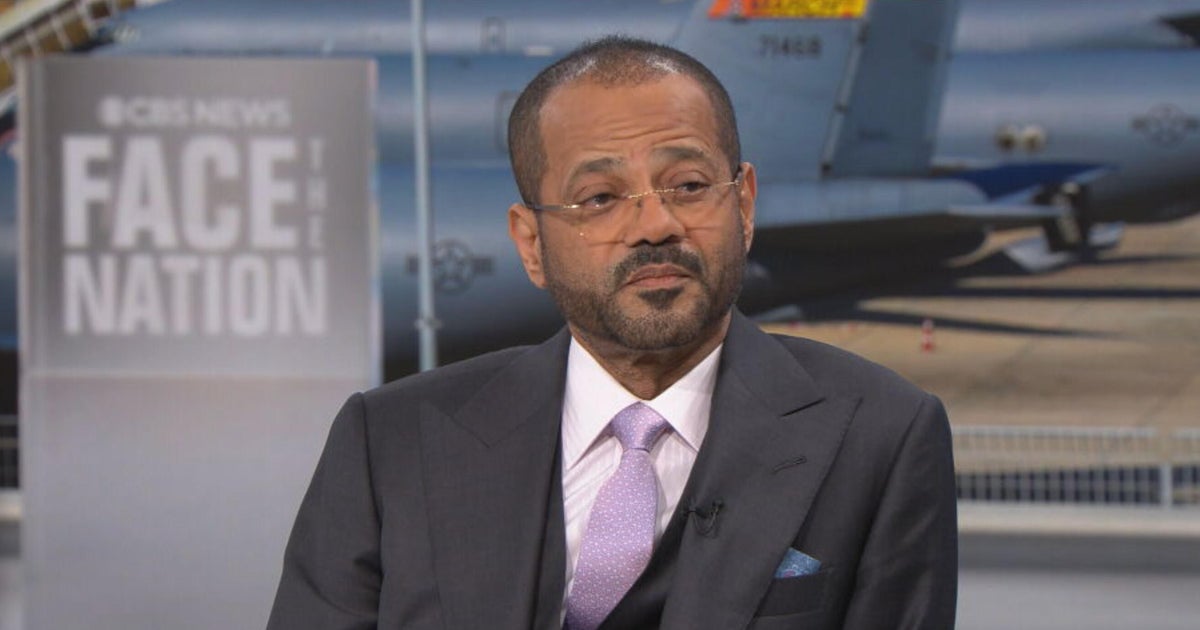
There’s cautious optimism emerging from the diplomatic channels between the United States and Iran, as Oman’s Foreign Minister Badr Albusaidi revealed that negotiators have made “substantial progress” toward reaching an agreement that could resolve longstanding tensions over Iran’s nuclear program. Speaking to CBS News on Friday, Albusaidi, who has been serving as a crucial mediator in these delicate negotiations over the past month, told “Face the Nation” that a “peace deal is within our reach.” This development comes at a particularly critical moment, as President Trump weighs the possibility of military strikes against Iran if diplomatic efforts fail. The Omani foreign minister’s optimistic assessment stands in stark contrast to the military threats that have loomed over the region, offering a potential pathway away from conflict and toward a diplomatic resolution that could reshape Middle Eastern geopolitics for years to come.
Iran’s Nuclear Commitments and Verification Measures
According to Albusaidi’s account of the negotiations, Iran has made significant commitments that could fundamentally change the landscape of nuclear non-proliferation in the region. Most importantly, Iran has reportedly agreed that it will “never, ever have nuclear material that will create a bomb,” which the Omani mediator described as a “big achievement” in the negotiation process. Beyond this verbal commitment, Iran has allegedly agreed to concrete measures regarding its existing stockpiles of enriched uranium. These stockpiles would be “blended to the lowest level possible” and “converted into fuel,” with Albusaidi emphasizing that this conversion process would be “irreversible.” This represents a substantial concession from Iran, as it would effectively eliminate the country’s ability to quickly produce weapons-grade nuclear material. Furthermore, Iran has reportedly agreed to grant inspectors from the United Nations’ International Atomic Energy Agency “full access” to its nuclear sites to verify compliance with any agreement. Albusaidi characterized the verification regime as comprehensive, promising “zero accumulation, zero stockpiling, and full verification.” He even expressed confidence that American inspectors might eventually gain access to Iranian nuclear facilities if a “fair and endurable deal” is put in place, which would represent an unprecedented level of transparency from a country that has historically been secretive about its nuclear activities.
President Trump’s Contrasting Perspective
Despite the optimistic reports from Oman’s mediator, President Trump struck a notably different tone when addressing reporters on Friday, revealing the delicate and fragile nature of these negotiations. Trump stated plainly that he is “not happy” with how quickly the talks are progressing and indicated he had not yet made a final decision about whether to authorize military strikes against Iran. “I’m not happy with the fact that they’re not willing to give us what we have to have,” Trump told reporters. “I’m not thrilled with that. We’ll see what happens. We’re talking later.” Later that same day, during an event in Texas, Trump clarified his position further, stating that he wants Iran to completely cease all uranium enrichment activities. “They want to enrich a little bit. You don’t have to enrich when you have that much oil,” the president said. “I say, no enrichment.” This maximalist position from Trump represents a significant potential obstacle to reaching any agreement, as Iran has consistently maintained that it has a sovereign right to enrich uranium for peaceful purposes. Iranian Foreign Minister Abbas Araghchi reinforced this position last week when he told “Face the Nation” that Iran has “every right to enjoy a peaceful nuclear energy, including enrichment.” This fundamental disagreement over whether Iran should be allowed any uranium enrichment capability at all represents perhaps the most significant gap between the two sides and may prove to be the deal-breaking issue if neither side proves willing to compromise.
Historical Context and Current Intelligence Assessments
The current negotiations are taking place against a complex historical backdrop that influences both sides’ positions and levels of trust. Iran previously agreed to significant limitations on its uranium enrichment activities under the Joint Comprehensive Plan of Action, commonly known as the Iran nuclear deal, which was negotiated in 2015 by the Obama administration along with several other world powers including Britain, France, Germany, Russia, and China. However, President Trump withdrew the United States from that agreement during his first term in office, arguing that it wasn’t strict enough and didn’t address other concerning Iranian behaviors such as ballistic missile development and support for proxy forces throughout the Middle East. Following America’s withdrawal from the agreement and the reimposition of harsh economic sanctions, Iran gradually stopped complying with the deal’s restrictions and dramatically expanded its nuclear program. In recent years, Iran has enriched uranium up to 60% purity, which brings the material to just a short technical step away from the 90% purity level generally considered necessary for nuclear weapons. Despite this concerning development, U.S. intelligence agencies assessed last spring that Iran had not actually reauthorized a nuclear weapons program that intelligence officials believe was suspended back in 2003, and Iranian officials have consistently denied any interest in developing nuclear weapons. However, a confidential report issued this week by the International Atomic Energy Agency has raised new concerns, as it assessed that Iran is conducting unexplained activity at nuclear sites that were bombed by U.S. forces last June, according to CBS News reporting. This revelation adds another layer of complexity and potential mistrust to the ongoing negotiations.
Scope of Negotiations and Regional Concerns
The current talks between American and Iranian negotiators have been carefully circumscribed in their scope, focusing specifically on Iran’s nuclear program rather than attempting to address the full range of contentious issues between the two countries. The negotiations have notably excluded discussions about Iran’s extensive ballistic missile program or its long-standing practice of funding and supporting proxy forces throughout the Middle East, including groups in Lebanon, Syria, Iraq, and Yemen. This limited scope has drawn criticism from some quarters, particularly from Israeli Prime Minister Benjamin Netanyahu, who has argued forcefully that any comprehensive deal with Iran should address these issues alongside the nuclear question. U.S. Secretary of State Marco Rubio echoed these concerns earlier this week, calling Iran’s unwillingness to discuss its ballistic missile program a “big, big problem” for reaching a truly comprehensive agreement. However, Albusaidi suggested that while the immediate priority is resolving the nuclear issue, there may be room for broader discussions down the line. “Priority number one is to get this nuclear issue resolved,” he told CBS News, but added optimistically, “I believe Iran is open to discuss everything.” This phased approach to negotiations reflects the practical reality that trying to resolve too many complex issues simultaneously can doom diplomatic efforts, but it also raises questions about whether a nuclear-only agreement can truly address regional security concerns or satisfy critics who want a more comprehensive approach.
Timeline and Path Forward
The negotiations have already progressed through three rounds of indirect talks over the past month, beginning with initial discussions in Oman and continuing with two subsequent rounds held in Geneva, Switzerland. Technical talks are scheduled to resume on Monday in Vienna, and Albusaidi indicated he hopes to meet with the American negotiating team—led by Steve Witkoff and Jared Kushner—a few days after those technical discussions conclude. Despite the progress reported by the Omani mediator, Albusaidi acknowledged that negotiators need “a little bit more time” to work through remaining details and iron out the final terms of any agreement. When asked whether he believes enough progress has been made to prevent President Trump from authorizing military strikes against Iran, Albusaidi responded cautiously: “I hope so.” He expressed his belief that both the United States and Iran are “very, very serious to reach a deal” and suggested that an agreement could potentially be struck quite soon, though he noted that implementing the terms of any deal might require approximately three months. His advice to President Trump was straightforward: “If I was President Trump, my only advice is just to give those negotiators enough room and enough space to really close these remaining areas that we need to discuss and agree upon.” Whether Trump will follow this advice and allow diplomacy the time it needs to succeed, or whether he will lose patience and resort to military action, remains an open question that will likely be answered in the coming days or weeks, with profound implications for regional stability and global security.