


Pakistan and Afghanistan: Understanding the Escalating Border Conflict
A Dangerous Escalation Between Neighboring Nations
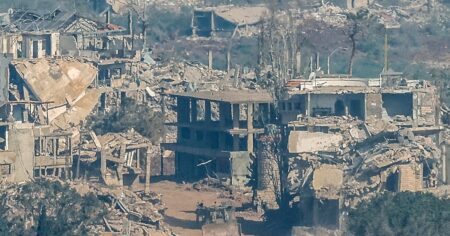
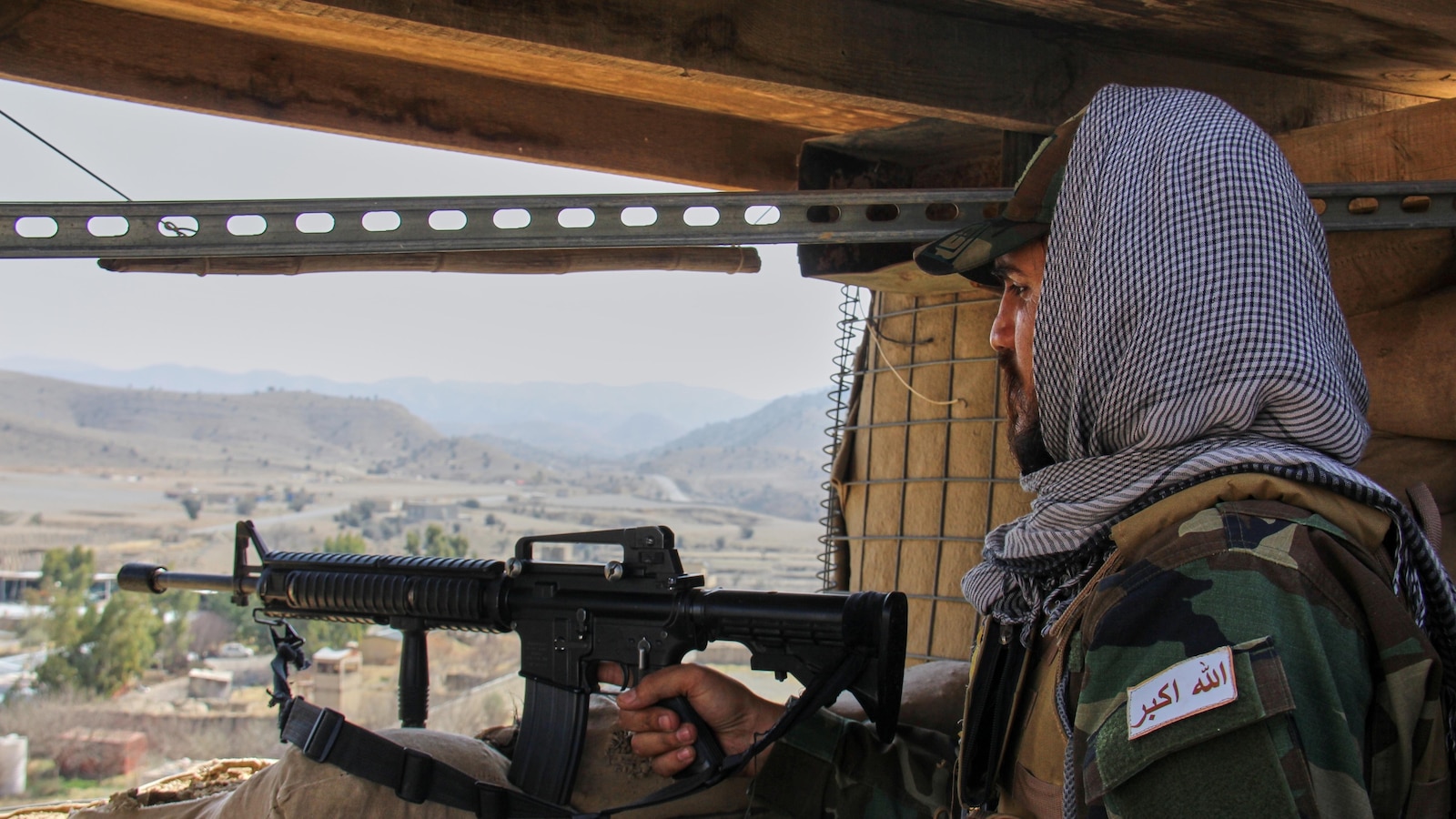
The relationship between Pakistan and Afghanistan has reached a critical breaking point, with Pakistan’s Defense Minister Khawaja Mohammad Asif declaring on Friday that the two countries are engaged in an “open war.” This stark pronouncement came as fighting intensified along their shared border, marking the most severe military confrontation between these uneasy neighbors since a Qatari-brokered ceasefire brought temporary peace in October of the previous year. The current situation represents a dramatic deterioration in relations between two nations that, despite sharing deep cultural, ethnic, and economic connections dating back to Pakistan’s founding in 1947, have experienced a relationship characterized by persistent volatility and recurring armed conflicts. The latest round of violence began when Afghanistan launched what it described as an extensive retaliatory cross-border attack into six Pakistani provinces on Thursday night, responding to Pakistani airstrikes conducted the previous Sunday. While Pakistani authorities claimed their strikes had successfully targeted and eliminated dozens of militants operating within Afghan territory, officials in Kabul painted a starkly different picture, asserting that the casualties were exclusively innocent civilians, including women and children. Pakistan responded swiftly with additional airstrikes in the early hours of Friday, targeting not only border areas but also striking the Afghan capital along with the cities of Kandahar and Paktia. What had briefly paused has now reignited, with border fighting continuing and showing no signs of immediate resolution.
The Heart of the Conflict: Militant Groups and Safe Havens
At the core of this escalating crisis lies Pakistan’s growing frustration with what it perceives as Afghanistan’s unwillingness to address the presence of militant groups operating from Afghan soil. Pakistan has experienced a troubling surge in militant violence within its borders over recent years, manifesting in devastating suicide bombings and sophisticated coordinated attacks primarily targeting security personnel and installations. Pakistani authorities have consistently pointed their finger at the Tehrik-e-Taliban Pakistan, commonly known as TTP or the Pakistani Taliban, as the primary perpetrator of these deadly attacks. More significantly, Pakistan accuses Afghanistan’s Taliban government of providing sanctuary and operational space for these militants within Afghanistan’s borders. The Afghan government categorically rejects these allegations, maintaining its position that it does not permit anyone to use Afghan territory as a launching pad for attacks against any country, Pakistan included. The TTP itself emerged in 2007 as an umbrella organization that united various outlawed militant factions under a common cause: working against the Pakistani state while supporting their ideological cousins, the Afghan Taliban, who were then engaged in combat against U.S. and NATO forces occupying Afghanistan. Both the United Nations and the United States have officially designated the TTP as a terrorist organization, recognizing the threat it poses to regional stability and security.
The TTP’s stated objectives reveal the ideological and practical nature of the conflict. The group demands the implementation of stricter Islamic law throughout Pakistan, the unconditional release of its members currently held in Pakistani detention facilities, and a significant reduction in Pakistani military presence throughout Khyber Pakhtunkhwa, the province bordering Afghanistan that has served as the group’s traditional base of operations for many years. While organizationally distinct from the Afghan Taliban that currently governs Afghanistan, the TTP maintains close ideological and operational ties with its Afghan counterpart. Intelligence assessments suggest that many TTP leaders and fighters have found refuge within Afghanistan since the Taliban’s dramatic return to power in August 2021, a development that has further complicated and strained the already fragile relationship between the two neighboring countries. An attempt at reconciliation came in 2022 when the Afghan government brokered what was hoped to be a sustainable ceasefire between the TTP and Pakistan, but this fragile truce quickly collapsed amid mutual accusations of violations, with the TTP claiming that Pakistan’s military had failed to honor the terms of the agreement.
Historical Context and the Durand Line Dispute
Understanding the current conflict requires examining the complex historical relationship between these two nations. Pakistan was among only three countries worldwide—alongside Saudi Arabia and the United Arab Emirates—that officially recognized the first Taliban government when it initially seized control of Afghanistan in 1996. This relationship represented Pakistan’s strategic interests in the region and its historical connections with various Afghan factions. However, the terrorist attacks of September 11, 2001, in the United States fundamentally altered this dynamic. Under intense international pressure, particularly from Washington, Islamabad made the controversial decision to align itself with the United States in the American-led war in Afghanistan. This dramatic policy reversal provoked outrage among Islamist militant groups operating within Pakistan, who viewed it as a betrayal of Islamic solidarity and Pakistani interests. The consequences of this decision continue to reverberate through Pakistani society and politics today, contributing to the militant violence that plagues the country.
Much of the ongoing tension concentrates along the two countries’ extensive 2,611-kilometer (1,622-mile) frontier, historically known as the Durand Line. This border bears the name of British diplomat Mortimer Durand, who established it in 1893 during the era of British colonial rule in the region. The line’s creation represented a colonial imposition that arbitrarily divided territories without regard for existing ethnic, tribal, and cultural boundaries. Most significantly, the Durand Line cuts directly through the traditional homeland of the Pashtun people, Afghanistan’s largest ethnic group and the demographic foundation from which the Afghan Taliban movement emerged. While the international community recognizes this boundary as Pakistan’s legitimate western border, successive Afghan governments have refused to acknowledge it as such, viewing it as an illegitimate colonial artifact that divided Pashtun lands. This fundamental disagreement over sovereignty and territorial boundaries creates a persistent source of friction. Both nations regularly accuse each other of deliberately ignoring or even facilitating the activities of Islamic militant groups operating in the poorly controlled border regions, where the central authority of either government has historically been weak or absent.
Recent Escalations and Failed Peace Efforts
Tensions between Afghanistan and Pakistan had been simmering for months before the current crisis, but the situation reached a critical juncture last year when violent clashes resulted in dozens of deaths among civilians, security forces, and militants, marking the deadliest confrontations between the two countries in years. A particularly shocking incident occurred on October 8 when militants executed a carefully planned ambush on an army convoy traveling through Pakistan’s Orakzai district, killing eleven soldiers in a single attack. This assault was part of a broader and sustained wave of militant violence that has claimed the lives of hundreds of civilians and security personnel across Pakistan in recent years, creating a sense of crisis within the Pakistani government and military establishment. Prime Minister Shehbaz Sharif responded to this deteriorating security situation by publicly declaring that Pakistan could no longer tolerate the continuing loss of innocent lives and announced that the military had been granted full authority to respond with whatever force it deemed necessary. The very next day, Pakistan’s military conducted strikes inside Afghan territory, predictably prompting immediate cross-border clashes that threatened to spiral into a wider conflict.
A ceasefire mediated by Qatar in mid-October succeeded in halting the immediate fighting, providing a temporary respite from the violence. However, this pause proved short-lived and fragile, as repeated strikes and skirmishes in frontier areas continued to occur with disturbing regularity, resulting in dozens of additional deaths. The two sides present vastly different casualty figures, each accusing the other of minimizing their own aggression while exaggerating losses inflicted by the opposing side. An attempt at establishing a more durable peace came in November when representatives from both countries met for talks in Istanbul, but these negotiations failed to produce any long-term solution or framework for addressing the underlying issues driving the conflict. The situation has been further complicated by Pakistan’s controversial decision to launch a massive deportation campaign targeting Afghan refugees. In 2023, Pakistani authorities initiated a nationwide crackdown on foreigners living within the country without proper legal documentation. While officials insisted the campaign applied to all nationalities and was not discriminatory, the practical reality is that it has overwhelmingly affected the Afghan refugee population, which represents the vast majority of undocumented foreigners in Pakistan.
The Refugee Crisis and Humanitarian Dimensions
Over the past four decades, millions of Afghans have sought safety and opportunity in Pakistan, fleeing successive waves of warfare, political instability, and crushing economic hardship in their homeland. This mass migration created one of the world’s largest and most protracted refugee situations. The current crackdown affects more than two million Afghans living in Pakistan, including many who were born on Pakistani soil and have never known any other home. This forced displacement has created a humanitarian crisis, particularly as Iran, Afghanistan’s neighbor to the west, has simultaneously conducted its own expulsion operations, creating a pincer effect that puts enormous strain on Afghanistan’s already limited resources and infrastructure. According to the United Nations refugee agency, an staggering total of 5.4 million people have returned to Afghanistan since October 2023, with the overwhelming majority coming from Pakistan and Iran. This massive influx of returnees has overwhelmed Afghanistan’s capacity to absorb them, creating desperate conditions in an already impoverished country struggling under Taliban rule and international isolation. The international community has expressed alarm not only about the humanitarian catastrophe but also about the security implications, as displaced and desperate populations can become vulnerable to recruitment by extremist organizations seeking to exploit their grievances and dire circumstances.
International Concern and Uncertain Future
The escalating fighting between Pakistan and Afghanistan has generated serious concern throughout the international community, particularly because the border region serves as a haven for various militant and terrorist organizations beyond just the TTP. Groups including al-Qaida and affiliates of the Islamic State continue to maintain a presence in these remote, poorly governed areas, and there are indications that these organizations are attempting to rebuild their capabilities and resurface as significant threats. The potential for this regional conflict to create opportunities for these international terrorist networks adds a global dimension to what might otherwise be viewed as a localized border dispute. In October, Turkey, Qatar, and Saudi Arabia had facilitated diplomatic talks between the conflicting parties, demonstrating the international community’s investment in preventing further escalation. At that time, U.S. President Donald Trump publicly stated his intention to resolve the conflict “very quickly,” though whether he will engage again with this issue amid his administration’s numerous other priorities remains uncertain.
Current diplomatic efforts continue, with Turkish Foreign Minister Hakan Fidan holding conversations with his counterparts from Pakistan, Afghanistan, Qatar, and Saudi Arabia in an attempt to de-escalate the situation, according to Turkish officials speaking on condition of anonymity. Russia has issued a call for an immediate cessation of hostilities and urged both parties to pursue a diplomatic resolution to their differences, while Iran has signaled its readiness to assist in facilitating dialogue between the two neighboring countries. The international community’s challenge lies in finding leverage and incentives that can persuade both Pakistan and Afghanistan to step back from confrontation and engage in meaningful negotiations addressing the fundamental issues dividing them: border security, militant sanctuaries, refugee populations, and the unresolved question of the Durand Line. Without addressing these underlying structural problems, any ceasefire will likely prove temporary, and the cycle of violence, retaliation, and escalation will continue to threaten regional stability and the lives of countless civilians caught in the crossfire of this dangerous conflict between two nations whose futures remain deeply intertwined despite their current hostilities.