


Western United States Faces Unprecedented Snow Drought Crisis
Introduction: A Winter Without Snow
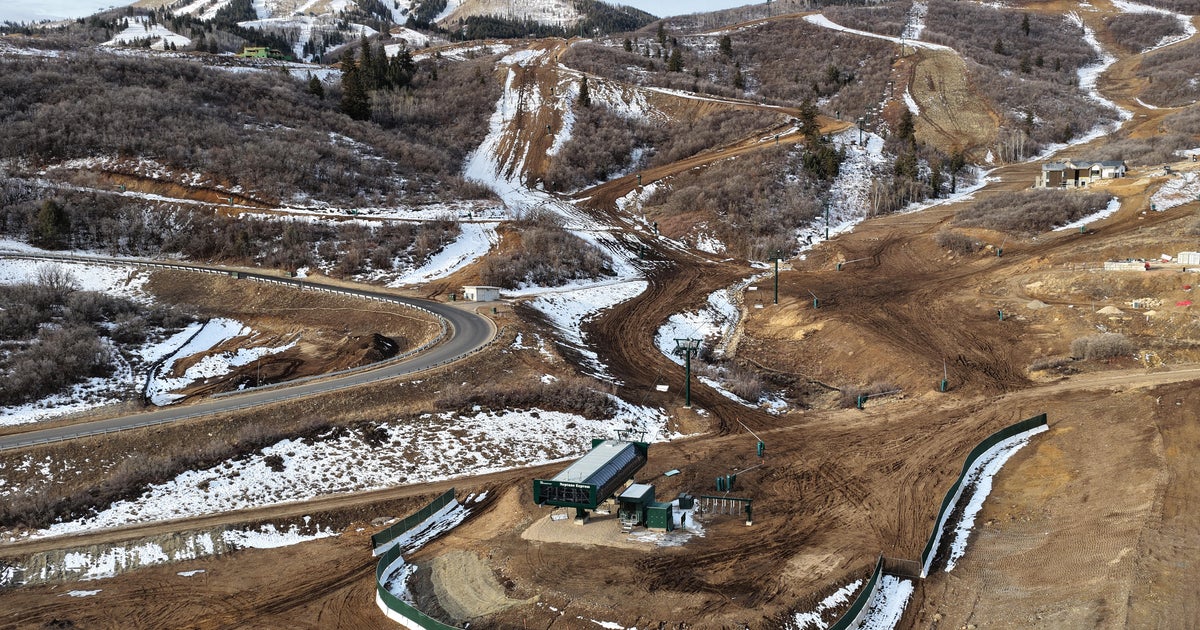
This past winter delivered a jarring wake-up call to residents and visitors across the American West. Where powdery white slopes should have beckoned skiers and snowboarders, viral images instead revealed a disturbing reality: chairlifts suspended over brown, barren mountainsides at some of the nation’s most celebrated winter destinations. From the glamorous peaks of Aspen, Colorado, to the renowned runs of Park City, Utah, iconic ski towns faced an unprecedented phenomenon—a historic snow drought that left slopes eerily bare and experts increasingly alarmed about what lies ahead. According to Russ Schumacher, Colorado’s state climatologist and director of the Colorado Climate Center at Colorado State University, the region hasn’t witnessed such severe conditions in over four decades. Utah’s state climatologist Jon Meyer echoed similar concerns, while newly released federal data confirmed that New Mexico and Arizona were experiencing comparable crises. Across all four states, snowpack—the vital accumulation of mountain snow that feeds rivers, reservoirs, and drinking water systems once it melts—has plummeted to record lows, setting the stage for potentially devastating water shortages and heightened wildfire risks in the months to come.
The Scope of the Crisis: From Satellites to Snowpack
The severity of this winter’s snow drought became undeniable when NASA released satellite imagery in mid-January showing remarkably sparse snow cover across both the Rocky Mountains and the Cascade Range. The images represented the lowest snow extent ever recorded for that date since satellite monitoring began in 2001, marking a sobering milestone in the region’s climate history. Throughout the winter months, this troubling trend persisted, with western snow cover consistently lagging far behind historical averages on most days, according to data from the National Snow and Ice Data Center. The implications of this shortage extend far beyond disappointed ski resort operators and winter sports enthusiasts. In the American West, where approximately 75 percent of the water supply originates from mountain snowpack, a deficit of this magnitude threatens to disrupt fundamental aspects of daily life for millions of people. Multiple experts emphasized to CBS News that because the amount of snow falling during winter directly determines water availability for spring, summer, and beyond, the consequences of this year’s drought will likely reverberate throughout the remainder of the year and possibly longer. Jason Gerlich, a regional drought information coordinator at the National Integrated Drought Information System (NIDIS), summarized the situation bluntly: “When people ask what they should be concerned about coming into the spring or summer months, I say: water supply, water supply, water supply, and fire concerns.”
Water Shortage Concerns: A Critical Resource Under Threat
What makes the current situation particularly alarming to researchers isn’t necessarily the total amount of precipitation that fell across the West this winter—those totals were actually near normal in many areas. Rather, it’s the specific scarcity of snow that has scientists deeply concerned. Every single state and major river basin in the western United States is currently experiencing some degree of snow drought, according to a comprehensive report authored by Gerlich and fellow researchers at NIDIS. The situation deteriorated progressively from February into March, and experts predicted further deepening of the drought following an unseasonably early heat wave that swept through the region. The Colorado River Basin—a watershed of critical importance that sustains approximately 40 million people and has been under strain for decades—is already feeling the acute effects of this snow shortage. The amount of water stored in the basin’s snowpack has reached an all-time record low, threatening the viability of Lake Mead and Lake Powell, the basin’s two largest reservoirs. This crisis could severely impact agricultural operations in some of the driest regions of Arizona, California, and Nevada, where farmlands depend entirely on Colorado River water with no alternative dependable sources available. Federal forecasts paint an even grimmer picture: by year’s end, water levels in Lake Powell could drop so precipitously that they’ll be insufficient to spin the turbines at the nearby Glen Canyon Dam—turbines that generate electricity powering homes, businesses, and irrigation systems throughout the region. The reservoir currently sits at approximately 25 percent of its total capacity, a stark indicator of the severity of the situation.
Broader water supply forecasts suggest that shortages aren’t merely possible—they could be imminent and potentially widespread across multiple states. The latest projections from the Colorado River Basin Forecast Center indicate water availability well below average levels. Meanwhile, forecasts for California and Nevada predict that most monitored locations in these states will have less than half their normal water supplies throughout most of spring and summer due to weak snowmelt, with few locations exceeding 70 percent of normal. For some Nevada communities that depend on reservoirs, supplies could shrink to a mere fraction of typical levels—as low as 9 percent in certain areas. The impacts may prove particularly severe for the state’s rural ranching communities, many of which lack access to reservoir water and instead depend directly on mountain runoff to irrigate their land, according to Jeff Anderson, a water supply specialist for Nevada at the U.S. Department of Agriculture. Utah faces similarly daunting prospects, with the state expected to receive less than half of its average seasonal water supply, said Meyer, Utah’s climatologist, and some central regions projected to see as little as 20 percent of normal. While the state’s reservoirs were designed specifically to buffer these natural fluctuations—storing water during wet years to draw upon during dry ones—persistent drought conditions have compromised even this backup plan, leaving communities increasingly vulnerable to water scarcity.
Wildfire Risks: A Perfect Storm for Disaster
The same environmental forces that are constraining western water supplies are simultaneously creating conditions conducive to an expanded and potentially devastating wildfire season. The West’s fire season has already lengthened considerably over the past few decades as rising temperatures and intensifying drought have transformed the regional landscape. Snowpack typically functions as a crucial seasonal buffer against fire, keeping land cool and moist well into spring, explained Gerlich. When that protective snow cover disappears prematurely, soil and vegetation are exposed earlier to the desiccating effects of heat and sun, allowing them to dry out much more rapidly than usual. This accelerated drying could translate into an earlier start to wildfire season, extending the dangerous period when conditions favor fire ignition and spread. The National Interagency Fire Center has already issued warnings that the potential for significant fires will be higher than normal across parts of the Southwest later this spring, attributing this elevated risk in part to diminished snowpack. While an early start to fire season doesn’t automatically guarantee a severe or destructive year, Gerlich cautioned, the conditions now developing across the West increasingly mirror those that have fueled some of the region’s most catastrophic blazes in recent years—fires that have destroyed thousands of homes, displaced entire communities, degraded air quality across vast areas, and tragically claimed lives.
Record Warmth and Climate Change: The Underlying Cause
At the root of the current snow drought lies a combination of interconnected factors, with unusual warmth driven by climate change playing a central role, according to experts across multiple disciplines. Weather conditions throughout the West this winter were not merely warm—they were exceptionally, and in some cases dramatically, warm according to various weather and climate monitoring offices throughout the region. These elevated temperatures fundamentally altered the form of precipitation that fell, causing moisture that would historically have accumulated as snow to instead materialize as rain. “It’s just too warm” for snowfall in many situations, Gerlich explained succinctly. The statistics tell a compelling story: seven states currently experiencing snow drought—including Colorado, Nevada, Oregon, Utah, and Wyoming—just completed their warmest winters since systematic record-keeping began in 1895. Arizona and New Mexico didn’t merely break their previous warmth records; they shattered them by more than two degrees Fahrenheit, according to the NIDIS report. California, Idaho, and Montana recorded their second-warmest winters on record, while Washington experienced its fourth-warmest. “That warmth is on track with the climate change signal that we’ve been seeing,” explained Daniel McEvoy, a researcher at the Western Regional Climate Center who co-authored the NIDIS report with Gerlich. “And the thing that’s most attributable right now to climate change is our warming temperatures. There’s a lot of evidence to support that.”
Accelerated Snowmelt: A New Reality
The record warmth hasn’t merely prevented snow from accumulating—it’s also dramatically accelerated the melting of whatever snow has managed to fall, triggering premature mountain runoff that robs water systems of their crucial seasonal storage. This issue has proven particularly prevalent in California, where mid-March temperatures soared into triple digits in some areas—temperatures more typical of summer than late winter. David Rizzardo, an engineer and hydrology manager at the California Department of Water Resources, reported that Sierra Nevada snowpack currently stands at approximately 50 percent of what it should be for this time of year—a concerning figure that tells only part of the story. What truly stands out to Rizzardo and other water managers is the unprecedented rate at which the remaining snow is disappearing from the mountains. By April 1—the date when California’s snowpack has historically reached its peak accumulation—the state’s snow reserves could decline to roughly half of their current already-depleted levels, according to Rizzardo’s projections. He emphasized that the extraordinary melting rate observed this year exemplifies how climate change is fundamentally reshaping water systems that communities have depended upon for generations. “The rapid snow melt is definitely something that we’re trying to put context to, because it’s at a rate we really haven’t seen much of before,” Rizzardo said. “It’s unfortunately evident that some of the warnings about a warming climate are showing up now and becoming true.” As the West confronts this new reality, communities, water managers, policymakers, and residents face difficult questions about adaptation, conservation, and the long-term sustainability of current population and agricultural patterns in an increasingly water-scarce environment shaped by climate change.