


Antarctica’s Alarming Ice Loss: What Three Decades of Research Reveals
Understanding the Scale of Antarctica’s Ice Sheet Retreat
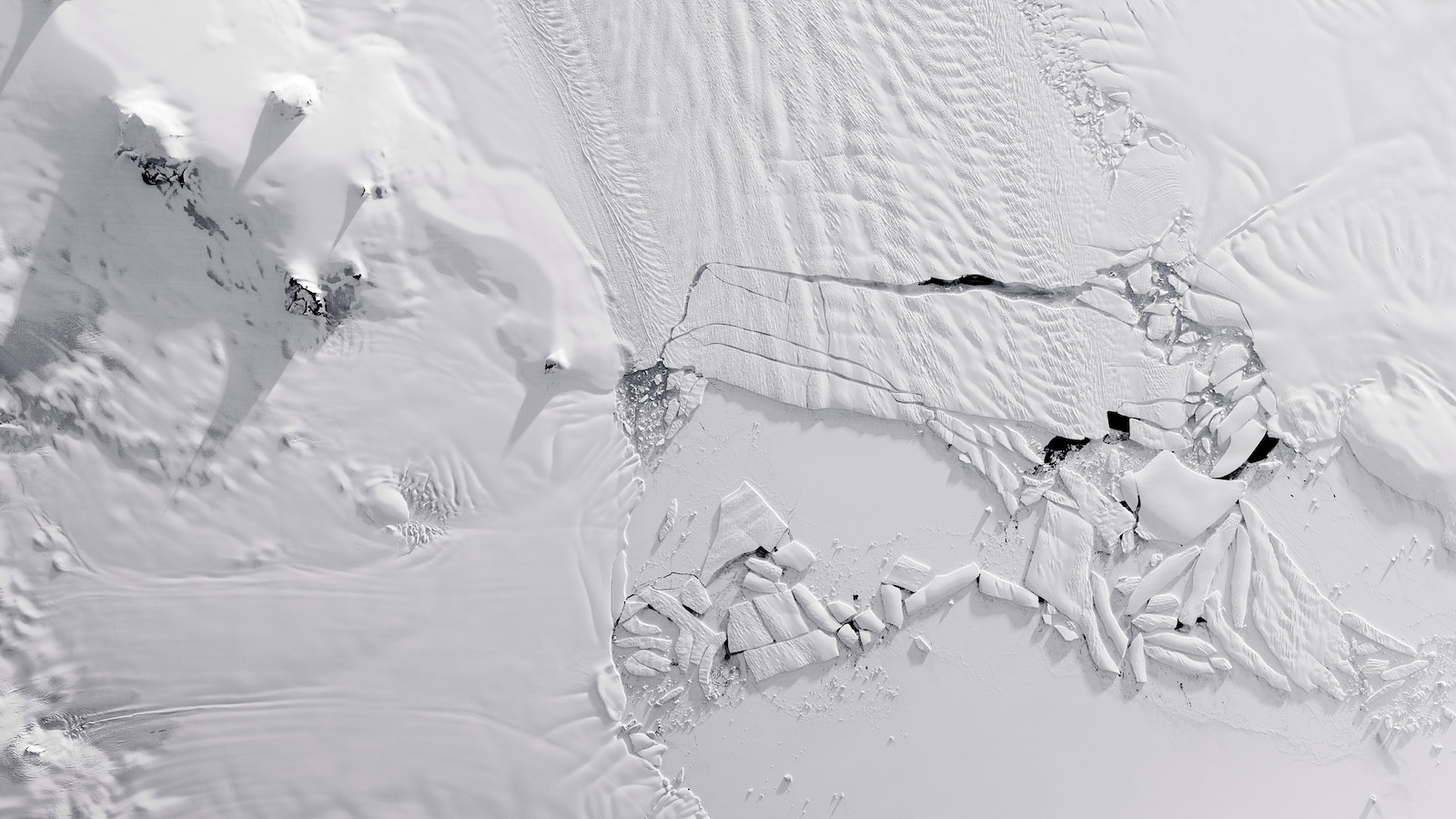
Scientists at the University of California, Irvine have uncovered troubling evidence about Antarctica’s rapidly changing landscape. Using satellite imagery spanning three decades, glaciologists have discovered that Antarctica has lost enough ice to blanket an area the size of Los Angeles ten times over. This staggering figure isn’t just an abstract number—it represents a fundamental shift in one of Earth’s most critical ice reserves. The research, published in the prestigious Proceedings of the National Academy of Sciences, provides the most comprehensive long-term analysis of Antarctic ice sheet stability to date. While there’s some relief in knowing that more than three-quarters of the continent remains stable, the remaining quarter tells a concerning story of rapid melting that has accelerated over the past thirty years. This groundbreaking study marks the first time scientists have been able to track the grounding line—the critical boundary where ice sheets lift off from bedrock and begin floating on ocean water—over such an extended period, giving us unprecedented insight into how Antarctica is responding to our changing climate.
The Critical Regions Experiencing Dramatic Ice Loss
The ice loss across Antarctica isn’t uniform, and understanding where the most significant changes are occurring helps scientists predict future impacts on global sea levels. West Antarctica, the Antarctic Peninsula, and certain sections of East Antarctica are experiencing the most dramatic retreat. Since 1996, nearly 5,000 square miles of grounded ice—ice that rests on bedrock rather than floating on water—have vanished from these regions. The satellite data paints a particularly concerning picture: approximately 23% of Antarctica’s ocean-reaching glaciers are undergoing rapid retreat. The Amundsen Sea region and the Getz section in West Antarctica have witnessed the most dramatic transformations, with some glaciers retreating up to 25 miles inland. Specific glaciers have become focal points for researchers: Pine Island Glacier has retreated more than 20 miles, the infamous Thwaites Glacier (nicknamed the “Doomsday Glacier”) has pulled back over 16 miles, and Smith Glacier has retreated an alarming 26 miles. These aren’t just numbers on a page—each mile of retreat represents massive volumes of ice shifting from stable ground into the ocean, where it contributes directly to rising sea levels.
The Ocean’s Hidden Role in Ice Sheet Destabilization
One of the most significant findings from this research relates to the mechanism driving much of Antarctica’s ice loss. Eric Rignot, a professor of earth system science at UC Irvine and the study’s lead author, explained that warm ocean water represents the primary culprit behind the dramatic ice sheet retreat in many regions. When winds push this warm water toward the glaciers, it creates what Rignot describes as “big wounds in Antarctica.” This warm water intrusion occurs beneath the ice sheets, melting them from below in a process that’s largely invisible from the surface but devastatingly effective at destabilizing these massive ice formations. This underwater melting explains most of the retreat patterns observed in Western Antarctica, where the vulnerable glaciers face direct exposure to these warming ocean currents. However, the mystery deepens when examining the Antarctic Peninsula, located on the continent’s northeast side, where significant grounding line migration is occurring without clear evidence of warm water intrusion. “Something else is acting—it’s still a question mark,” Rignot acknowledged, highlighting that despite decades of study, Antarctica still holds secrets that could be crucial to understanding its future behavior and our planet’s climate trajectory.
The Doomsday Glacier and West Antarctica’s Precarious Position
Among Antarctica’s many glaciers, Thwaites Glacier has earned its ominous “Doomsday Glacier” nickname for good reason. This massive ice formation already contributes to 4% of overall global sea level rise, a staggering proportion for a single glacier. Meanwhile, Pine Island Glacier holds the distinction of being Antarctica’s fastest-melting glacier, racing toward an uncertain future that concerns scientists worldwide. The real nightmare scenario that keeps glaciologists awake at night involves the potential complete collapse of the West Antarctica Ice Sheet. If this were to occur—and some scientists believe it’s not a question of if, but when—it could contribute up to 9 feet of sea level rise. To put this in perspective, a 9-foot rise would fundamentally reshape coastlines around the world, displacing hundreds of millions of people, submerging major cities, and creating the largest refugee crisis in human history. This isn’t science fiction or alarmist rhetoric; it’s a real possibility that researchers are tracking with increasing concern. The western shelf of Antarctica has become a particular focus of glaciological research precisely because of this catastrophic potential, with teams of scientists monitoring these glaciers with unprecedented attention to detail, searching for early warning signs of accelerating collapse.
Measuring the Ongoing Loss and Looking Ahead
The research team’s findings include a particularly sobering calculation: every three years, the vulnerable regions of Antarctica lose grounded ice equivalent to the area of Los Angeles. This steady, relentless loss represents a consistent drain on Antarctica’s ice reserves, like a bank account being steadily depleted with no deposits being made. The comprehensive mapping of the grounding line over three decades has established what researchers call the “gold standard” for documenting ice sheet stability, providing baseline data that future studies will build upon. While 77% of Antarctica’s coastline has shown no grounding line migration—meaning the ice sheets remain stable—the remaining areas are retreating from the grounding line at rates exceeding 170 square miles per year. This creates a complex picture where stability and catastrophic change exist side by side on the same continent. The long-term nature of this study is particularly valuable because it eliminates short-term fluctuations and reveals genuine trends, giving scientists confidence that what they’re observing represents fundamental changes rather than temporary variations in ice behavior.
A Mixed Message of Hope and Warning
Professor Rignot offered a perspective that balances concern with cautious relief, noting that while the current situation is serious, it could be far worse. “The flip side is that we should perhaps feel fortunate that all of Antarctica isn’t reacting right now, because we would be in far more trouble,” he explained. This statement acknowledges that the 77% of Antarctica showing stability represents a crucial buffer against even more catastrophic sea level rise. However, Rignot’s next comment carries an ominous warning: “But that could be the next step.” This suggests that the currently stable regions might not remain so indefinitely, particularly if global temperatures continue rising and ocean temperatures increase further. The research fundamentally changes our understanding of Antarctica from a static, frozen wilderness to a dynamic, responsive system that’s actively reacting to climate change. The unanswered questions, particularly regarding what’s driving ice loss in regions without apparent warm water intrusion, highlight how much we still need to learn about this critical continent. As satellite monitoring continues and technology improves, scientists will keep watching Antarctica’s ice sheets with vigilant attention, knowing that changes occurring on this remote continent will eventually impact coastlines and communities thousands of miles away. The message is clear: Antarctica is changing, parts of it are changing rapidly, and understanding these changes represents one of the most important scientific endeavors of our time, with implications that will echo through generations to come.