


NCAA Takes Legal Action Against DraftKings Over March Madness Trademark Dispute
The Heart of the Conflict
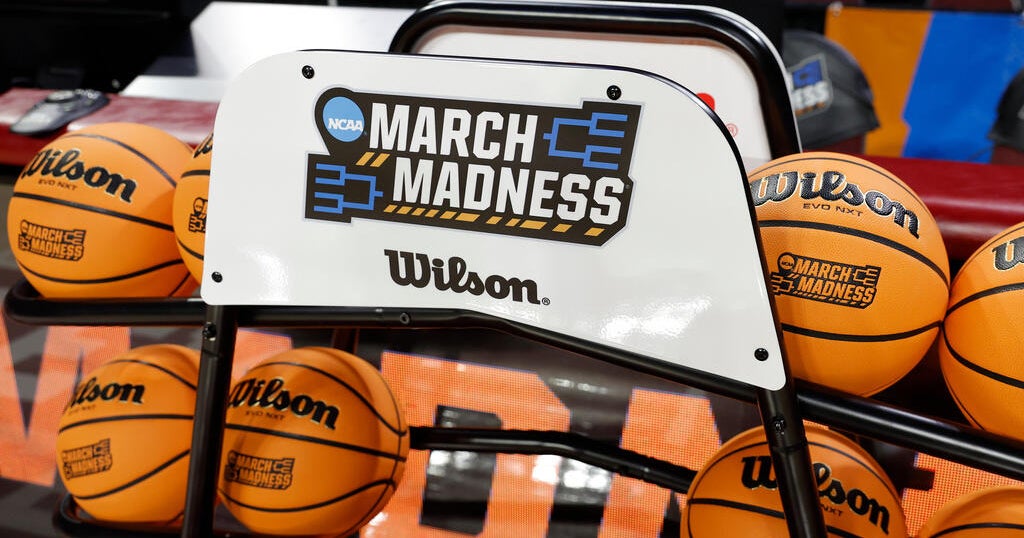
The National Collegiate Athletic Association has thrown down the gauntlet against one of America’s biggest online sportsbooks, filing a federal lawsuit that strikes at the intersection of college sports tradition and the booming sports betting industry. The NCAA is asking a federal court in Indiana to immediately stop DraftKings from using some of the most recognizable phrases in American sports – “March Madness,” “Final Four,” “Elite Eight,” and “Sweet Sixteen.” These aren’t just catchy terms; they’re registered trademarks that the NCAA argues represent decades of carefully built brand identity and consumer trust. The timing is particularly pointed, coming right as college basketball’s biggest tournaments capture the nation’s attention. The lawsuit paints a picture of DraftKings deliberately capitalizing on the excitement surrounding these tournaments, allegedly embedding NCAA’s cherished trademarks throughout their betting platforms, promotional materials, and marketing campaigns to create a misleading connection between the organization and the sportsbook’s gambling operations.
DraftKings Fights Back With First Amendment Defense
DraftKings isn’t backing down from this legal challenge, mounting a vigorous defense that invokes one of America’s most fundamental rights. The company insists it’s not engaging in trademark infringement at all, arguing instead that it’s simply using these terms descriptively – in plain text – to accurately identify which tournaments and games customers can bet on. According to DraftKings, this is no different from how they reference other tournaments like the NIT (National Invitation Tournament), and it’s a practice protected by the First Amendment’s guarantee of free speech. The company draws a clear line between using a term as a trademark (claiming ownership or suggesting endorsement) and using it as a fair descriptor of a sporting event that actually exists. From their perspective, they’re not trying to trick anyone into thinking the NCAA endorses their platform; they’re simply providing necessary information to customers who want to place bets on these widely watched games. DraftKings has expressed confidence that the courts will see things their way and deny the NCAA’s request for an emergency injunction, setting up what could become a significant legal precedent for how sports betting companies can reference sporting events.
The NCAA’s Deeper Concerns About Sports Betting
This lawsuit represents more than just a trademark dispute – it reveals the NCAA’s fundamental discomfort with the explosive growth of sports betting and its encroachment into college athletics. The organization has deliberately maintained a firewall between itself and gambling companies, consistently refusing sponsorship deals from sportsbooks even as professional sports leagues have embraced these lucrative partnerships. The NCAA has also implemented strict rules banning athletes and staff from sports betting and has been particularly vocal in opposing certain types of bets, like prop bets (wagers on specific player actions or statistics) and micro-bets (in-game betting on small moments). This stance isn’t arbitrary – it’s rooted in what the NCAA describes as “strongly held beliefs” that sports betting threatens the very foundations of college athletics: competitive integrity, student-athlete welfare, and fair play. The organization fears that gambling creates incentives for game manipulation and places undue pressure on young athletes who are still developing physically, mentally, and emotionally. The lawsuit explicitly mentions concerns about exposure to gambling platforms, particularly for college students and young adults who research shows are especially vulnerable to developing gambling problems.
The Human Cost: Harassment and Abuse of Student-Athletes
Perhaps the most compelling argument the NCAA makes has nothing to do with legal technicalities or trademark law – it’s about protecting young people from a disturbing wave of harassment tied directly to sports betting. NCAA President Charlie Baker recently appeared on CBS Mornings to discuss the real-world consequences of the betting boom on college campuses. He painted a troubling picture of student-athletes facing “thousands and thousands of really abusive information and messages” on social media and even in arenas during games. These aren’t just disappointed fans expressing frustration; this is what Baker calls “brutal” harassment driven by people who have lost money on bets and are taking out their anger on teenagers and young adults who are simply trying to play college sports. The abuse doesn’t stop with players either – coaches and officials also face this onslaught. Baker didn’t mince words, calling it “horrible behavior” that represents a disturbing side effect of making betting so accessible and widespread. The pressure on student-athletes is particularly intense when people are betting on their individual performances in prop bets, transforming every missed shot or turnover into a potential financial loss for someone who might then lash out online or in person.
The Legal Arguments and What’s at Stake
The NCAA’s complaint lays out a detailed case for trademark infringement, arguing that DraftKings’ use of these iconic terms creates “consumer confusion” and falsely suggests NCAA authorization or sponsorship of the gambling platform. The organization emphasizes that these trademarks aren’t just words – they represent carefully cultivated brands that have been built over decades through broadcasts, digital content, merchandise, sponsorships, and licensed products. According to the complaint, DraftKings deliberately chose “the precise moment of peak public attention” to prominently feature these marks across its platforms, effectively attempting to “usurp” the goodwill and recognition the NCAA has built. The lawsuit includes screenshots showing exactly how DraftKings incorporated these terms into betting menus and promotional graphics. The NCAA argues this isn’t accidental or incidental usage – it’s a calculated strategy to leverage the association’s reputation and the public’s trust in the NCAA brand to drive gambling activity. The request for an emergency restraining order underscores the urgency the NCAA feels, as every day these tournaments continue represents millions of exposures to what they view as a misleading association between their educational mission and commercial gambling interests.
Broader Implications for Sports, Betting, and American Culture
This legal battle between the NCAA and DraftKings represents a fascinating collision between traditional sports institutions and the rapidly evolving gambling industry that has exploded following the Supreme Court’s 2018 decision allowing states to legalize sports betting. While professional leagues like the NBA, NFL, and MLB have welcomed sportsbooks as partners and revenue sources, the NCAA finds itself in a uniquely difficult position. College athletes aren’t professionals – they’re students, many still teenagers, participating in what the NCAA maintains should be primarily educational and character-building experiences. The case raises fundamental questions about how we balance commercial free speech rights with trademark protections, how we protect vulnerable young people in an increasingly betting-saturated sports culture, and whether there should be different standards for college sports versus professional leagues. The outcome could influence how betting companies market around college sports, whether descriptive use of event names constitutes infringement, and ultimately how much control sports organizations have over their brands when betting is involved. As sports betting becomes increasingly normalized in American culture, this case may help define the boundaries between legitimate business practices and exploitation of established brands, with implications reaching far beyond basketball tournaments into the broader relationship between sports, commerce, and the protection of young athletes trying to compete without becoming targets of gambling-related abuse.