

Deadly Explosion Rocks Iranian Port City Amid Rising Tensions
Tragedy Strikes on the Eve of Military Exercises
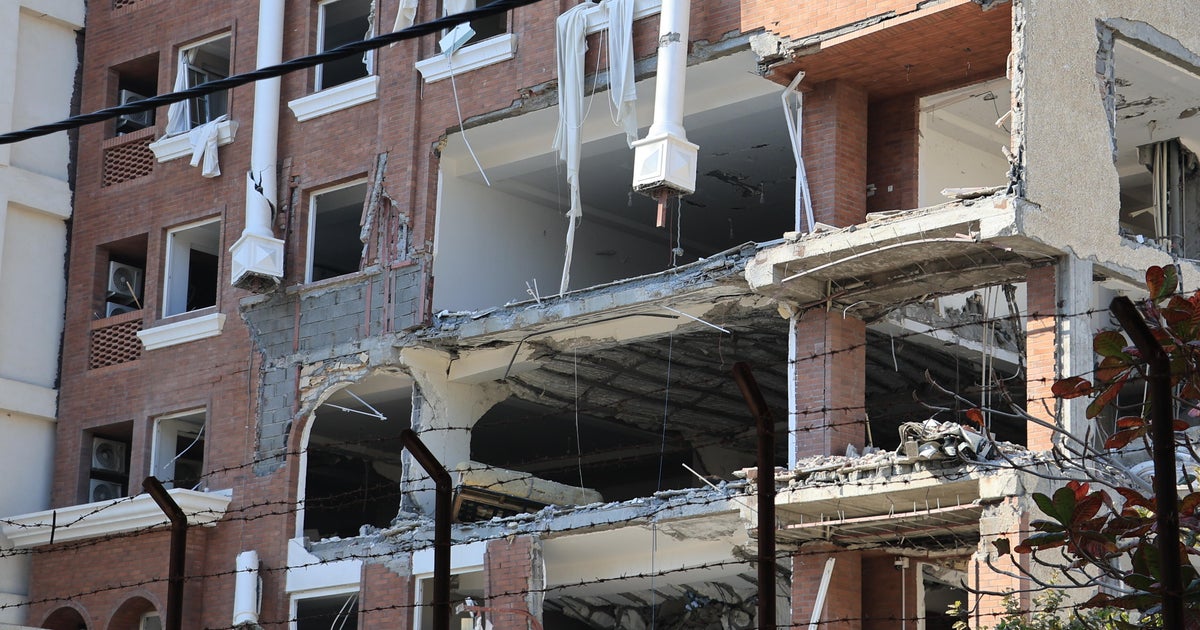
In a devastating incident that has raised questions and concerns across the international community, a powerful explosion ripped through a residential apartment building in Bandar Abbas, a strategically important Iranian port city located directly on the Strait of Hormuz. The blast, which occurred on a Saturday just one day before Iran’s scheduled naval military exercises in these critical waters, claimed the life of an innocent 4-year-old girl and left at least fourteen other people injured, some seriously. Local media footage from the scene painted a grim picture of the aftermath, showing rescue workers frantically searching through the rubble and debris. Among those captured on camera being evacuated from the destroyed building was what appeared to be a member of Iran’s security forces, strapped to a stretcher and clearly in distress. The timing of this explosion, coming just hours before a major show of military force in one of the world’s most strategically vital waterways, has led to widespread speculation about what really happened in that apartment building, despite official Iranian explanations attributing the disaster to a simple gas leak.
The Strategic Significance of Location and Timing
The location and timing of this explosion cannot be overlooked when examining the broader context of regional tensions. Bandar Abbas isn’t just any Iranian city—it’s a crucial naval port that sits directly on the Strait of Hormuz, the narrow passageway through which approximately twenty percent of all globally traded oil must pass to reach international markets. This makes the strait one of the most economically and strategically important chokepoints in the entire world. Iran had publicly announced plans to conduct naval drills in these very waters on Sunday and Monday following the explosion, a move that had already attracted stern warnings from the United States military. American officials had made it clear that any threats to U.S. warships or commercial shipping vessels passing through the strait would not be tolerated. In this already tense atmosphere, an explosion in the city that serves as Iran’s primary naval base on the strait inevitably raises questions about whether this was truly an accident or something more sinister, despite the official explanation from Iranian state television that cited a local fire official blaming the blast on a gas leak.
Conflicting Accounts and Mysterious Circumstances
What makes this incident particularly intriguing—and suspicious to outside observers—are the conflicting accounts and curious omissions in the Iranian media coverage of the explosion. A local newspaper called Sobh-e Sahel broadcast footage showing their correspondent reporting from directly in front of the damaged building. Within that same footage, viewers could clearly see a man dressed in the distinctive green uniform of Iran’s security forces being carried out on a stretcher by rescue workers. The injured man was wearing a neck brace and appeared to be in considerable pain, with his left hand notably positioned over the branch insignia on his uniform, seemingly attempting to conceal his specific unit affiliation. Despite this footage being aired, the newspaper made no mention whatsoever of the security force member in any of their written reporting about the incident. Even more telling was the response from Iran’s powerful paramilitary Revolutionary Guard, an organization that wields enormous influence in Iranian military and political affairs. The Guard refused to discuss the explosion in any detail, offering only a terse denial that any Guard navy commander had been injured in the blast—a strangely specific denial that nobody had actually asked for, leading many to wonder what they might be trying to hide.
A Nation Under Pressure From Multiple Directions
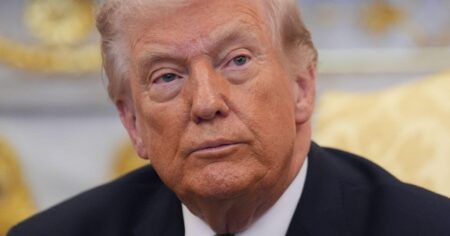
The explosion in Bandar Abbas wasn’t even the only deadly blast to strike Iran that same day, adding to a sense of crisis within the country. State media reported that another explosion, also officially blamed on a gas leak, occurred in the southwestern city of Ahvaz, killing five people. These incidents come at a particularly sensitive time for Iran, as the nation finds itself under intense international pressure on multiple fronts. President Trump had recently issued stark threats about the possibility of launching military strikes against Iran over two specific issues that have drawn international condemnation: the killing of peaceful protesters by security forces and the potential mass execution of individuals who were detained during a major government crackdown on demonstrations that swept across the country. Speaking to CBS News on Thursday evening while attending the premiere of “Melania,” a documentary about First Lady Melania Trump’s experiences following her husband’s 2024 election victory, President Trump revealed that he had been in direct communication with Iranian officials in recent days and planned to continue those conversations. He stated clearly what he had told the Iranian government: “No. 1, no nuclear. And No. 2, stop killing protesters. They’re killing them by the thousands.” These conversations were happening even as the U.S. was demonstrating its military might in the region.
Military Buildup and Diplomatic Efforts Proceed Simultaneously
The diplomatic communications between Washington and Tehran were unfolding against a backdrop of significant American military movement in the region. By Friday, at least ten U.S. warships—including an aircraft carrier and no fewer than five destroyers—were sailing toward Iranian coastal waters in a massive show of force designed to underscore American resolve. President Trump acknowledged this military buildup in his Thursday conversation with CBS News, saying, “We have a lot of very big, very powerful ships sailing to Iran right now,” before adding hopefully, “And it would be great if we didn’t have to use them.” Despite the threatening posture, there were signs that both sides might be seeking an off-ramp from direct confrontation. Ali Larijani, one of Iran’s most senior security officials, posted on the social media platform X late Saturday that “structural arrangements for negotiations are progressing,” a carefully worded statement that suggested talks were continuing despite the tensions. CBS News sought additional clarification from the White House about the nature and extent of any ongoing direct negotiations between the Trump administration and Tehran, but the details remained murky, as is often the case with sensitive diplomatic communications between adversarial nations.
Regional Powers Work to Prevent Escalation
Recognizing the potentially catastrophic consequences of a military confrontation between the United States and Iran, several regional powers stepped forward to offer their services as mediators and to advocate for de-escalation. Egyptian President Abdel-Fattah el-Sissi placed a phone call to Iranian President Masoud Pezeshkian on Saturday, using the conversation to call for reduced tensions and to inform his Iranian counterpart that Egypt was actively working to bring the United States and Iran to the negotiating table. According to an official statement released by the Egyptian government, President el-Sissi’s goal was to achieve a “peaceful and comprehensive settlement to the Iranian nuclear file,” the issue that has bedeviled international relations with Iran for decades. Not to be outdone, Qatar also inserted itself into the diplomatic process, with Prime Minister Sheikh Mohammed bin Abdulrahman Al Thani personally traveling to Tehran on Saturday for face-to-face meetings with Ali Larijani and other Iranian officials. According to a statement released by the Qatari government, these discussions focused specifically on “efforts to de-escalate tensions in the region.” As these diplomatic efforts continued and military forces positioned themselves for potential conflict, the people of Bandar Abbas were left to mourn a 4-year-old child and wonder whether the explosion that took her life was really just a tragic accident, or perhaps something that signals even more dangerous days ahead.