

Secretary Noem’s Purse Stolen from Washington DC Restaurant Containing $3,000 Cash
A High-Profile Theft in the Nation’s Capital
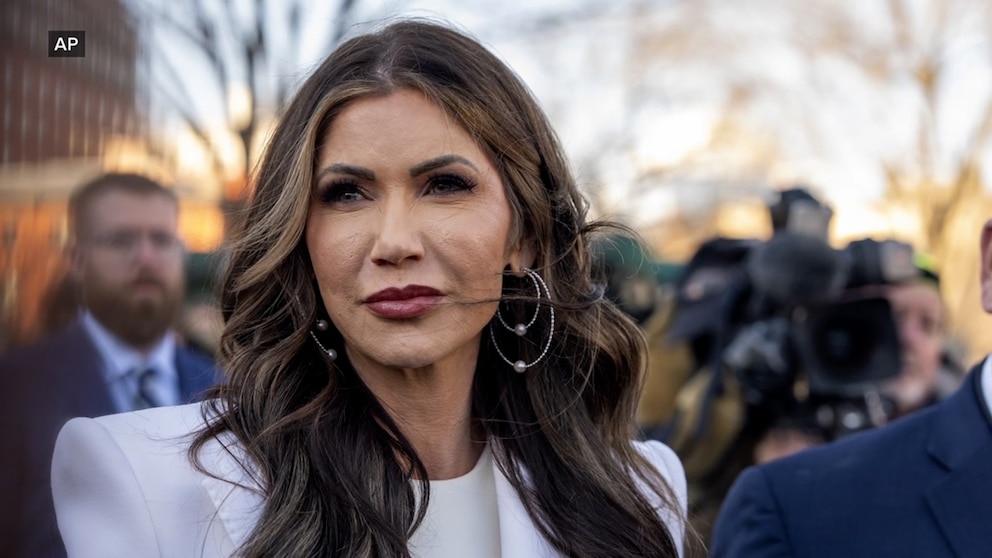
In an incident that highlights how crime can affect anyone regardless of their position, Homeland Security Secretary Kristi Noem became the victim of a purse snatching at a Washington DC restaurant. The theft, which occurred while she was dining in the nation’s capital, resulted in the loss of her personal belongings including a significant amount of cash—reportedly around $3,000—along with other valuable items. This incident has drawn considerable attention not only because of Noem’s prominent position in the federal government but also because it underscores ongoing concerns about public safety in Washington DC, a city that has grappled with rising crime rates in recent years.
The theft happened quickly, as these crimes typically do, with someone managing to grab the Secretary’s purse while she was at the restaurant. Law enforcement officials were immediately notified, and an investigation was launched to identify and apprehend the suspect. While purse snatchings and petty thefts are unfortunately common occurrences in major cities across America, this particular incident gained widespread media coverage due to the victim’s high-profile status as a member of the President’s cabinet. The irony of the situation wasn’t lost on observers—the person responsible for overseeing the nation’s security apparatus, including agencies tasked with protecting Americans, became a victim of street crime herself.
Questions About the Cash and Security Protocols
One of the most talked-about aspects of this incident has been the unusual amount of cash Secretary Noem was reportedly carrying. In an era where most people rely heavily on credit cards, debit cards, and digital payment methods, carrying $3,000 in cash raises questions about why such a substantial sum was in her purse. While there could be perfectly legitimate reasons for carrying this amount—perhaps she was planning to make a purchase where cash was preferred, or she simply prefers to have cash on hand for various purposes—it’s certainly more than what most Americans typically carry on a daily basis.
The incident has also prompted discussions about security protocols for high-ranking government officials. As the Secretary of Homeland Security, Noem is entitled to security protection, including Secret Service details in certain circumstances. However, cabinet members don’t always travel with full security details during their personal time or informal outings, especially when they’re in seemingly safe environments like restaurants. This incident may lead to a review of security procedures to determine whether additional precautions should be taken even during casual dining experiences. The balance between allowing officials some semblance of normal life and ensuring their safety and the security of sensitive materials they might be carrying is a delicate one that agencies constantly navigate.
The Broader Context of DC Crime
This theft occurs against a backdrop of ongoing concerns about crime in Washington DC. Like many American cities, the nation’s capital has experienced fluctuations in crime rates, with certain types of offenses seeing increases in recent years. Property crimes, including theft and robbery, have been particular areas of concern for residents, business owners, and visitors alike. The city’s unique status as both a working metropolis for hundreds of thousands of residents and a major tourist destination creates particular challenges for law enforcement.
Washington DC’s crime issues have become increasingly politicized, with debates about policing strategies, prosecution policies, and resource allocation dominating local and national conversations. Critics of the city’s leadership often point to crime statistics as evidence of failed policies, while defenders note the complex social and economic factors that contribute to criminal behavior. Secretary Noem’s experience as a crime victim, while unfortunate, adds a personal dimension to these policy debates. As someone responsible for aspects of national security and border enforcement, her firsthand experience with local crime may influence her perspective on urban safety issues, though her jurisdiction primarily focuses on federal rather than local law enforcement matters.
Public Reaction and Political Implications
The public response to news of the theft has been mixed, reflecting the polarized nature of contemporary American politics. Supporters of Secretary Noem have expressed sympathy and used the incident to highlight concerns about urban crime and the need for stronger law enforcement measures. Some have pointed to the incident as an example of the failures of Democratic leadership in cities like Washington DC, connecting local crime issues to broader political narratives about public safety and governance.
Critics and political opponents, meanwhile, have raised questions about the Secretary’s judgment in carrying such a large amount of cash and whether proper security protocols were followed. Some have used the incident to question her fitness for the role of Homeland Security Secretary, arguing that someone responsible for national security should demonstrate better personal security awareness. Others have focused on the cash amount itself, speculating about why she would need such a sum and whether it raises any ethical questions, though there’s no evidence of any wrongdoing on her part.
Beyond the political reactions, the incident has resonated with many ordinary Americans who have themselves been victims of theft or other crimes. For these individuals, Secretary Noem’s experience serves as a reminder that crime is an equal-opportunity problem that can affect anyone, regardless of their wealth, position, or status. This shared vulnerability has generated some empathy across political lines, with people acknowledging that being a victim of theft is a frustrating and violating experience for anyone who goes through it.
Investigation and Recovery Efforts
Following the theft, law enforcement agencies have been working to identify the perpetrator and recover Secretary Noem’s belongings. In today’s urban environments, investigators have multiple tools at their disposal, including surveillance camera footage from the restaurant and surrounding businesses, witness statements, and forensic evidence that might have been left at the scene. Washington DC, like most major cities, has an extensive network of security cameras that often prove invaluable in solving crimes and identifying suspects.
The investigation into this particular theft likely received priority attention given the victim’s prominent position, though law enforcement officials would understandably want to avoid any appearance of providing preferential treatment. Recovering the cash itself may prove difficult even if the suspect is apprehended, as cash is easily spent and difficult to trace. However, other items in the purse—such as identification cards, credit cards, and any government credentials—would be of significant concern both for Secretary Noem personally and for security officials who must ensure that no sensitive materials or access credentials fall into the wrong hands.
The outcome of this investigation may have implications beyond just this single case. If the suspect is identified and caught, it could provide a sense of justice for Secretary Noem and serve as a deterrent to would-be thieves. Conversely, if the case goes unsolved, it might reinforce perceptions about the challenges of addressing property crime in urban areas. Regardless of the investigation’s outcome, the incident has already served as a high-profile reminder of the persistent problem of theft in American cities and the work that remains to be done to make public spaces safer for everyone, from ordinary citizens to high-ranking government officials.