


Iran Faces Ultimatum: Citizens Called to Shield Power Plants as Trump Deadline Looms
A Nation Bracing for Impact
As tensions between the United States and Iran reach a boiling point, the Islamic Republic finds itself in an unprecedented predicament. With President Trump’s deadline rapidly approaching, Iranian officials have taken the extraordinary step of calling upon their citizens—particularly young people—to literally put their bodies on the line. The request for Iranians to form human chains around critical infrastructure represents a desperate appeal that underscores just how serious the current crisis has become. At the heart of this confrontation lies the Strait of Hormuz, one of the world’s most strategically important waterways, and America’s demand that Iran immediately reopen it to all commercial shipping traffic.
The gravity of the situation cannot be overstated. President Trump has issued what amounts to an ultimatum with catastrophic implications: Iran must fully reopen the Strait of Hormuz by 8 p.m. Eastern Time, or face American military strikes targeting the nation’s power plants and bridges. This narrow waterway, which connects the Persian Gulf to the Gulf of Oman and the Arabian Sea beyond, serves as the transit route for approximately one-fifth of the world’s crude oil supply. Its closure or restriction doesn’t just affect regional politics—it sends shockwaves through global energy markets and economies worldwide. The strait’s strategic importance has made it a recurring flashpoint in Middle Eastern tensions for decades, but rarely have the stakes felt quite this high or the threatened response quite this severe.
The Call to Defend the Nation’s Lifelines
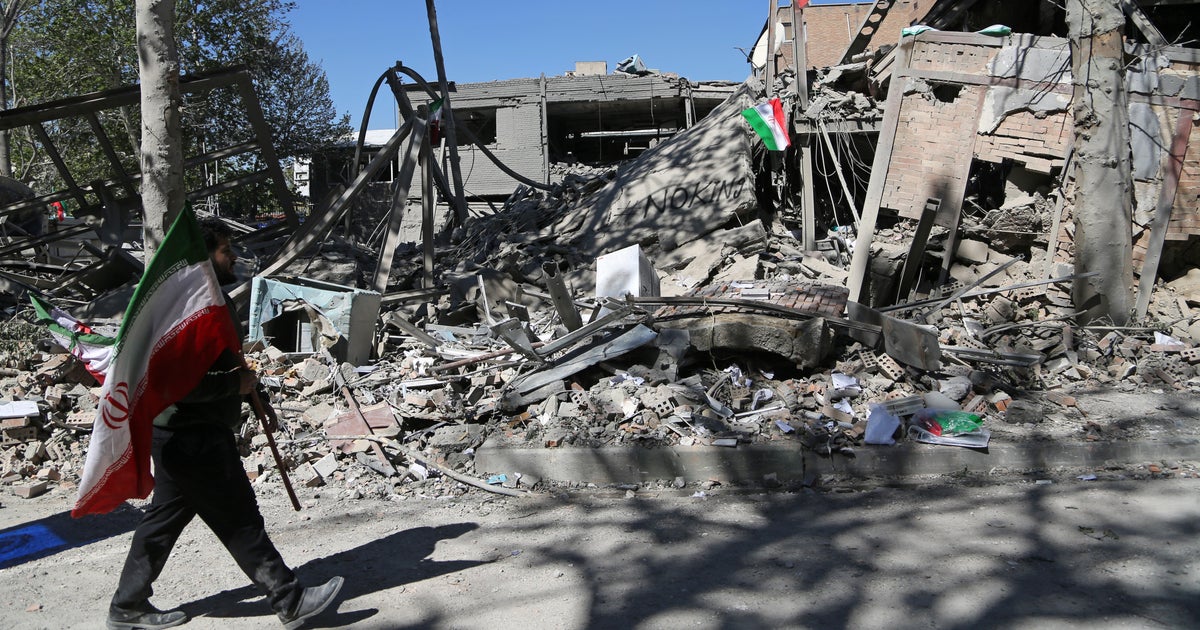
Through state media channels, Iranian government officials have issued an urgent appeal that reveals both patriotic fervor and genuine concern about what the coming hours might bring. Alireza Rahimi, speaking in his capacity as secretary of the Supreme Council of Youth and Adolescents, delivered a video address broadcast on Iranian state television that specifically targeted the nation’s younger generation. His message was clear and direct: “all young people, athletes, artists, students and university students and their professors” should prepare to form human chains around the country’s power generation facilities. This isn’t merely symbolic posturing—these human shields would ostensibly serve as a deterrent to American strikes, banking on the hope that U.S. military planners would hesitate before attacking facilities ringed by civilians.
Rahimi’s appeal emphasized that these power plants represent more than just infrastructure—they are “national assets and capital” that transcend any individual political viewpoint or preference. In his address, he framed the protection of these facilities as a duty to future generations of Iranians, appealing to a sense of collective responsibility that rises above the partisan divisions that exist even within the Islamic Republic. “These belong to the future of Iran and to the Iranian youth,” he stressed, attempting to unite citizens of various political persuasions around a common cause: protecting the physical infrastructure that keeps the nation functioning. It’s a message designed to cut through political differences and appeal to basic national pride and survival instinct.
A History of Human Shields and National Mobilization
For those familiar with Iran’s recent history, this call to form human chains around critical facilities isn’t entirely without precedent. During previous periods of heightened tension with Western nations—particularly concerning Iran’s controversial nuclear program—the regime has successfully mobilized citizens to surround nuclear facilities as a form of protest and protection. These demonstrations of public support serve multiple purposes for the Iranian government: they provide a tangible (if perhaps ultimately ineffective) deterrent to military strikes, they demonstrate to the international community that the Iranian people stand behind their government’s policies, and they help maintain domestic morale and unity during times of external threat. The tactic reflects a particular approach to asymmetric warfare, where a nation with less conventional military power than its adversary seeks alternative means of deterrence and defense.
The effectiveness of such human shields in actually preventing military action remains debatable from a strategic standpoint, but their psychological and political impact is undeniable. For the Iranian government, these public displays help maintain the narrative that the nation faces external aggression from hostile powers, rallying citizens around the flag during times of crisis. For the international community and potential adversaries, the images of civilians voluntarily placing themselves in harm’s way complicates the moral calculus of military intervention and potentially influences public opinion in other countries. Whether American military planners would actually alter targeting decisions based on civilian presence is uncertain, but the Iranian government appears to be betting that the optics alone might give pause or at least increase the reputational cost of any strike.
Presidential Declaration: Millions Ready to Sacrifice
Adding another layer to this unfolding drama, Iranian President Masoud Pezeshkian made a stunning announcement on social media platform X (formerly Twitter). He declared that 14 million Iranians—a figure that includes himself—”have declared their readiness to sacrifice their lives” in defense of their country should the conflict escalate to that point. This extraordinary statement came on the same day as the youth minister’s call for human chains, though it wasn’t explicitly presented as a direct reference to that specific appeal. The president’s figure of 14 million potential martyrs represents a doubling of numbers that state media had previously reported in response to text messages and other communications soliciting volunteers for Iran’s war effort.
Whether taken as literal fact or patriotic rhetoric, Pezeshkian’s statement serves important domestic and international purposes. Domestically, it projects strength, unity, and resolve in the face of foreign threats—qualities that help maintain public morale and governmental legitimacy during times of crisis. The president positioning himself among those willing to make the ultimate sacrifice for the nation sends a powerful message about shared burden and leadership by example. Internationally, such declarations are meant to signal to adversaries that Iran won’t be easily intimidated or quickly defeated, that any military action would face not just the country’s armed forces but a mobilized, passionate population willing to engage in asymmetric resistance. Whether 14 million Iranians have genuinely volunteered for potential martyrdom or whether this figure represents aspirational propaganda is impossible to verify independently, but the political message it sends is clear regardless of its literal accuracy.
The World Watches and Waits
As the deadline approaches, the international community watches with a mixture of concern, anticipation, and uncertainty. The Strait of Hormuz situation represents more than a bilateral dispute between the United States and Iran—it’s a crisis with genuinely global implications. Energy markets have already responded to the uncertainty with volatility, as traders and analysts try to price in the risk of prolonged closure of this critical shipping lane or the potential for wider military conflict in the region. Allied nations of both parties are undoubtedly working diplomatic channels behind the scenes, trying to find some face-saving compromise that could de-escalate the situation before the deadline expires and events take on a dangerous momentum of their own.
For ordinary Iranians, particularly the young people being called upon to physically shield power infrastructure, the coming hours must feel surreal and frightening. The prospect of American military strikes isn’t abstract or distant—it’s an immediate threat to their homes, their communities, and potentially their lives. Whether sufficient numbers will actually heed the government’s call to form human chains remains to be seen, but the fact that such an appeal was deemed necessary speaks volumes about how seriously Iranian leadership is taking President Trump’s threat. As the clock ticks down toward the 8 p.m. Eastern deadline, millions of people across Iran and around the world are left wondering whether diplomacy will prevail at the eleventh hour or whether the world is about to witness another devastating military confrontation in the Middle East, with all the humanitarian suffering and geopolitical chaos such a conflict would inevitably unleash.