


TSA Staffing Crisis: Airport Security Lines Strained as Officers Return Following Partial Government Shutdown
Relief Begins as Back Pay Reaches Workers, But Challenges Persist
After weeks of financial hardship and growing absenteeism, Transportation Security Administration officers are finally seeing some relief as back pay from the 45-day partial government shutdown begins hitting their bank accounts. The crisis, which left approximately 50,000 TSA officers working without compensation, created unprecedented disruptions at airports nationwide and forced more than 510 officers to resign from their positions entirely. While Monday brought signs of stabilization with checkpoints reopening and wait times improving, the situation remains precarious as airports continue to grapple with staffing shortages that exceed normal operational levels by significant margins.
President Trump’s executive order directing the Department of Homeland Security secretary to pay TSA workers during the shutdown came after Congress failed to reach a funding agreement for DHS before lawmakers departed for a two-week recess. This intervention provided a lifeline to security officers who had been stretching their finances to the breaking point, with many unable to afford basic necessities like gas money to commute to work. The nationwide call-out rate, while declining from its peak of 12.4% on March 27 to 10.6% by Sunday, still remains dramatically elevated compared to typical levels that hover around 2%. This persistent strain on airport screening operations underscores the longer-term damage caused by the shutdown and raises questions about workforce retention and morale going forward.
Major Airports Face Critical Shortage Rates
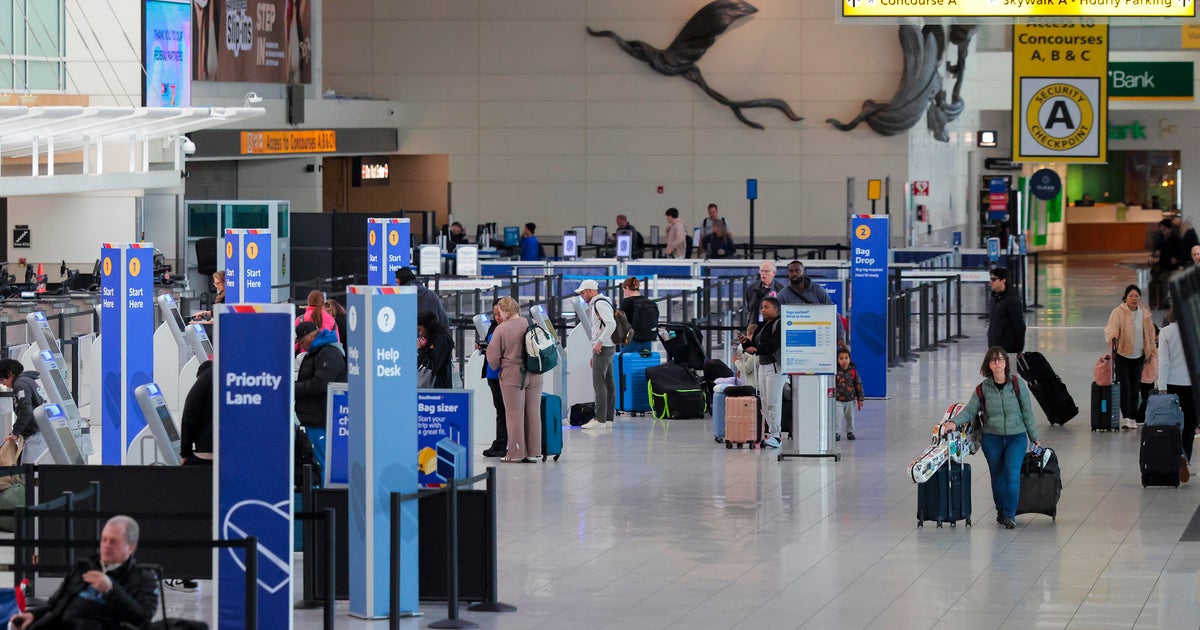
The staffing crisis has hit major transportation hubs particularly hard, with some airports experiencing absence rates that would be unthinkable under normal circumstances. Baltimore/Washington International Airport reported a staggering 38.5% call-out rate, meaning more than one in three TSA officers scheduled to work were absent from their posts. Houston’s George Bush Intercontinental Airport wasn’t far behind at 36.4%, while the city’s William P. Hobby Airport saw a 34.1% absence rate. These numbers paint a picture of a system under extraordinary stress, where the remaining officers have been forced to shoulder dramatically increased workloads to keep security checkpoints operating.
The problem extends beyond these most severely affected airports. New Orleans and Atlanta each reported rates exceeding 33%, while major Northeast transportation hubs including John F. Kennedy International, LaGuardia, and Philadelphia airports all experienced absence rates near or above 20%. These figures represent not just inconvenience for travelers but a genuine security concern, as rushed screening processes and overworked officers could potentially compromise the thorough security measures that have become standard since 9/11. In response to the crisis, Immigration and Customs Enforcement agents were deployed to assist TSA at BWI Airport and other locations over the weekend, providing temporary relief while regular officers begin returning to their posts.
Personal Stories Reveal Financial Devastation
The human impact of the shutdown becomes clear through stories like that of Pasqual Contreras, a TSA officer and union official working at Phoenix Sky Harbor Airport. Last week, Contreras found himself unable to afford gas for his two-hour round-trip daily commute, a situation that would have been unimaginable before the shutdown. “Now that I received the deposit, the cars are all gassed up and I’m ready to go,” Contreras told CBS News on Monday, expressing relief at finally being able to return to work. However, his comments also revealed the precarious financial position many TSA officers find themselves in even after receiving partial back pay.
“It pays the rent, it pays March, but as we can all see, we’re in April already. So it doesn’t go far,” Contreras explained, highlighting how the payment covered only past obligations while leaving workers vulnerable to future financial stress. “It’s enough to maybe not continue staying in the red, but not by much.” His situation reflects the reality for thousands of federal workers who live paycheck to paycheck, unable to build substantial emergency savings on government salaries that often lag behind private sector compensation for comparable work. The shutdown didn’t just create a temporary inconvenience; it pushed many workers into debt, damaged credit scores, and created financial holes that a single paycheck cannot fully repair.
Payment Details and Ongoing Uncertainties
According to a notice obtained by CBS News, TSA workers have received pay covering 160 hours for the period from February 22 to March 21. However, significant gaps remain in their compensation. Workers are still missing pay for February 14-21, and uncertainty surrounds whether they’ve been paid for overtime hours worked during the shutdown—a particularly concerning issue given that many officers logged extra hours to cover for absent colleagues. Historical precedent suggests resolution may take time; after last fall’s government shutdown, it required several pay periods to fully sort out all missed pay issues, leaving workers in financial limbo even after the immediate crisis appeared resolved.
The Department of Homeland Security indicated that some paychecks began depositing in workers’ accounts as early as Monday, with other workers expected to receive payments on Tuesday. The department’s stated goal was to have most workers paid by close of business Tuesday, with an outside deadline of Wednesday, April 1—a date chosen because it’s when many bills typically come due. The staggered payment timing doesn’t reflect differences in how employees were prioritized but rather variations in banking practices. While DHS transmitted all payments on the same schedule, some financial institutions release funds immediately upon receiving notice of an incoming deposit, while others wait until the official settlement date, creating frustration for workers anxiously awaiting their money.
Broader Implications for Department of Homeland Security
While TSA officers are finally seeing relief, President Trump’s executive order specifically covers only these airport security personnel. The order leaves tens of thousands of other DHS workers continuing to work without pay, including employees of the Coast Guard, Federal Emergency Management Agency (FEMA), and the Cybersecurity and Infrastructure Security Agency (CISA). This selective approach to addressing the shutdown’s impact raises questions about equity and the administration’s priorities. ICE agents have continued receiving regular paychecks because Congress provided funding for them in last year’s One Big Beautiful Bill Act, creating a two-tiered system within the same department where some employees face financial hardship while others maintain stable income.
White House border czar Tom Homan told CBS News “Face the Nation with Margaret Brennan” that ICE officers deployed to assist at airports would remain in place until the facilities “feel like they’re 100%.” This stopgap measure addresses immediate operational needs but doesn’t solve the underlying problems that led to the crisis. CBS News has requested additional details from DHS regarding which appropriations or funding mechanisms are being used to cover the TSA payments and how long the department can sustain these payments without congressional action. The answers to these questions will determine whether the current relief represents a temporary reprieve or a sustainable solution. As airports work to restore normal operations and TSA officers return to their posts, the longer-term challenge remains: rebuilding workforce morale, replacing the more than 510 officers who resigned during the shutdown, and ensuring that critical security personnel never again face such devastating financial uncertainty while protecting the nation’s transportation infrastructure.